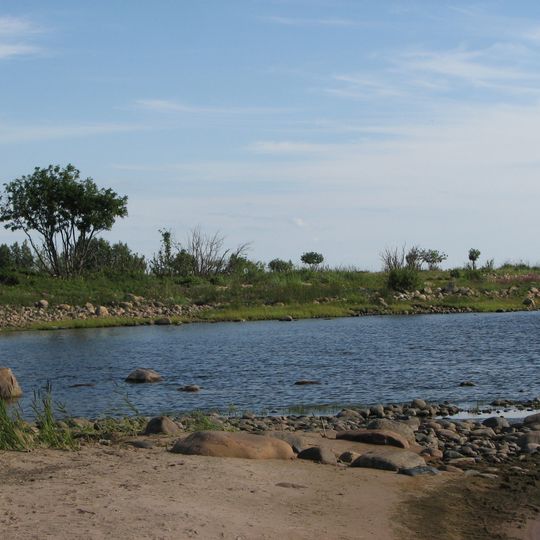
Haparanda Archipelago National Park, National park in Norrbotten County, Sweden
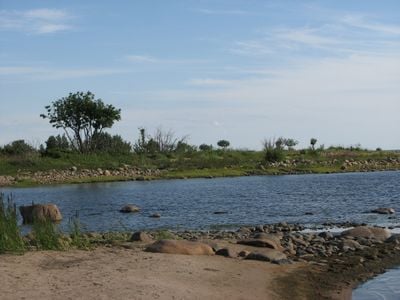
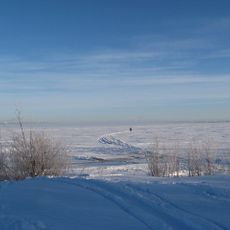
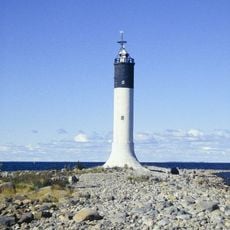
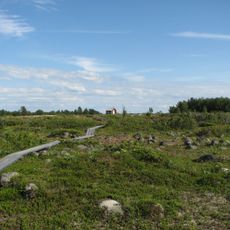
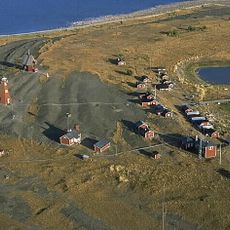
Haparanda Archipelago National Park spreads across around 60 square kilometers of multiple islands in the Baltic Sea, with Sandskär and Seskar Furö representing its largest areas. The landscape features rocky shores, shallow coastal zones, and forests that vary between the different islands.
The archipelago emerged roughly 1,500 years ago through post-glacial rebound, as melting ice allowed the land to rise from the sea floor. This geological process continues to shape the islands and their ongoing transformation.
Fishing families have cast their nets in these waters for generations, shaping a way of life tied closely to the sea and its resources. This maritime heritage remains visible in how locals interact with the islands and their surrounding waters.
Reaching the islands requires careful boat handling through shallow waters, so visitors should either hire an experienced guide or have solid navigation knowledge. Bring your own food and water since facilities on the islands are minimal and services are sparse.
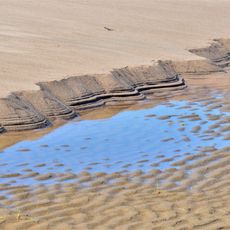
The ground beneath these islands rises roughly 8 millimeters each year, constantly creating new shorelines and expanding the landmass. This rare and ongoing geological shift is something visitors can literally witness happening under their feet.
The community of curious travelers
AroundUs brings together thousands of curated places, local tips, and hidden gems, enriched daily by 60,000 contributors worldwide.