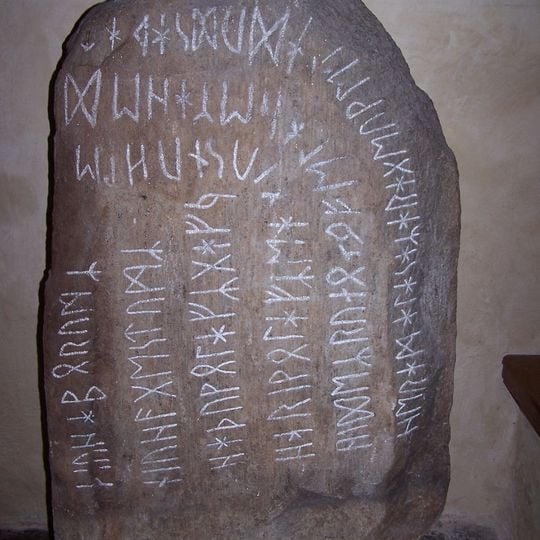
Stentoften Runestone, Norse runestone in Sölvesborg Municipality, Sweden
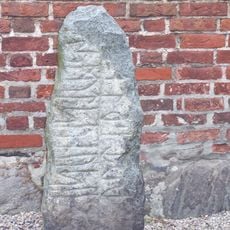
The Stentoften Runestone displays inscriptions carved in a transitional runic alphabet between the Elder Futhark and Younger Futhark systems. The stone contains Proto-Norse text with ideographic runes representing concepts like harvest or abundance.
Discovered in 1823 by O. Hammer, the stone was found lying face down with its inscriptions hidden beneath five large stones arranged in a pentagon. It was moved to Sölvesborg church in 1864 to ensure its protection.
The inscription contains Proto-Norse text, with the name Hariwulfa combining elements meaning warrior and wolf to reflect naming customs of Norse leaders. Such names conveyed strength and fierce qualities valued in that time.
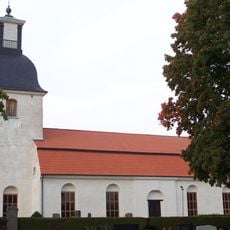
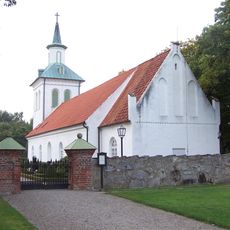
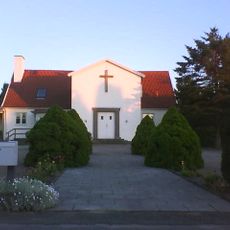
The stone is now housed at Sölvesborg church, where it has been kept since its relocation in the 1800s. Plan your visit during the church's opening hours to view the stone and examine its carved inscriptions properly.
The stone features ideographic runes representing concepts such as harvest or a bountiful year, making it one of the few examples with this particular characteristic. These special symbols offer insight into how Norse people expressed meaningful ideas through their runic system.
The community of curious travelers
AroundUs brings together thousands of curated places, local tips, and hidden gems, enriched daily by 60,000 contributors worldwide.