Gummarp Runestone, Norse runestone in Sölvesborg Municipality, Sweden
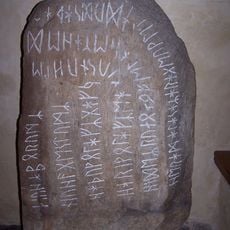
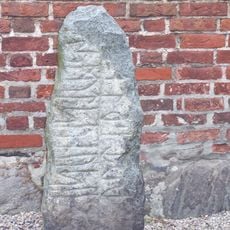
The Gummarp Runestone is an ancient monument from the early Norse period, carved with runic inscriptions that include a personal name and repeated symbols. The stone originally stood in the Blekinge region before being removed from its location.
The stone dates to the early centuries after Christ and stands as a record from the Norse world of that era. It was discovered in 1728 but later vanished from the public eye after being transported to Copenhagen.
The stone commemorates someone important in the local Norse community, reflecting how people valued and remembered individuals in their society. These monuments served as public markers of such significance within their settlements.
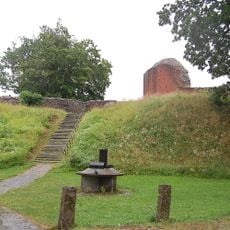
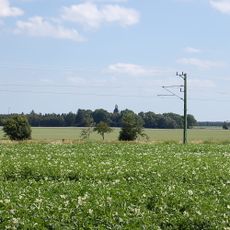
The original discovery site lies in a rural area of the Blekinge region and can be reached by ordinary roads. Visitors should know that the stone itself is no longer present, so only historical information marks the location today.
The repeated f-runes on this stone link it to two other known runestones in the same region, suggesting a special local practice. This repetition of the same symbols is unusual and sets this stone apart from many others of its period.
The community of curious travelers
AroundUs brings together thousands of curated places, local tips, and hidden gems, enriched daily by 60,000 contributors worldwide.