The Chinese Pavilion, Royal pavilion in Drottningholm, Sweden
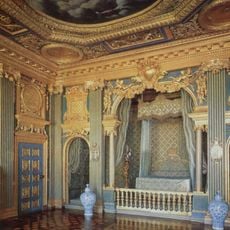
The Chinese Pavilion is an 18th-century building set within the Drottningholm Palace grounds, featuring distinctive red lacquered walls and intricate wooden carvings. Inside, period furnishings, porcelain, and decorative objects show how European craftspeople of that era interpreted East Asian forms.
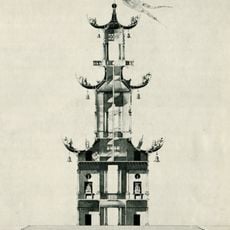
The first pavilion was prefabricated in Stockholm and assembled at Drottningholm in time for Queen Lovisa Ulrika's birthday on 24 July 1753, a surprise from King Adolf Frederick; Crown Prince Gustav, aged seven, handed her the gold key dressed as a Chinese mandarin. Rot attacked its wooden frame within ten years, so Carl Fredrik Adelcrantz designed the present larger building, begun in 1763 and finished in 1769.
The building reflects the 18th-century fascination with East Asian design, visible in its bright red walls and detailed wooden decorations throughout. As you walk through the rooms, you see how European craftsmen interpreted Chinese style in furnishings and ornaments.
The building is open to visitors during the warmer months, and tours help you understand the collections and rooms inside. Keep in mind that some areas have steps and the outdoor grounds can become muddy during wet weather.
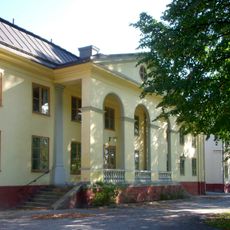
North of the pavilion stands the Confidence, a dining building where the dining and serving tables were set one floor below the royal dining room and hoisted up through the floor on a signal. The royals thus ate without servants present, en confidence, French for "in confidence". The old kitchen north of it housed a café in the summers from 1957.
The community of curious travelers
AroundUs brings together thousands of curated places, local tips, and hidden gems, enriched daily by 93,205 contributors worldwide.