Ransäters bruksherrgård, Manor house museum in Ransäter, Värmland County, Sweden
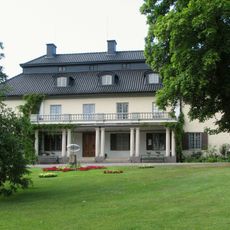
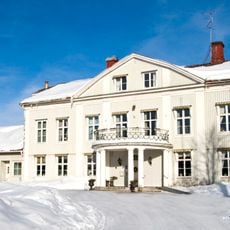
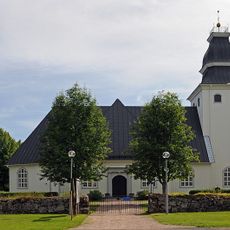
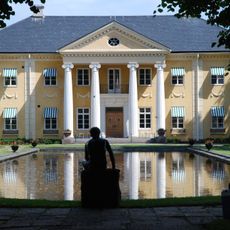
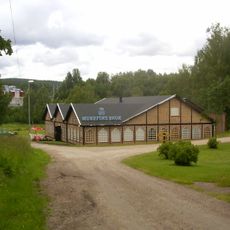
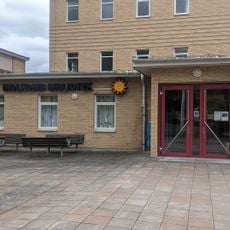
Ransäters bruksherrgård is a manor house and museum housed in a white wooden building with symmetrical facades and traditional gabled roofs. Inside are exhibition spaces that tell the story of regional heritage and the lives of its notable residents.
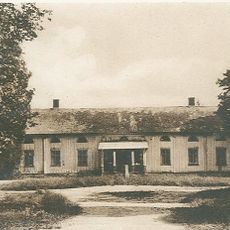
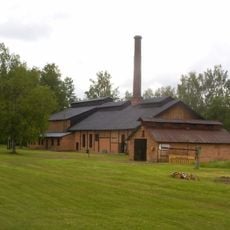
Ransäter ironworks was founded in the mid-17th century by mayor Johan Börjesson, who later also started the Munkfors works; it had three bar-iron hammers, shut down only at the end of the 19th century. The estate was bought by Erik Gustaf Geijer's grandfather and sold in 1817 by his brother Emanuel to Barthold Dahlgren, father of Fredrik August Dahlgren. The Geijer family repurchased Geijersgården in 1907, and the old house was demolished and rebuilt in summer 1914 using parts of it.
The museum in the main building is run by the Geijerska Family Association and covers Erik Gustaf Geijer, Fredrik August Dahlgren, author of Värmlänningarna, and the painter Uno Troili, Geijer's nephew. A memorial stone to Geijer stands in front of the house, and a family archive is kept next to the museum.
The estate lies in Ransäter, Värmland, not in Munkfors town, so plan the drive accordingly. The museum occupies the main building, with a memorial stone to Erik Gustaf Geijer standing in front of the house and a family archive next to the museum. Check current opening times with the Geijerska Family Association before travelling.
The manor stands in Ransäter, Värmland, not in Munkfors: Johan Börjesson, the mayor who founded the ironworks in the mid-1600s, also started the Munkfors works, which is why the two are often confused. The estate's three bar iron hammers kept working until the end of the 19th century.
The community of curious travelers
AroundUs brings together thousands of curated places, local tips, and hidden gems, enriched daily by 94,050 contributors worldwide.