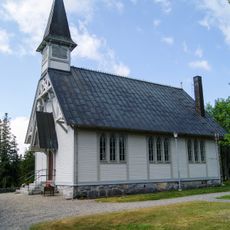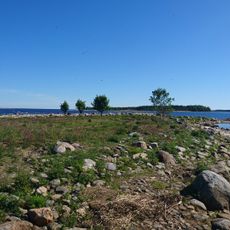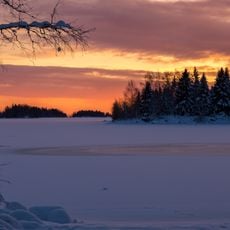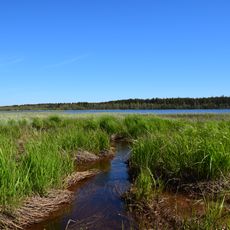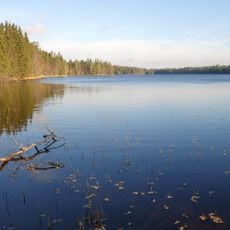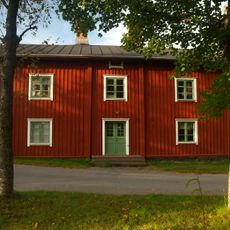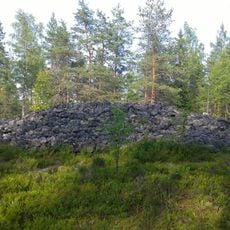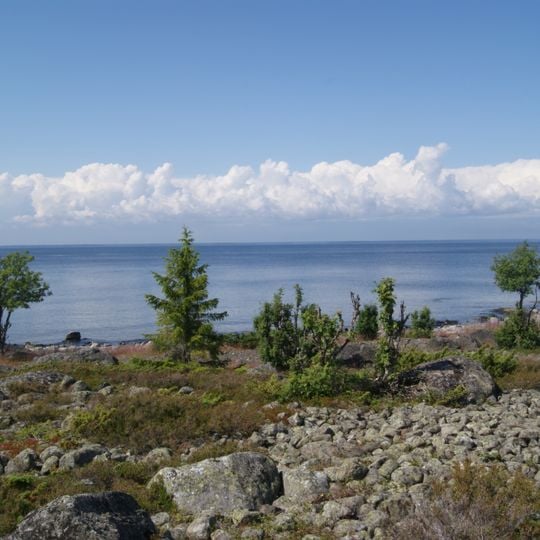
Holmöarna, Island group in Kvarken narrows, Sweden.
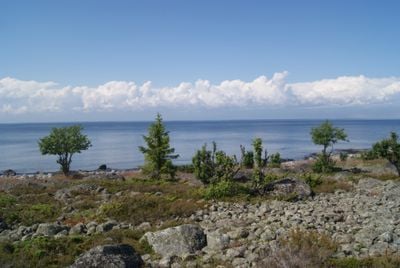
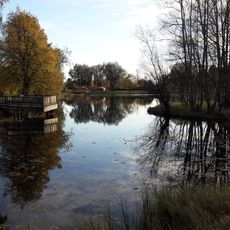
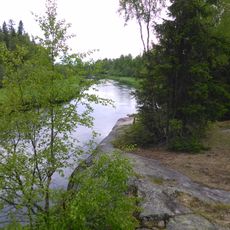
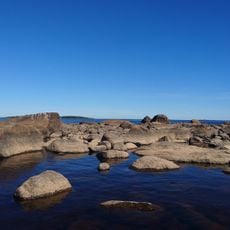
Holmöarna is an island group in the Gulf of Bothnia between Sweden and Finland, made up of six main islands including Holmön, Ängesön, and Grossgrunden. The islands form a landscape shaped by water, rocky shores, and mixed forests typical of the northern archipelago.
Permanent settlements on the islands developed around 1300 as fishing became the main livelihood. King Gustav Vasa introduced formal taxation in 1543, marking the islands' integration into the Swedish realm.
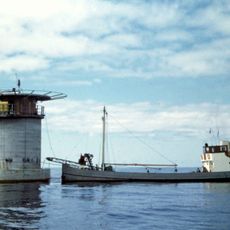
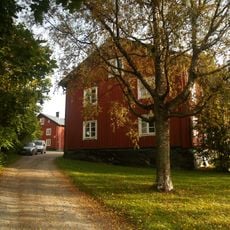
The islands remain centers for traditional fishing activities, and the maritime museum in Byviken documents how people here have lived from the sea. Local residents continue customs tied to boat-building and seasonal fishing rhythms that shape daily life on the archipelago.
Visitors reach the islands by ferry from Umeå, with more frequent connections during summer months. The best time to visit is June through August when weather is favorable and all island services operate at full capacity.
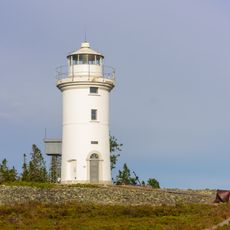
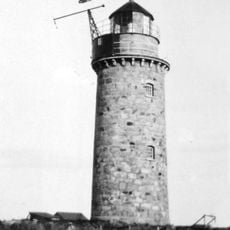
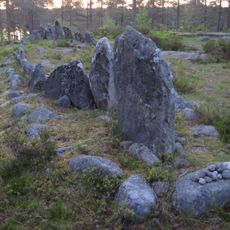
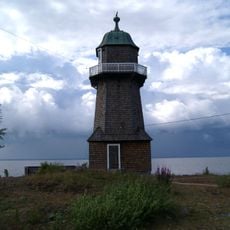
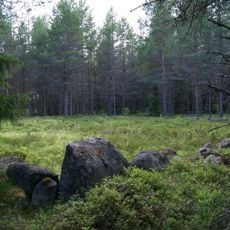
The archipelago contains Sweden's largest marine nature reserve with ancient stone markings from historic fishing activities scattered across the islands. Two working lighthouses dating from the 18th century still stand and guide boats through these waters today.
The community of curious travelers
AroundUs brings together thousands of curated places, local tips, and hidden gems, enriched daily by 90,765 contributors worldwide.