Borgarhuset, Historical building complex in Wadköping, Örebro, Sweden
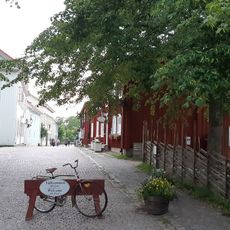
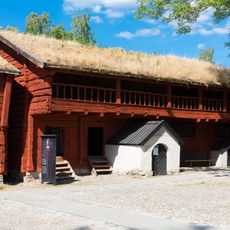
Borgarhuset is a two-storey wooden house from the 17th century, now in the Wadköping open-air museum in Örebro. Each floor has two rooms, one larger and one smaller, and an internal staircase replaces the original external gallery. The upper floor's helgstuga preserves early 18th-century wall and ceiling paintings of birds, grapevines, cherries, tulips and fantasy flowers.
The house dates from the 17th century and originally stood at Kyrkogatan 4 in central Örebro, where it served as a guest house (gästabudsstuga) belonging to a larger courtyard. In 1912 it was moved to Lars Bohms udde in Stadsparken to make way for the new Post and Telegraph House, and in 1965 it was moved again to Wadköping. It has been a listed building since 2000.
The house is also called Cajsa Wargs hus after Cajsa Warg, who was born here in 1703 as Anna Christina, daughter of Anders and Catharina Warg. Her cookbook Hjelpreda i Hushållningen för unga Fruentimber came out in 14 editions in Sweden and abroad. The museum now runs an exhibition in the house called Cajsa Warg Skafferi.
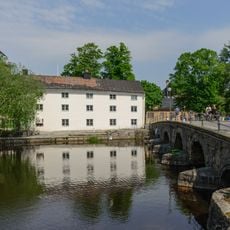
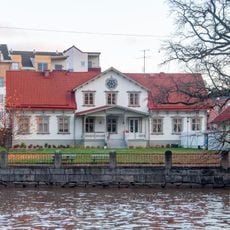
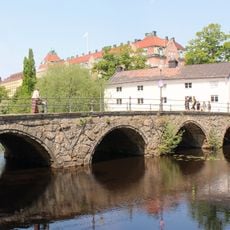
Borgarhuset stands in Wadköping, Örebro's open-air museum on the Svartån, next to Kungsstugan. The upper floor is reached by an internal staircase, since the original external gallery is gone. Inside, the Cajsa Warg Skafferi exhibition occupies the house.
The upper floor's helgstuga holds early 18th-century wall and ceiling paintings: birds, grapevines, branches with red cherries, tulips and fantasy flowers. The house was owned by Anders and Catharina Warg, whose daughter Anna Christina, born 1703, became Cajsa Warg, author of the cookbook Hjelpreda i Hushållningen för unga Fruentimber, printed in 14 editions.
The community of curious travelers
AroundUs brings together thousands of curated places, local tips, and hidden gems, enriched daily by 93,811 contributors worldwide.