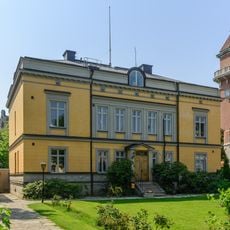
Kungsstugan, Historical museum in Wadköping, Sweden
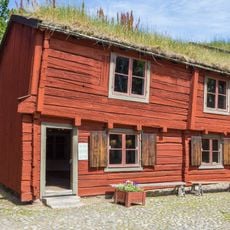
Kungsstugan is a two-storey timber loft building in Wadköping, with four storage cellars on the ground floor and a guest chamber and sleeping chamber above. The upper rooms keep wall and ceiling paintings from the 1580s and 1620s, possibly by the king's own painters. The building was moved to its current spot in 1963.
Kungsstugan may date from the 1400s but is documented from the late 1500s, when Duke Charles is said to have stayed there in 1580 and 1581. Around 1600 it was acquired by mayor Lars Olofsson Bohm and incorporated into Borgmästargården, built in 1617. In 1899 it was moved to Alsnäs udde, later Lars Bohms udde, and in 1963 shifted a few metres to its present site in Wadköping. It was listed as a building monument in 2000.
The upper floor's guest chamber, called Rikssalen or Vasa gamla Rikssal, takes its name from a poorly supported tradition that a national assembly met here in 1540. The wall and ceiling paintings preserved in the upstairs rooms date from the 1580s and 1620s and may have been made by the king's own painters. The sleeping chamber is traditionally called Duke Karl's bedroom.
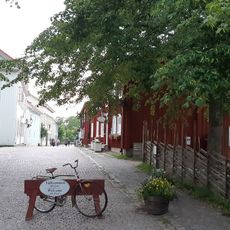
Kungsstugan stands in Wadköping, the open-air heritage reserve on Lars Bohms udde by the Stadsparken in central Örebro, a short walk from the city centre. The reserve was inaugurated in 1965, and the building was moved about ten metres to its present spot in 1963. The upper floor is reached by stairs, so plan for that when visiting.
It is the oldest building in Örebro and received formal monument protection status in 2000 under Örebro Municipality jurisdiction. The relocation from the city center to Wadköping in the 1960s was an important preservation effort.
The community of curious travelers
AroundUs brings together thousands of curated places, local tips, and hidden gems, enriched daily by 94,599 contributors worldwide.