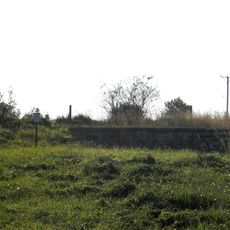
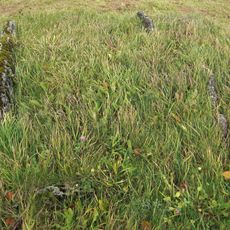
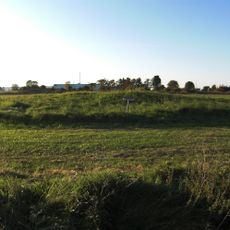
Karlebys gånggrifter, Neolithic passage graves in Falköping Municipality, Sweden
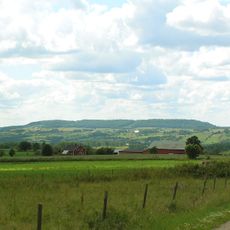
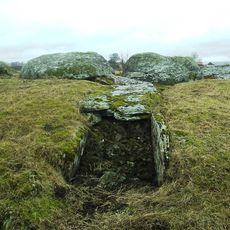
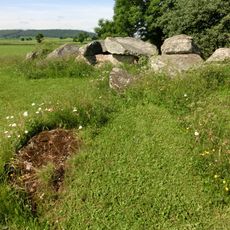
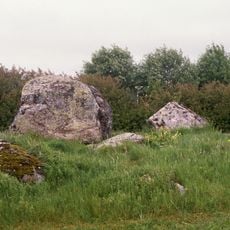
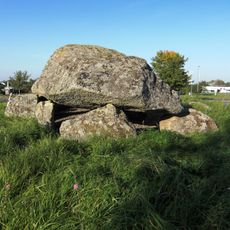
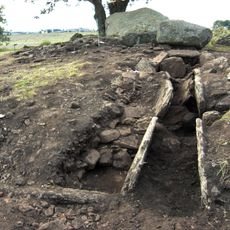
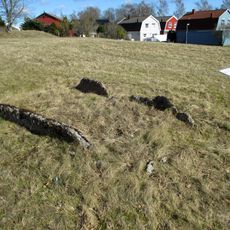
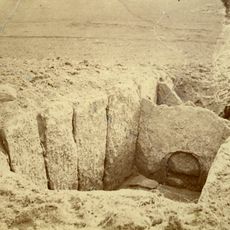
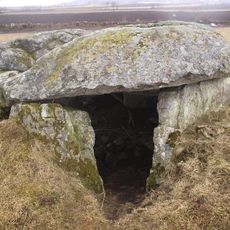
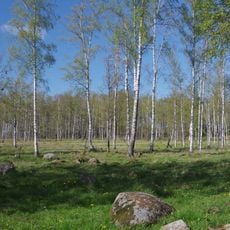
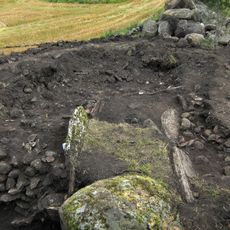
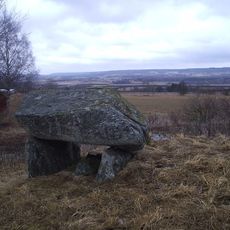
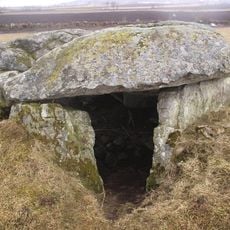
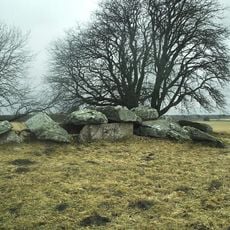
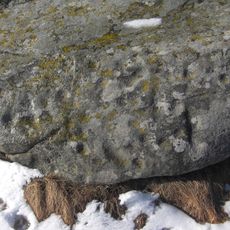
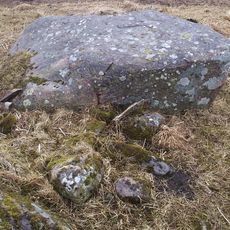
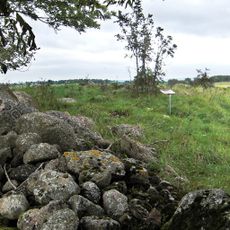
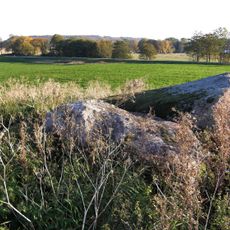
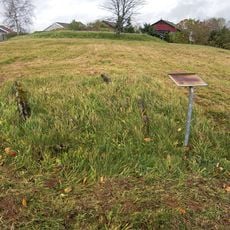
Karlebys gånggrifter is a group of five passage graves from around 3300 BC, set in mounds in the farmland west of the road past the old linear village of Karleby, north of Karleby Church. The chambers run north-south with entrances facing east, and many roof slabs bear cup marks. Nearby lie eight more passage graves and nine stone cists.
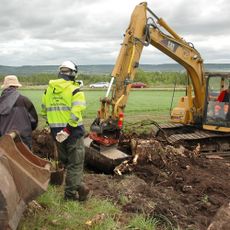
These passage graves were built during the Stone Age when settled communities began constructing their first monumental structures. They were later studied by researchers who gathered important information about early burial practices and daily life.
The name Ravarehögen for Ragnvald's grave is a local folk name, while Logårds kulle takes its name from the Logården farm across the road. Cup marks are cut into several roof slabs, and the passage graves were used for collective burials over generations. Flint scrapers, a flint axe, bone tools, pierced animal teeth and amber beads found here are now at Falbygdens museum.
The site sits in the middle of farmland and requires crossing through private properties, though parking is available along the main road. Weather and ground conditions can affect access, so sturdy footwear and careful footing are important when walking around the graves.
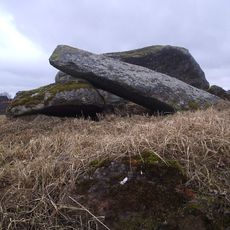
Ragnvald's grav, Scandinavia's largest passage grave, has a 16-metre chamber that was once covered by nine large roof slabs; only three remain in place. The 33-metre-wide mound has never been excavated, yet flint scrapers and a flint axe found in it are now at Falbygdens museum.
The community of curious travelers
AroundUs brings together thousands of curated places, local tips, and hidden gems, enriched daily by 94,430 contributors worldwide.