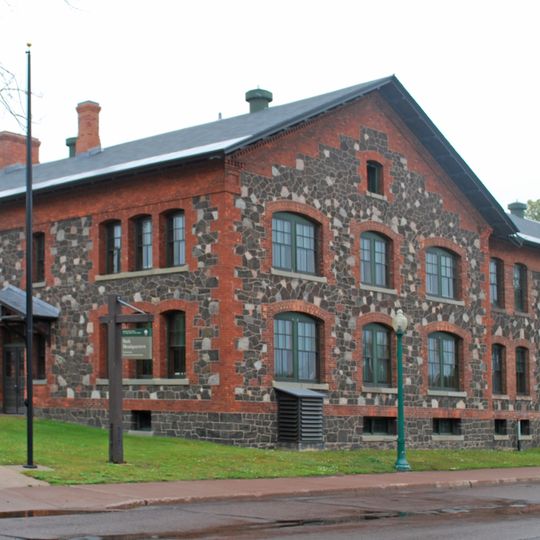
Keweenaw National Historical Park, National Historical Park in Houghton County, Michigan, United States.
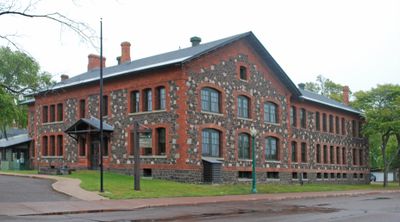
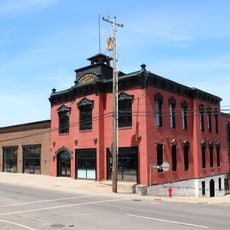
Keweenaw National Historical Park is a protected area on the Keweenaw Peninsula containing 13 sites that preserve buildings, landscapes, and machinery from the copper mining era. The grounds feature a mine shaft descending approximately 9,000 feet and display the industrial infrastructure that supported this mining operation.
The region served as a copper mining center from around 5000 BCE until 1968, containing the world's largest deposits of pure native copper during that span. Continuous mining operations over thousands of years made this peninsula a major source of metal production in North America.
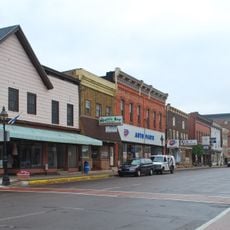
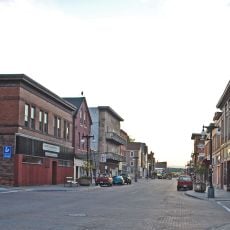
The copper mines drew workers from France, Germany, China, Ireland, Cornwall, Croatia, Finland, Italy, Greece, and Syria beginning in the early 1900s, each group establishing their own communities. These laborers shaped the peninsula's daily life and left marks visible today in local buildings, street names, and customs that persist.
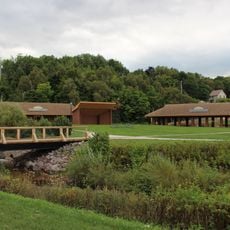
Visitors can explore the grounds year-round, with guided tours available to show the mine and preserved equipment throughout the site. Wear comfortable shoes and prepare for changing weather, as the outdoor terrain and heavy snow during winter months may limit access to certain areas.
The park's geological foundation contains one of Earth's oldest and largest lava flows, which chemically produced 97 percent pure native copper requiring no smelting. This geothermal feature developed over millions of years and made the region a natural copper source unlike most deposits elsewhere.
The community of curious travelers
AroundUs brings together thousands of curated places, local tips, and hidden gems, enriched daily by 60,000 contributors worldwide.