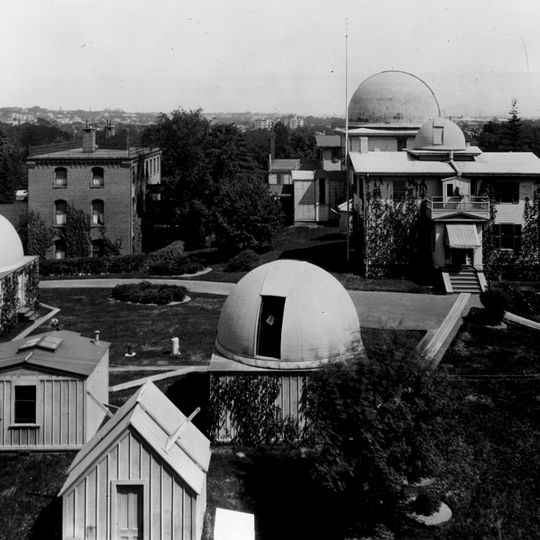
Harvard College Observatory, Astronomical observatory in Cambridge, United States
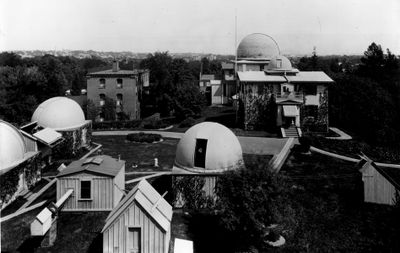
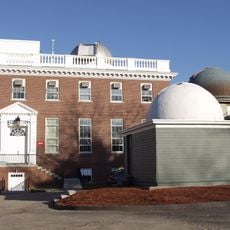
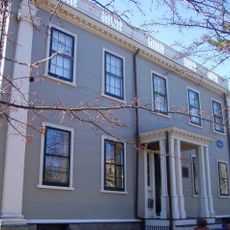
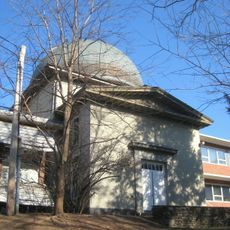
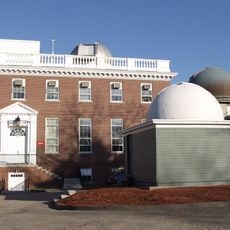
Harvard College Observatory is an astronomical observatory in Cambridge located at Harvard University, operating multiple telescopes and research facilities across its campus buildings. The facility houses a vast collection of roughly 500,000 astronomical plates taken from the 1880s through 1989, representing decades of observational data.
The observatory was founded in 1839 and housed North America's largest telescope from 1847 to 1867, a 15-inch refractor called the Great Refractor. This instrument enabled groundbreaking observations of the sky and significantly advanced understanding of the cosmos during that period.
The observatory was a place where women astronomers could work and make important discoveries in stellar classification and other fields. These female researchers left a lasting mark on modern astronomy and helped shape how we understand the stars.
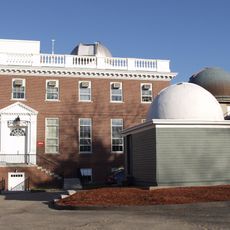
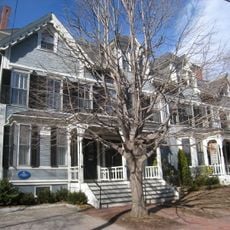
The observatory sits on Harvard's large campus with buildings spread across the grounds, so visitors should plan to walk around the area. It's useful to check ahead which parts of the facility are open to the public, as access varies and some research areas are restricted.
Between 1847 and 1852, the observatory produced the first detailed photographs of the moon using daguerreotype technology, a cutting-edge imaging method of that era. These lunar images were so impressive they won recognition at the 1851 London World's Fair.
The community of curious travelers
AroundUs brings together thousands of curated places, local tips, and hidden gems, enriched daily by 92,890 contributors worldwide.