Cambridge, University city in Massachusetts, United States
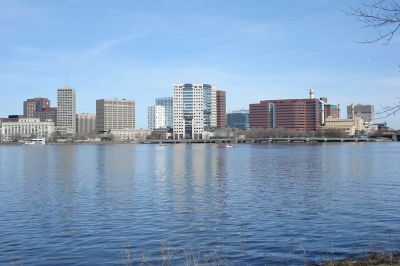
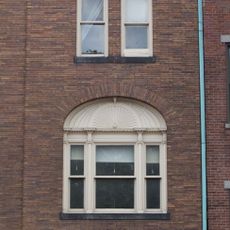
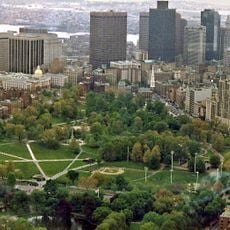
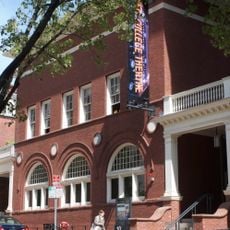
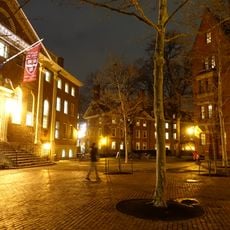
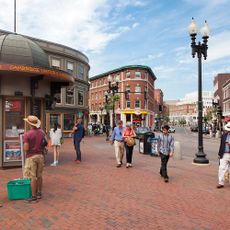
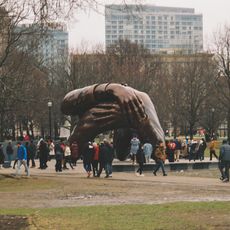
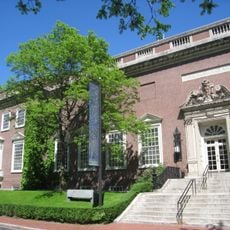
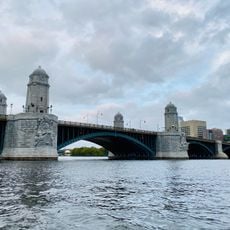
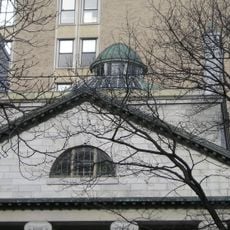
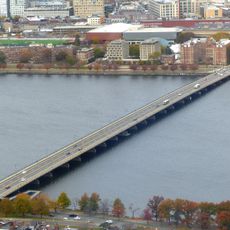
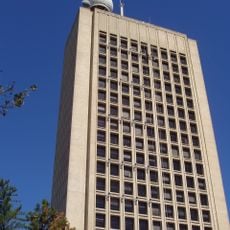
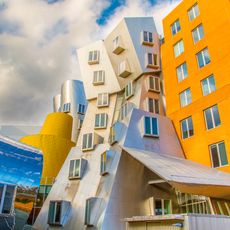
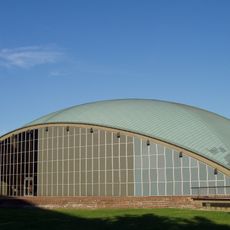
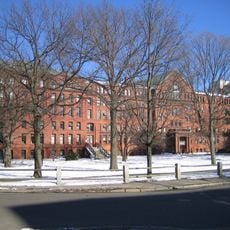
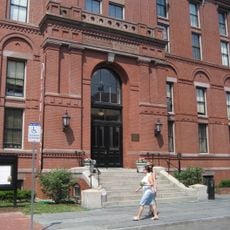
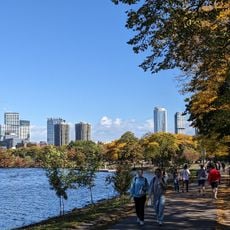
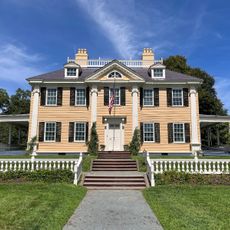
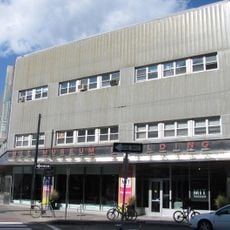
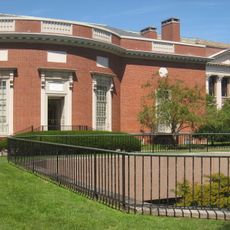
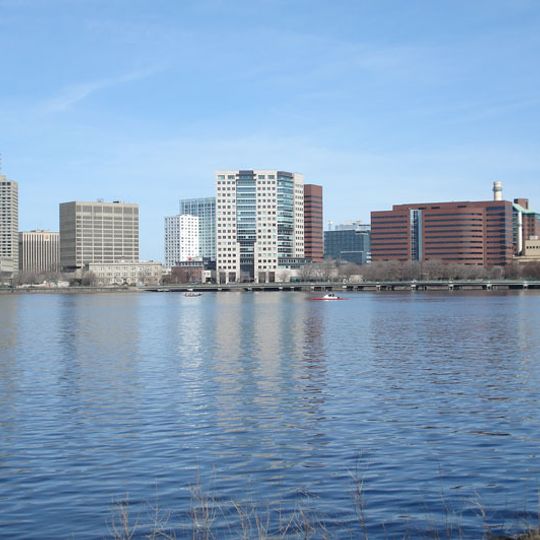
This city in Massachusetts spreads along the Charles River, defined by its colleges, research laboratories and residential neighborhoods built across different centuries. Brick buildings stand next to modern glass structures, while tree-lined streets connect distinct districts that each have their own character.
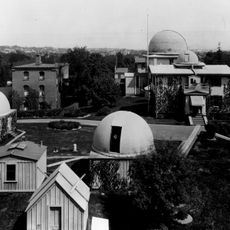
Established in 1630 as Newtowne, the settlement took its current name eight years later, referencing the English university town where many colonists had studied. The 19th century brought industrial growth alongside educational institutions, while the 20th century saw the rise of technology research.
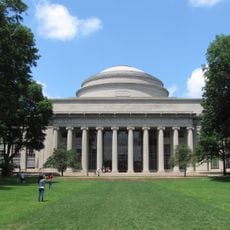
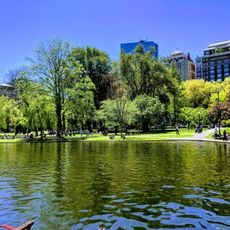
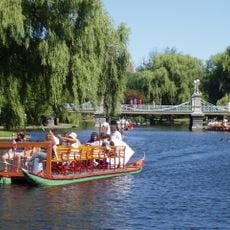
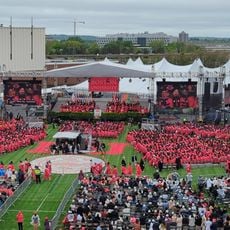
Students and researchers from around the world shape daily life, where bookstores, cafes and libraries become natural gathering points throughout the day. The academic environment shows itself in public lectures, exhibitions and intellectual conversations that spill into parks and squares.
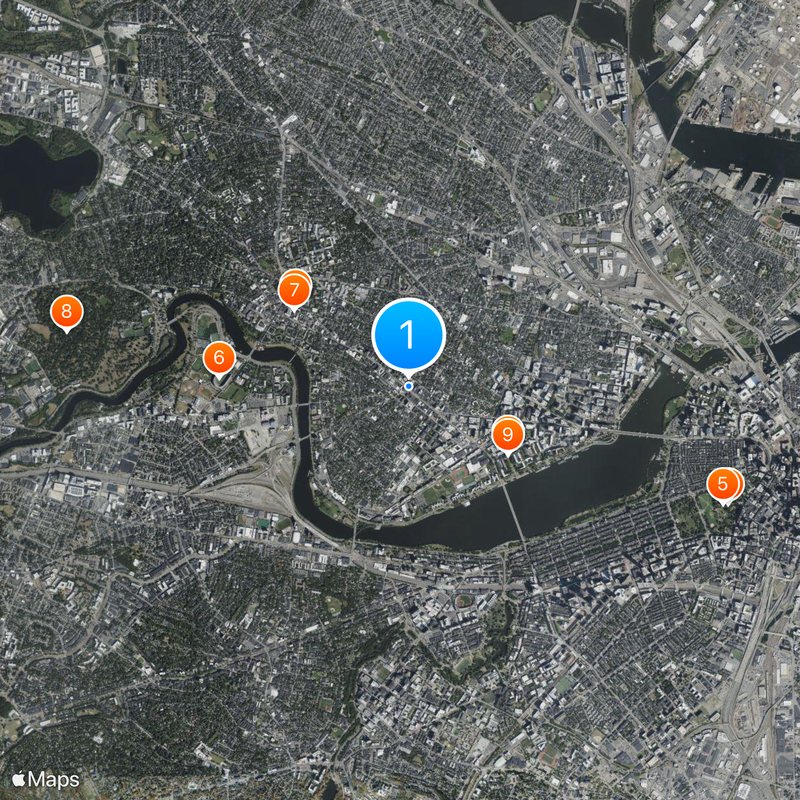
The Red Line subway connects several stations including Harvard Square, Central Square and Kendall Square, making it easy to reach Boston and move between neighborhoods. Most points of interest lie within walking or cycling distance, with the main squares serving as natural orientation landmarks.
More than 100 technology companies concentrate within roughly one square mile (2.5 square kilometers) around Kendall Square, making this area one of the world's leading centers for biotechnology. The proximity between research labs and commercial offices creates an unusual mix of scientists and entrepreneurs on the same streets.
The community of curious travelers
AroundUs brings together thousands of curated places, local tips, and hidden gems, enriched daily by 91,805 contributors worldwide.