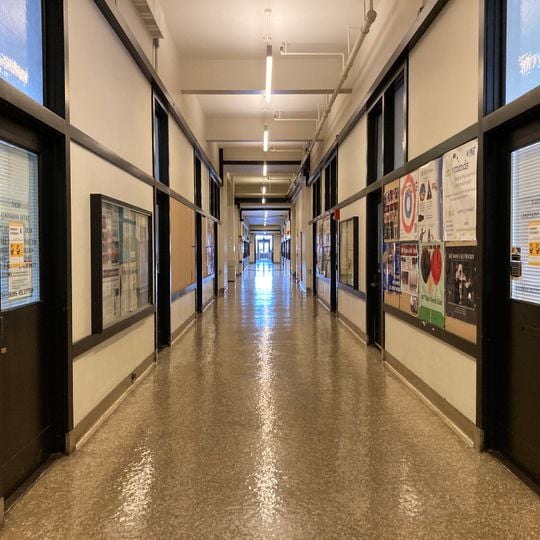
Infinite Corridor, Main passageway at MIT campus, Cambridge, US
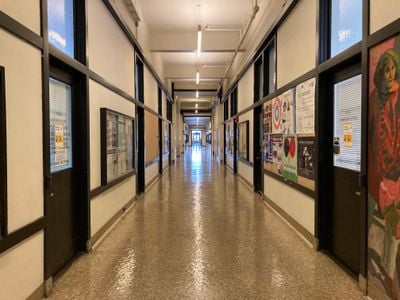
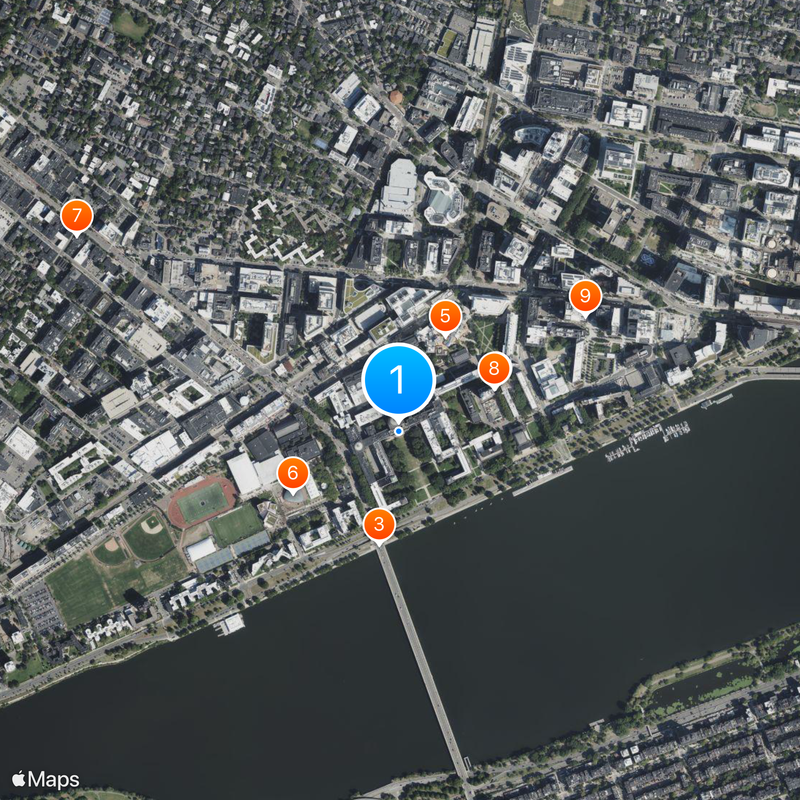
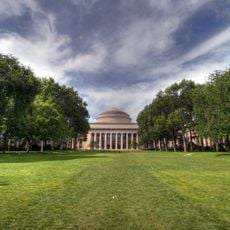
The Infinite Corridor is the main passageway on MIT's campus, stretching through five major buildings and connecting the east and west sections. This roughly 250-meter tunnel serves as the central link between key academic buildings.
The corridor was designed in 1913 by architect William W. Bosworth as part of his vision for a unified campus structure. This project shaped the physical layout of MIT and remained central to the campus design.
The walls display bulletin boards filled with announcements for student activities, research opportunities, and campus events. This collection of postings reflects the active academic life and the range of initiatives happening on campus.
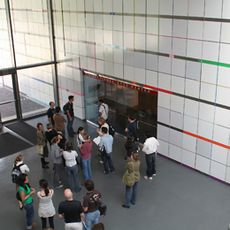
The corridor can be quite crowded during school hours as hundreds of students and staff use it daily. It is best to be flexible during peak times in the early afternoon or visit earlier or later for a quieter experience.
Twice a year, in mid-November and late January, the sun aligns perfectly to cast a direct beam of light through the entire corridor. This phenomenon, known as MIThenge, draws visitors who want to experience this rare astronomical moment.
The community of curious travelers
AroundUs brings together thousands of curated places, local tips, and hidden gems, enriched daily by 92,015 contributors worldwide.