Massachusetts Institute of Technology, Private research university in Cambridge, United States
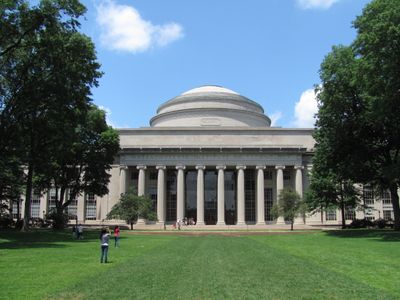
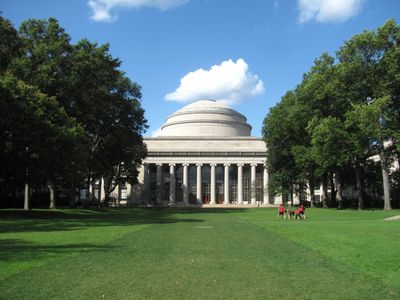
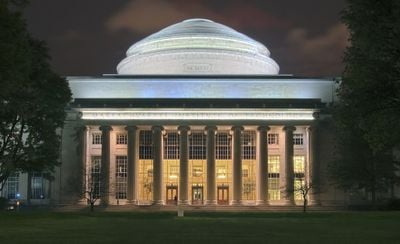
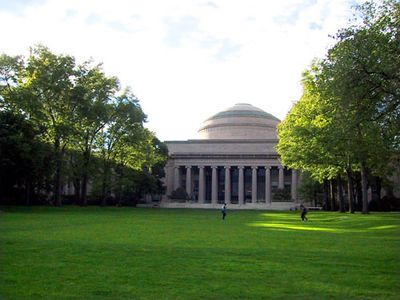
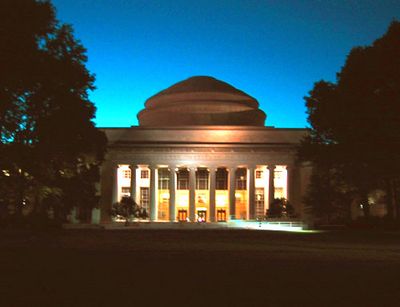
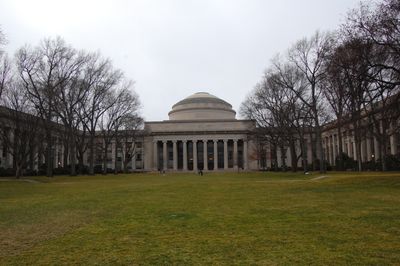
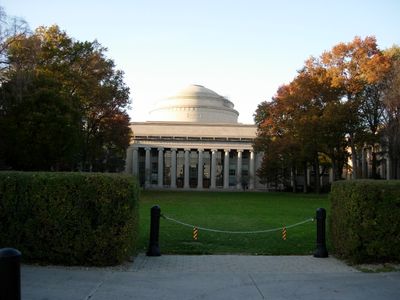
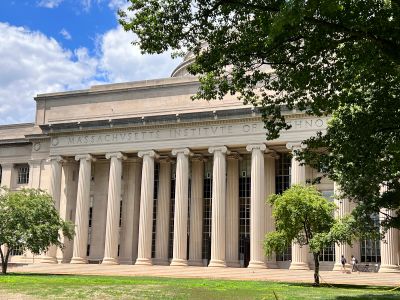
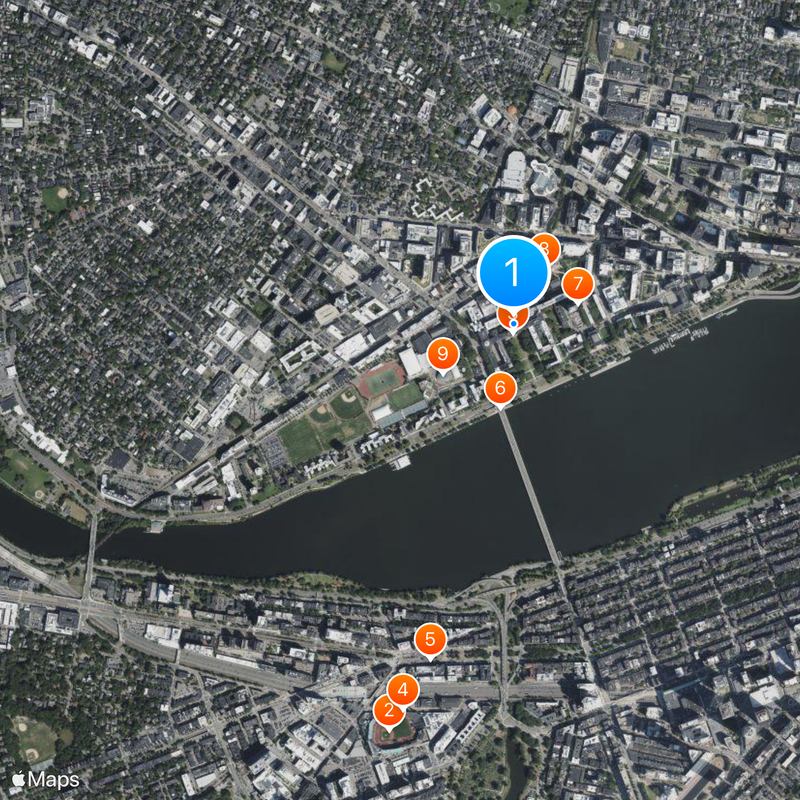
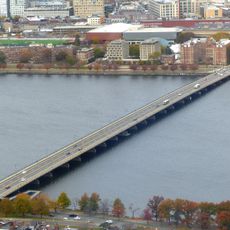
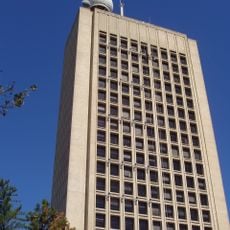
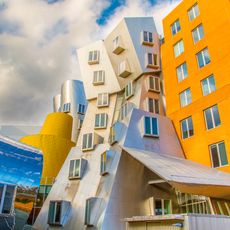
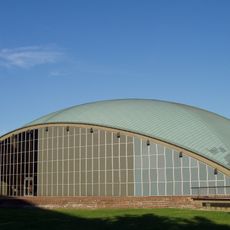
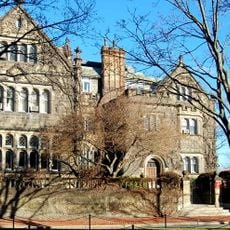
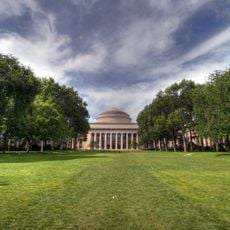
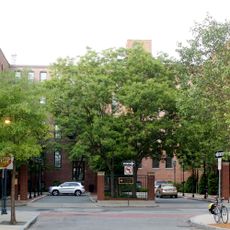
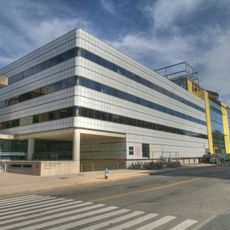
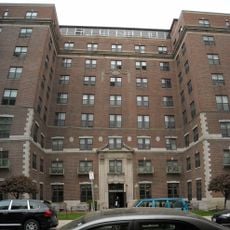
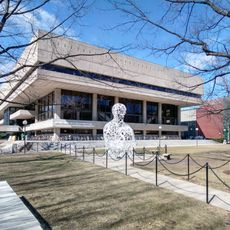
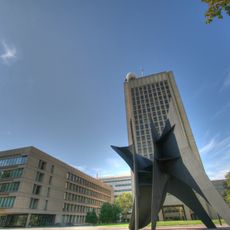
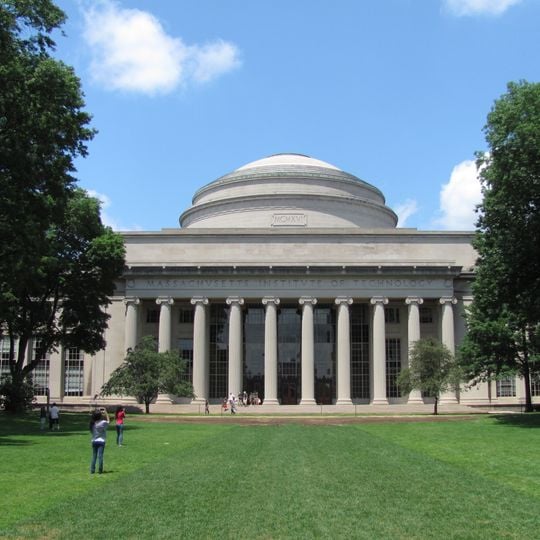
Massachusetts Institute of Technology is a research institution in Cambridge specializing in scientific and technological education. Its grounds extend along the Charles River and combine neoclassical brick structures with modern glass and steel buildings that house laboratories, libraries, and student residences.
William Barton Rogers founded the institution in 1861 to create a new form of scientific education. Relocation from Boston to Cambridge took place in 1916 after acquiring riverside land, while researchers there developed radar technology during World War II and new buildings for computer science and materials research arose after 1950.
The name MIT is used for the whole institution, whose teams founded about 25,800 companies employing some 3 million people, roughly a quarter of Silicon Valley's jobs. Since 2001 OpenCourseWare has posted lecture notes, problem sets and exams online for free, and the 2012 edX platform followed. Students keep the tradition of "hacks", elaborate pranks that use their technical skills.
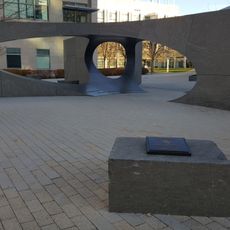
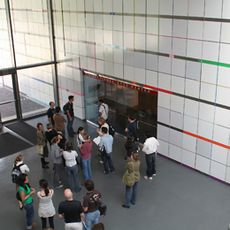
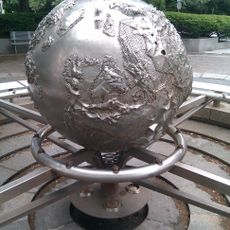
Visitors can explore portions of the grounds including public art installations and architectural landmarks, with guided tours offered on weekdays that require advance registration through the official website. Boston's Red Line subway stops at Kendall Station just a short walk from the main entrance, and several on-campus cafeterias and museums welcome the public.
A temporary wooden structure from World War II known as Building 20 remained in operation for 55 years and housed nine Nobel laureates. Its unconventional design with movable walls encouraged spontaneous collaboration between researchers from different fields, and after demolition in 1998 design principles from that structure were incorporated into modern facilities to foster similar creative interactions.
The community of curious travelers
AroundUs brings together thousands of curated places, local tips, and hidden gems, enriched daily by 92,056 contributors worldwide.