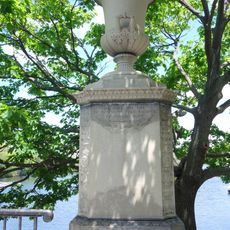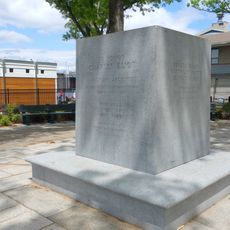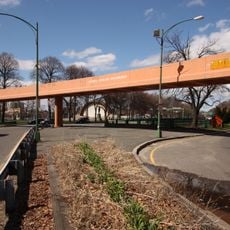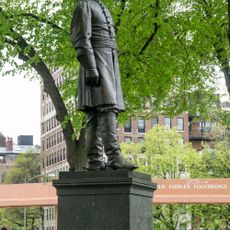
Longfellow Bridge, Steel arch bridge between Beacon Hill and Kendall Square, US
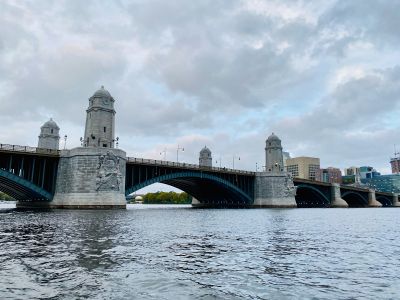
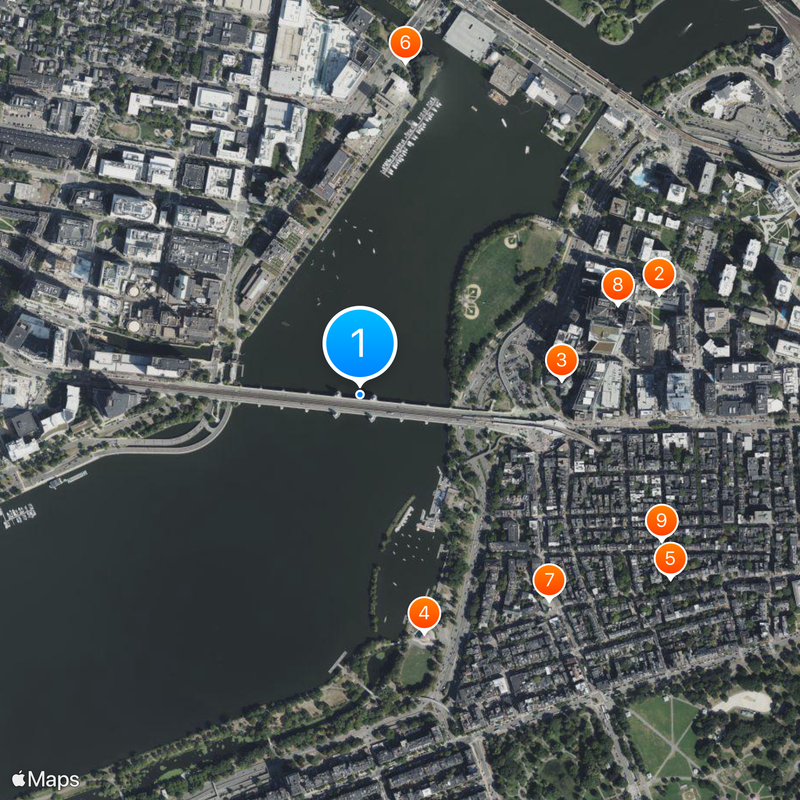
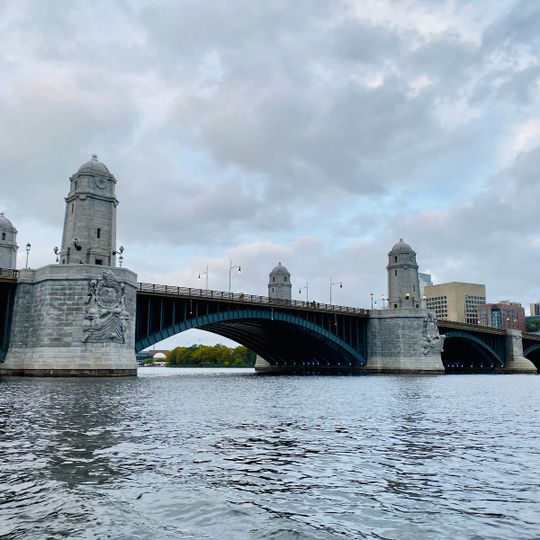
The Longfellow Bridge connects Boston and Cambridge across the Charles River with a length of 539 meters (1768 feet) and ten masonry piers supporting the steel arches. Its four towers with neo-Romanesque decorations shape its appearance and make it visible far along the riverbank.
Construction began in 1900 as a replacement for the 1793 West Boston Bridge and ended in 1906 with the opening for streetcars and vehicles. The structure developed into a key connection for urban transit when the subway line was added later.
The crossing took its name in 1927 from poet Henry Wadsworth Longfellow, who used the earlier structure regularly when visiting his future wife Fanny Appleton. The towers honor this romantic past and link daily traffic to the memory of a personal story.
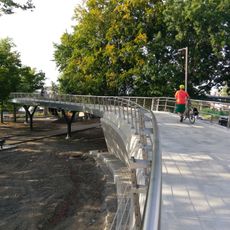
The crossing offers separate paths for pedestrians and cyclists on both sides, while cars and trains use the central section. The view over the river is best enjoyed from the footpath, especially during early morning hours or toward sunset.
The central towers carry carved prow tips from Viking ships, recalling a supposed journey by Leif Eriksson in 1000 up the Charles River. These details are easier to spot from the water than from the walkways and reflect the builders' historical imagination.
The community of curious travelers
AroundUs brings together thousands of curated places, local tips, and hidden gems, enriched daily by 90,803 contributors worldwide.