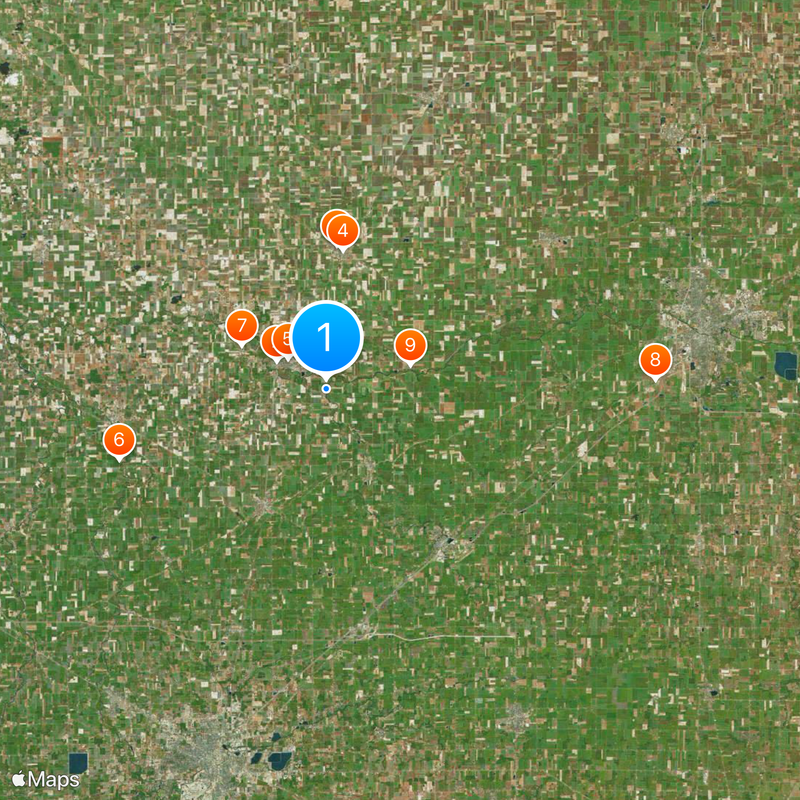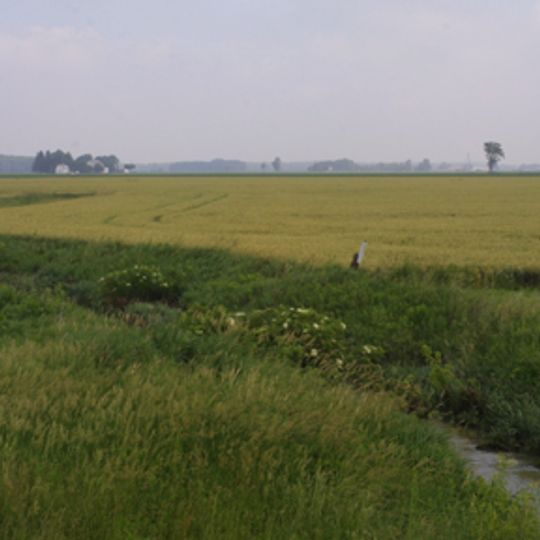
Great Black Swamp, Geographic region in northwestern Ohio and northeastern Indiana, United States.
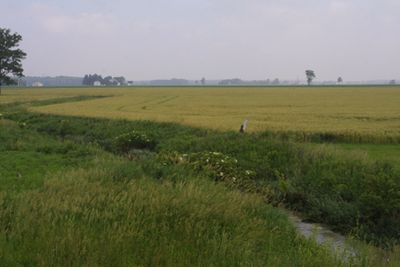
The Great Black Swamp was a vast wetland spanning parts of northwestern Ohio and northeastern Indiana with dense forests anchored in clay soil left behind by glaciers. Today the region has transformed into productive agricultural land following large-scale drainage efforts undertaken centuries ago.
The wetland formed from glacial processes and was originally inhabited by Native American groups before European settlers began systematic drainage projects in the 1800s. These efforts dramatically reshaped the landscape and converted the region into farmland.
Letters and journals from War of 1812 soldiers documented the challenges of traversing the region, including persistent mosquitoes that transmitted diseases.
The former swamp region is now mostly accessible through farm roads and highways crossing agricultural land. The flat terrain makes exploration straightforward, though access to private farmland is limited and visitors should respect boundaries.
Ancient sand and gravel ridges from prehistoric Lakes Maumee and Whittlesey still shape the terrain and mark former water flows. These natural raised formations guided drainage patterns and remain visible in today's landscape.
The community of curious travelers
AroundUs brings together thousands of curated places, local tips, and hidden gems, enriched daily by 60,000 contributors worldwide.