Orangerie Schönbrunn, Greenhouse building in Schönbrunn Palace, Austria
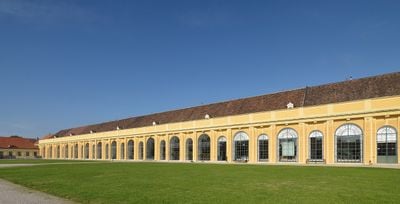
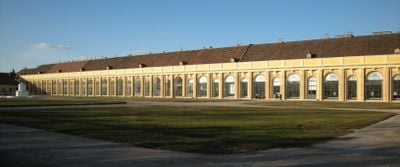
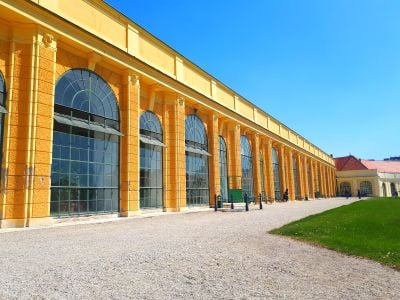
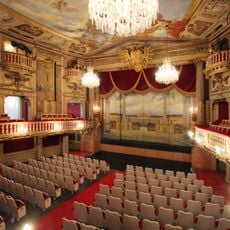
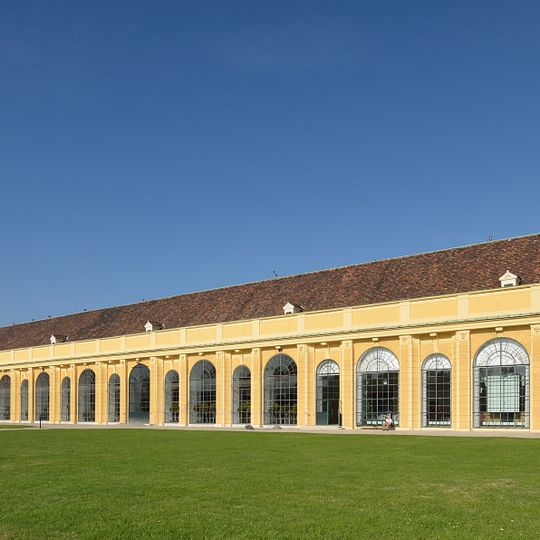
Orangerie Schönbrunn is an elongated greenhouse building in the palace grounds stretching nearly 200 meters, with a series of arches and pillars visible along its sunny facade. The structure is divided into two functional sections: one wing now serves as a concert venue while the other continues to house exotic plants.
Built in 1754 by architect Nikolaus Pacassi for the Habsburgs, the structure was designed to shield Mediterranean plants from frost during harsh winters. Over time it evolved into an important venue for classical music while maintaining its role as a winter shelter for vegetation.
The name refers to the citrus trees that once provided fruit for the palace during winter months. Visitors can observe how the long structure's generous windows were designed to flood the interior with natural light for the plants.
The building is easily accessible from the palace gardens and located close to other attractions within the grounds. Visitors should note that one section is used for concerts and may not always be open for general viewing.
The building houses an original 18th-century underground heating system that still maintains proper temperatures for Mediterranean plants using ancient Roman heating technology. This ingenious system allowed the Habsburgs to keep tropical and southern plants alive through cold winters.
The community of curious travelers
AroundUs brings together thousands of curated places, local tips, and hidden gems, enriched daily by 91,391 contributors worldwide.