Centrale Begraafplaats, cemetery in Bruges, Belgium
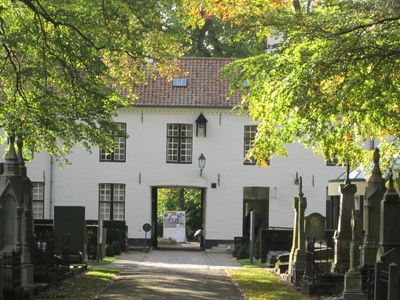
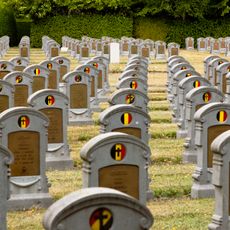
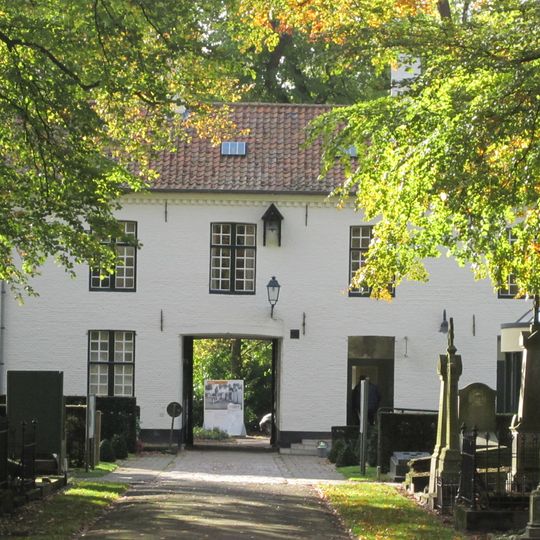
Centrale Begraafplaats is a cemetery in Bruges with peaceful pathways lined by old gravestones and surrounded by mature trees, some of which are over 200 years old. The grounds feature a mix of historical monuments, including decorated tombs from the 1800s, newer family plots, a dedicated war graves section, and a modern area for urns and ash scattering.
This cemetery was established in the late 1700s after an imperial order banned burials around churches and required them to take place outside city walls. During World War I, a dedicated section was created for soldiers and civilians from Belgium, Britain, and Germany who died during the conflict.
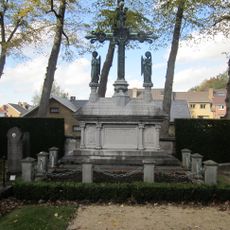
The cemetery reveals how wealthy families in the 1800s expressed their status through elaborate stone monuments with decorative carvings. Visitors can still see symbols carved into the graves, such as hourglasses marking time and doves representing peace, which tell stories about how people understood life and death.
The cemetery is within walking distance of the city center and has a small parking lot and bus stop near the entrance. The grounds are open during daytime hours, with well-marked pathways through all sections, and a small exhibition building near the main gate provides information about the site's history.
Notable figures such as writer Guido Gezelle and architect Hendrik Pickery are buried here, their graves marking contributions to Bruges' cultural history. Today the site follows a natural management plan called Foreest that encourages native plants and trees to thrive, transforming the cemetery into a habitat where chemical-free growth supports local wildlife.
The community of curious travelers
AroundUs brings together thousands of curated places, local tips, and hidden gems, enriched daily by 60,000 contributors worldwide.