Fort Lillo, fort near Antwerp, Belgium
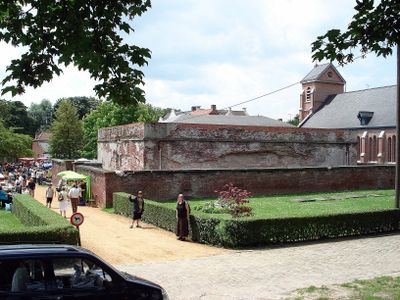
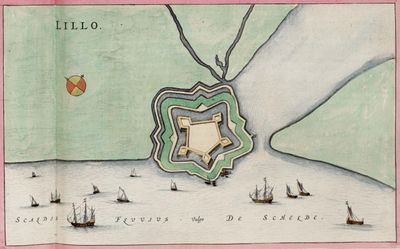
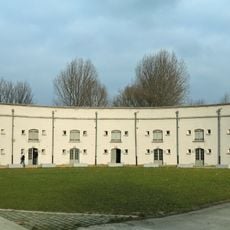
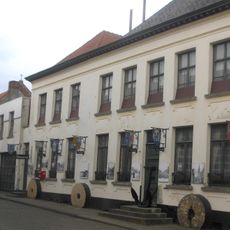
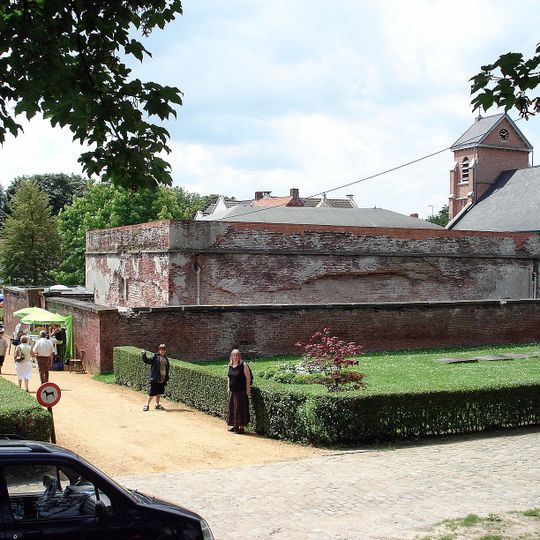
Fort Lillo is a small fortress on the Scheldt riverbank in Antwerp with thick stone walls and historic barracks spanning several centuries. The site features ramparts, simple buildings including a powder store, and remnants of its original pentagon shape, all surrounded by port facilities.
William of Orange ordered the fort's construction in 1579 to defend Antwerp from Spanish attack and establish a harbor control point. It worked alongside the opposite fortress Fort Liefkenshoek and later saw action during the Napoleonic Wars, changing hands between Spanish, Dutch, French, Austrian, and Belgian rule.
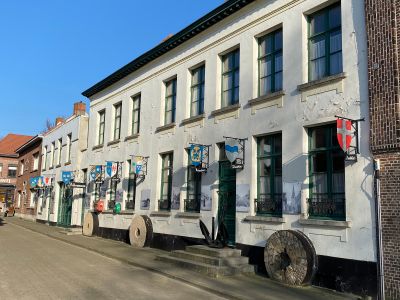
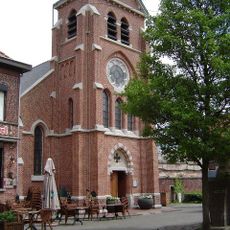
The name Fort Lillo carries Dutch and Flemish roots, reflecting its original role as a military stronghold guarding river trade. Today about thirty residents live inside its walls, and their daily presence keeps the old barracks, ramparts, and the Saint Benoit chapel active parts of community life, connecting past inhabitants to present ones.
The fort sits directly on the Scheldt River and is accessible on foot, with open ramparts offering paths along the water's edge. During warmer months, visitors can take a ferry from here across the river to the nearby village of Doel, especially on weekends and public holidays.
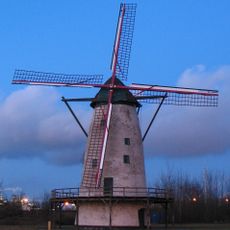
The site preserves a windmill called De Eenhoorn built in 1735, a reminder of traditional land practices and a charming contrast to the military fort. Nearby, the Lillo Polder Museum holds stories of vanished villages and dyke breaches, showing how people battled water for centuries to protect their home.
The community of curious travelers
AroundUs brings together thousands of curated places, local tips, and hidden gems, enriched daily by 60,000 contributors worldwide.