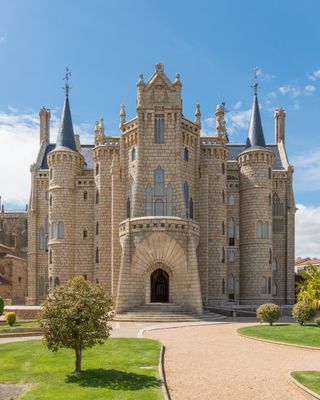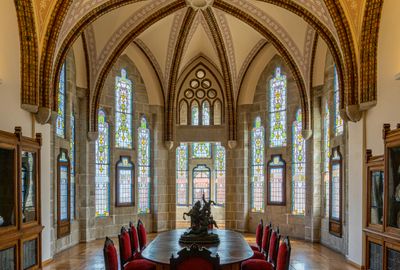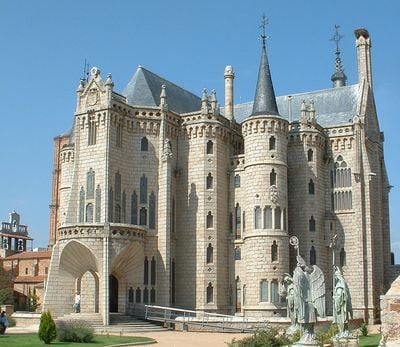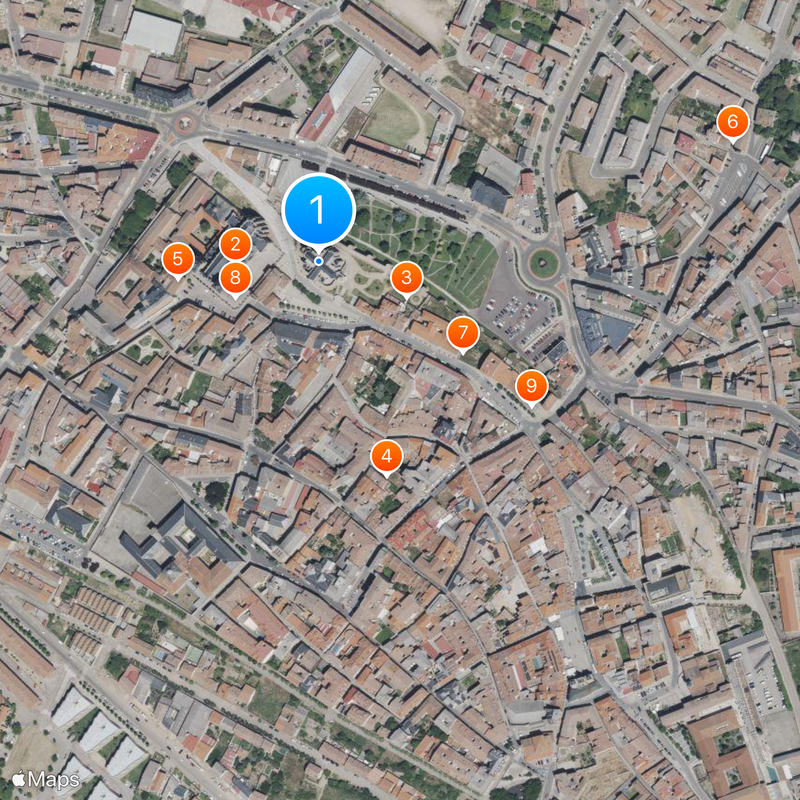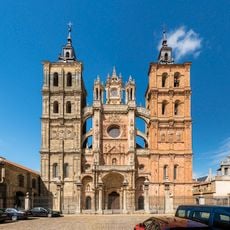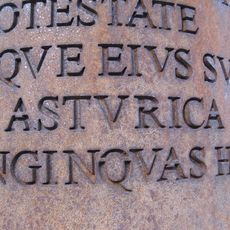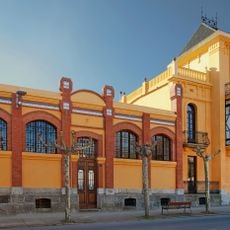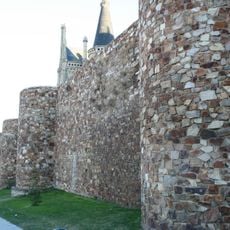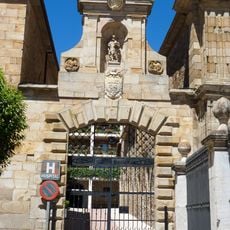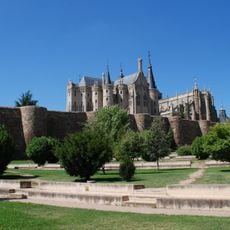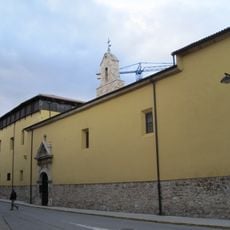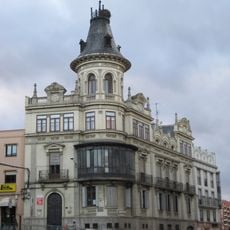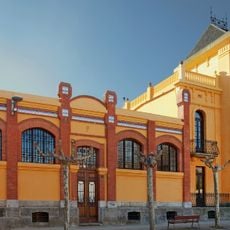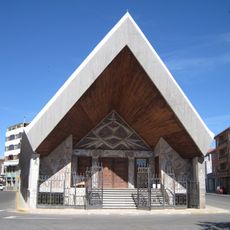
Palacio Episcopal de Astorga, Episcopal palace at Plaza Eduardo de Castro, Astorga, Spain
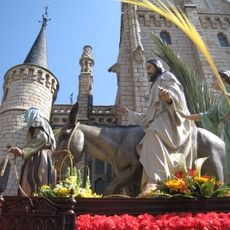
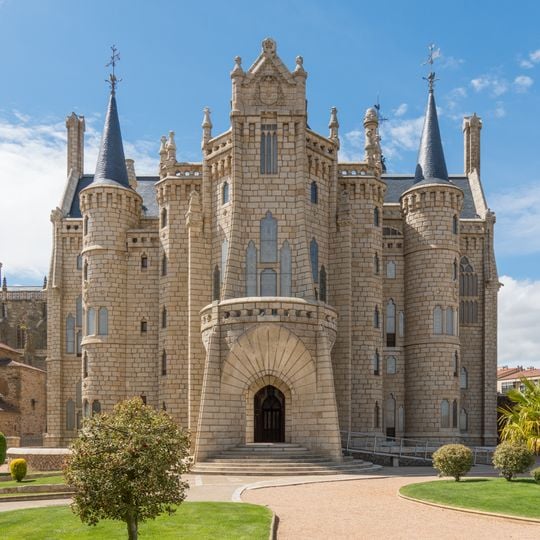
Palacio Episcopal de Astorga is a neo-Gothic residence with four cylindrical towers and pointed arches, its white granite façade reflecting late 19th-century architectural principles. The building stands at Plaza Eduardo de Castro and forms a distinctive landmark within the old town.
The original bishop's house burned in 1886, prompting Bishop Juan Bautista Grau y Vallespinos to commission Antoni Gaudí for a new design in 1889. The palace was completed in the early 20th century and now stands as part of a UNESCO World Heritage site.
The building houses the Museum of the Ways, showing religious artworks and objects tied to pilgrimage journeys across centuries. Visitors see items that tell the story of travelers and their spiritual paths through time.
The building is open to visitors during museum hours, with opening times varying by season. It is advisable to check current hours before visiting and to pick up information about the tour at the entrance.
The building stands as Gaudí's only fully completed ecclesiastical work outside Catalonia, displaying his distinctive architectural approach in this region. Choosing a Catalan architect for a bishop's residence in a smaller Spanish city was unusual for its time.
The community of curious travelers
AroundUs brings together thousands of curated places, local tips, and hidden gems, enriched daily by 91,406 contributors worldwide.