Taifa of Granada, Medieval Islamic kingdom in southern Spain
The Taifa of Granada was an independent Islamic kingdom that controlled territories in what is now southern Spain from 1013 to 1090. Its capital, Madinat Gharnāṭah, served as the political and economic center, surrounded by mountainous terrain and coastal areas that shaped its development.
The kingdom emerged after the Caliphate of Córdoba collapsed, when the Zirid dynasty under Zawi ibn Ziri, a North African migrant, established independent rule. It fell in 1090 when Almoravid forces conquered the territory and toppled the local rulers.
Jewish communities held significant positions in government and trade, shaping the kingdom's cosmopolitan character. This coexistence influenced how daily life, commerce, and intellectual pursuits developed across the realm.
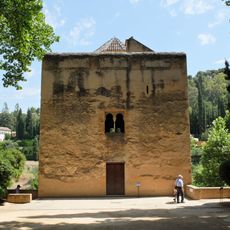
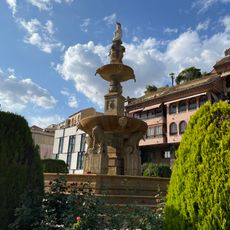
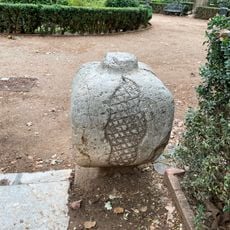
Remains and archaeological sites of the kingdom are scattered across Granada and Málaga provinces, some within museums and others as open archaeological areas. Visitors should prepare for uneven terrain and mountainous topography when exploring these locations.
The last ruler Abdallah ibn Buluggin left behind detailed memoirs documenting his personal account of ruling the kingdom and witnessing its decline. These autobiographical writings offer rare insight into how a medieval Islamic leader experienced the final years before conquest.
The community of curious travelers
AroundUs brings together thousands of curated places, local tips, and hidden gems, enriched daily by 60,000 contributors worldwide.