Pego, municipality located in the province of Alicante, Spain
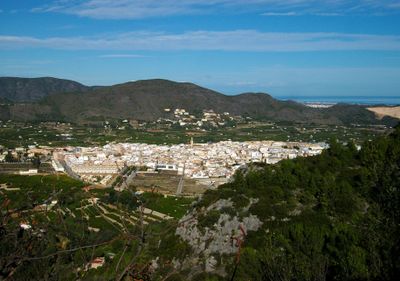
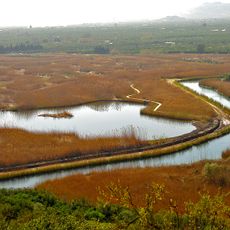
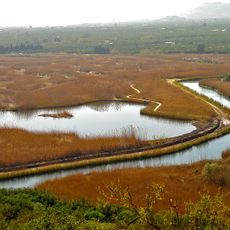
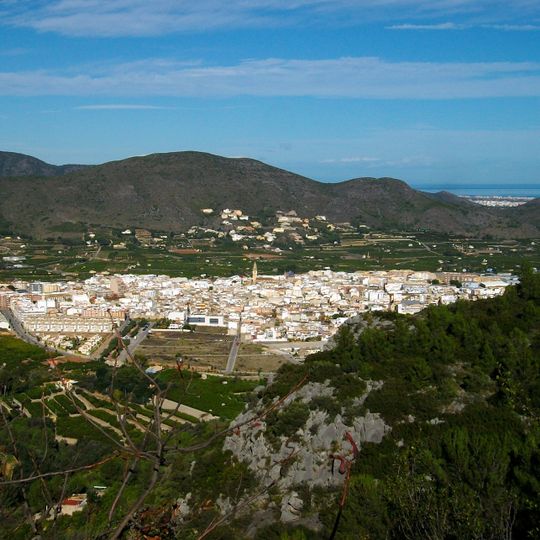
Pego is a small municipality in the Marina Alta region of Alicante province, situated between hills and nature reserves. The center features narrow streets lined with traditional white-walled houses and red-tile roofs, while the surrounding area consists of farmland, rice fields, and protected wetlands such as Marjal de Pego-Oliva.
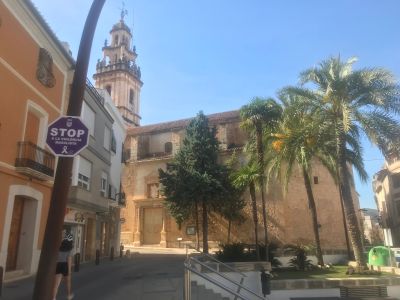
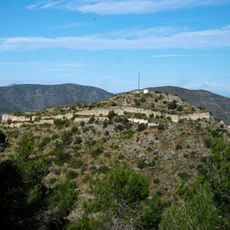
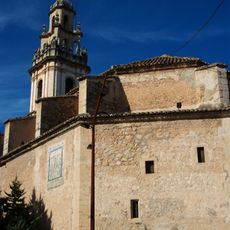
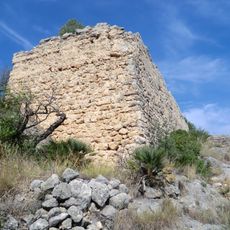
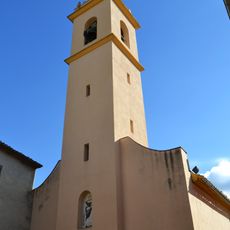
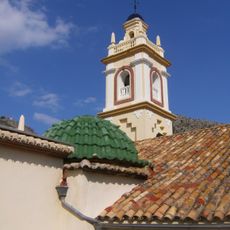
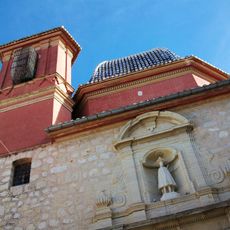
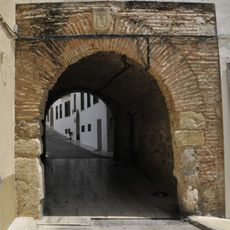
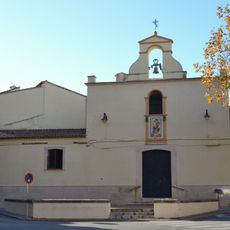
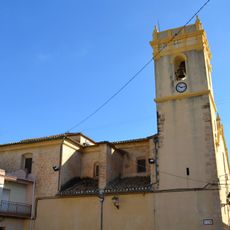
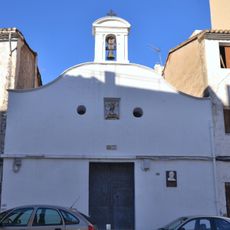
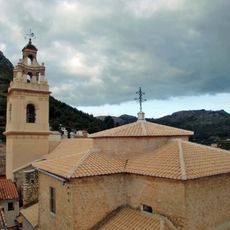
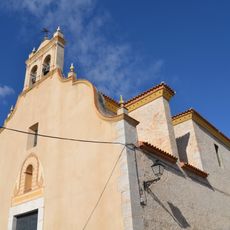
The settlement traces its roots to Roman times but developed primarily as an agricultural community with a significant Muslim past, evidenced by ancient walls and a preserved gate still visible in town. The Church of La Asunción was constructed between the 16th and 17th centuries, displaying Renaissance and Baroque styles, followed later by other religious structures such as the El Ecce-Homo Church.
Pego carries the name of an ancient settlement and functions today as a community where old and new customs blend together. During religious festivals, processions wind through town in traditional dress, and the central square fills with locals gathering to share stories and meals.
The town is within reach of beaches and several walking trails that wind through hills and nature reserves, including routes through Sierra de Segaria and Sierra de la Mariola. Visitors find good conditions for gentle hikes and wildlife watching in the wetlands, where paths for walking and biking run alongside rice fields.
The Marjal de Pego-Oliva wetland reserve hosts one of the region's most active bird habitats and is home to flamingos and numerous other species rarely seen elsewhere. This area demonstrates how rice farming and nature conservation coexist, making it an unexpected destination for those interested in watching birds and experiencing working agricultural landscapes.
The community of curious travelers
AroundUs brings together thousands of curated places, local tips, and hidden gems, enriched daily by 90,758 contributors worldwide.