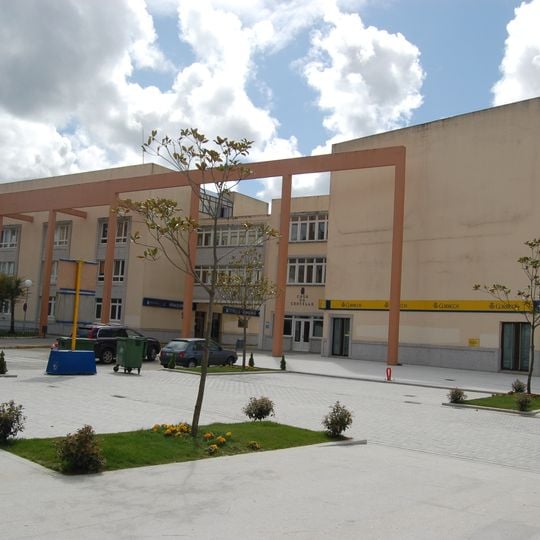
Cee, municipality of Spain
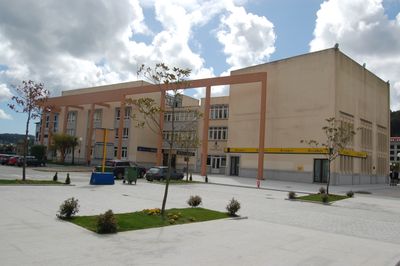
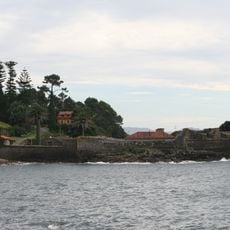
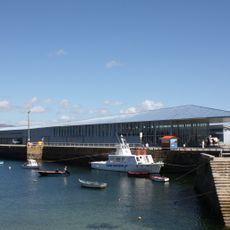
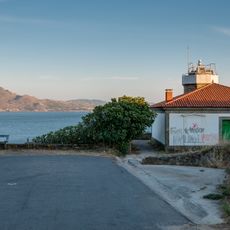
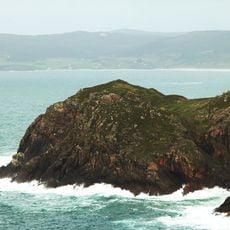
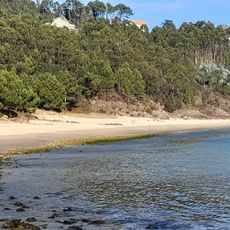
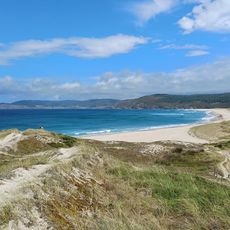
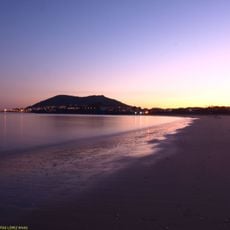
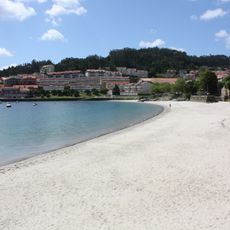
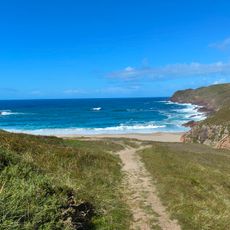
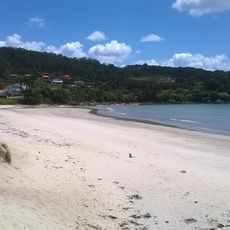
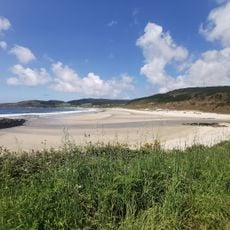
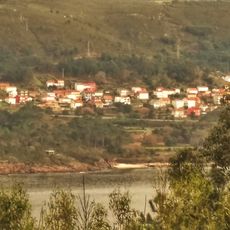
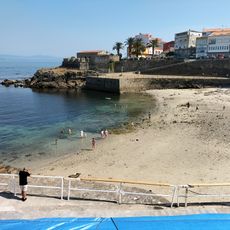
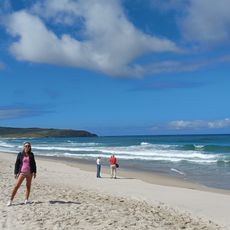
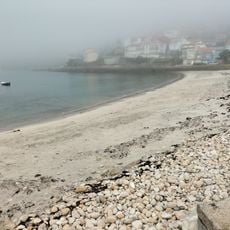
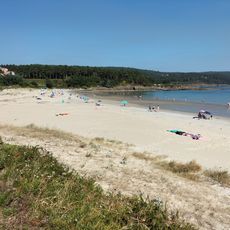
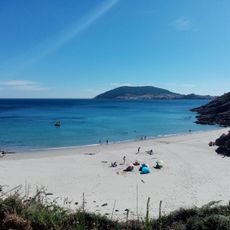
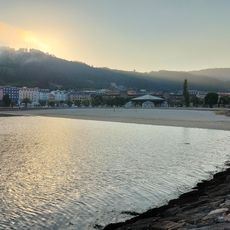
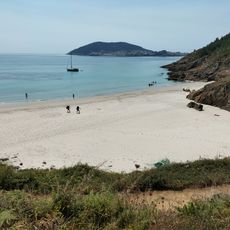
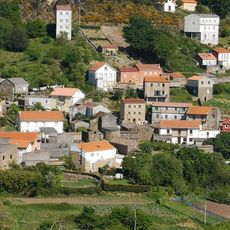
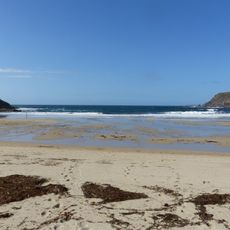
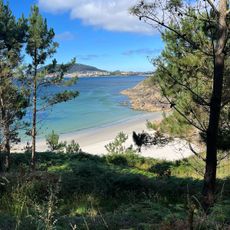
Cee is a small municipality in A Coruña province in Galicia featuring narrow streets and old stone buildings from different periods. The town stretches along a coastal area with several beaches including Playa de la Concha in the town center and Playa de Lires by the cliffs, plus a recently built promenade overlooking Ría de Corcubión.
The earliest inhabitants were the Nerios, ancestors of the Celts, and the name may derive from a Celtic word or the Latin word for whale. From the 16th century onward, whaling defined the town's economy, while the church Virxe da Xunqueira was built in that same period and rebuilt in the 1800s following French attacks.
The name Cee possibly derives from a Latin word for whale, reflecting the town's deep connection to the sea and its historical whaling traditions. The narrow streets and stone houses preserve a way of life where fishing and maritime heritage remain woven into daily routines and community gatherings.
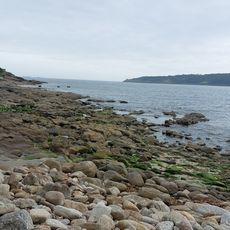
Exploring the town on foot or by bicycle is straightforward with marked paths available and beaches easily accessible from the center. Walking along the coast offers views of rocky cliffs and calm waters, while hiking up nearby Monte Pindo suits visitors of various fitness levels and provides panoramic views of the surrounding area.
A statue of the Virgin Mary legendarily found in the reeds of the estuary became the symbolic center of the community and remains venerated in the church Virxe da Xunqueira today. This demonstrates how a single legendary discovery shaped the religious and cultural identity of the place for centuries.
The community of curious travelers
AroundUs brings together thousands of curated places, local tips, and hidden gems, enriched daily by 92,702 contributors worldwide.