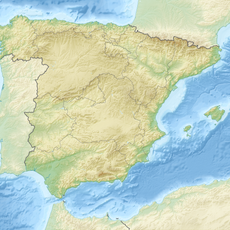
La Moraña, Rural region in northern Ávila province, Spain.
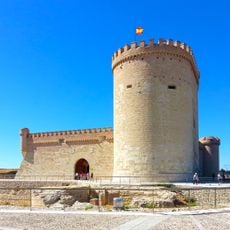
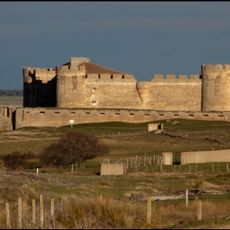
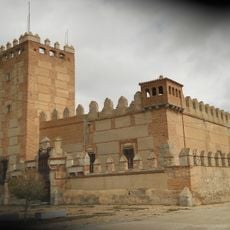
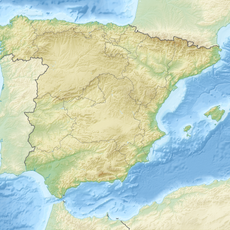
La Moraña is a rural comarca in the northern part of Ávila province, set on a wide plateau in the heart of Castile. The land is mostly flat with gentle hills, and small traditional villages are spread across the farming fields that cover most of the territory.
From the 10th century onward, Mozarab and Muladí communities resettled this territory after Arab expansion had displaced the earlier population. Their presence left visible marks in the village churches and town layouts that remain across the region today.
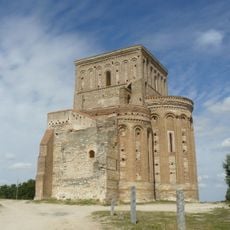
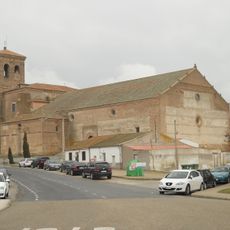
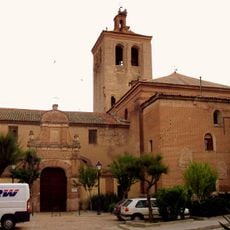
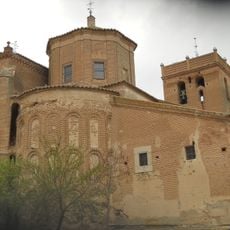
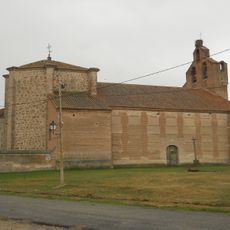
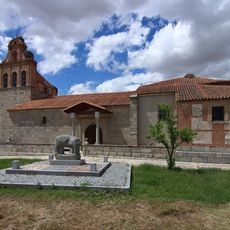
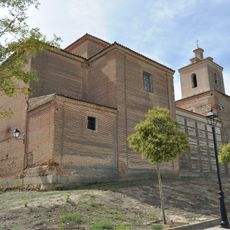
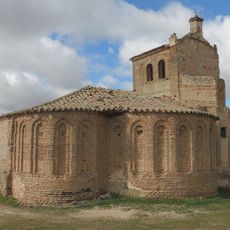
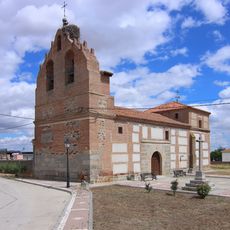
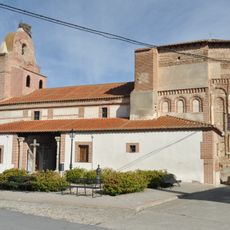
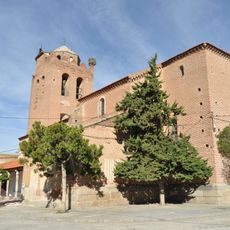
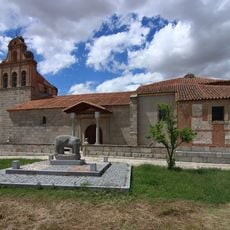
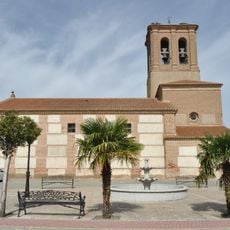
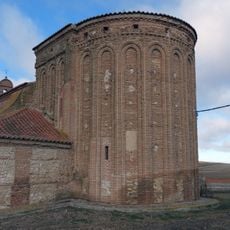
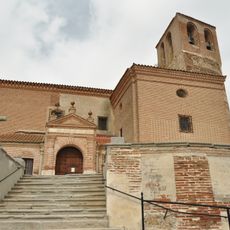
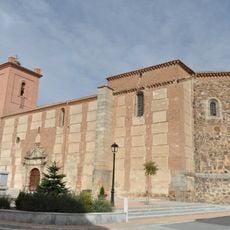
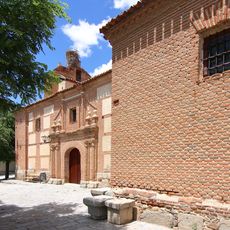
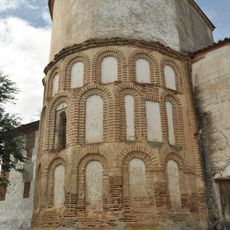
The villages across the region are home to many small churches built in the Romanesque-Mudéjar style, where brick and stone come together in a way typical of old Castile. The church of San Nicolás de Barí in Arévalo is one of the most recognized examples of this tradition in the area.
The region has cold winters and short summers, so the months from spring to early autumn are usually the most comfortable time to visit. Smaller roads connecting the villages can be harder to drive after rain, so it is worth checking conditions in advance.
Scattered across the territory are shallow natural lakes called lavajos, which were once used as water sources for farming and livestock. These wetlands are still visible today and shaped the position of many villages and fields, which is why so many settlements grew up close to them.
The community of curious travelers
AroundUs brings together thousands of curated places, local tips, and hidden gems, enriched daily by 60,000 contributors worldwide.