Mungia, municipality in Basque Country, Spain
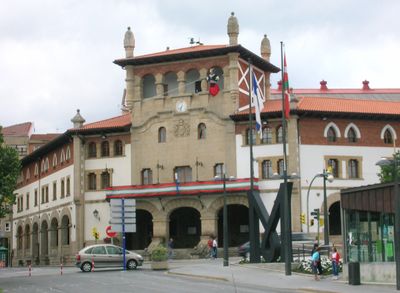
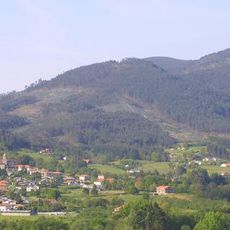
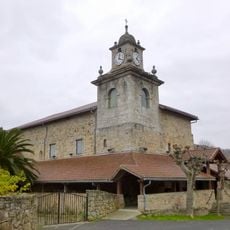
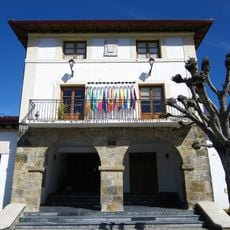
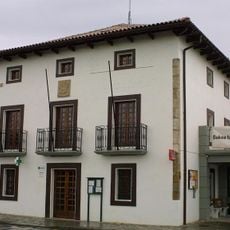
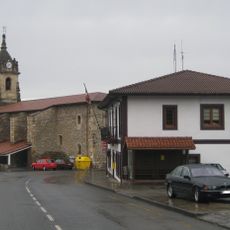
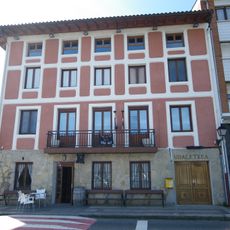
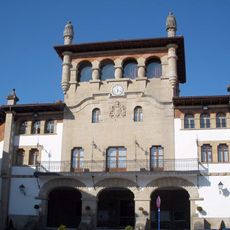
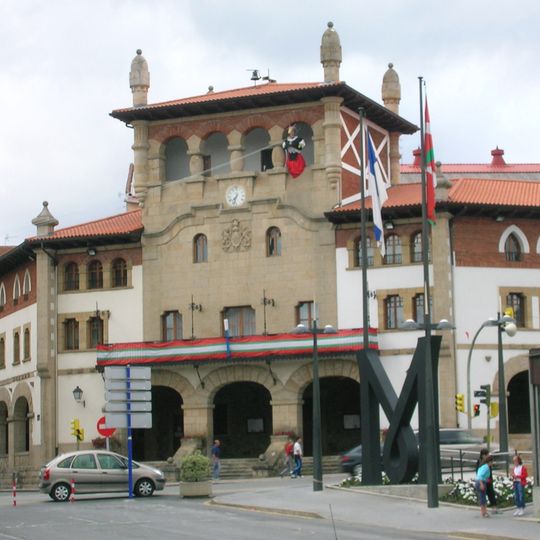
Mungia is a small town in the Uribe-Kosta comarca, in the province of Bizkaia in the Basque Country of Spain, set among green hills close to the Atlantic coast. It has a compact center with stone buildings, a church square, and narrow lanes, surrounded by farmland and meadows.
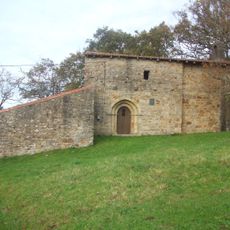
Mungia was granted official town status in 1376 by royal decree, which marked a turning point in how the settlement was governed and organized. The area had been inhabited long before that date, as old farmsteads and church remains scattered around the countryside suggest.
The name Mungia comes from a Basque word referring to a hill or elevated ground, which matches the town's setting. Every Friday, an open market fills the main square, where farmers from nearby villages sell vegetables, cheese, and other local produce directly to buyers.
The town center is easy to explore on foot since distances are short and the layout is straightforward. The Friday market is a good starting point for a visit, and those planning to walk into the surrounding countryside should wear sturdy shoes as paths can be uneven.
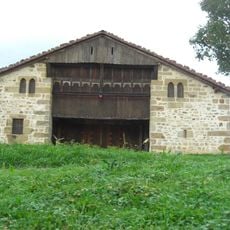
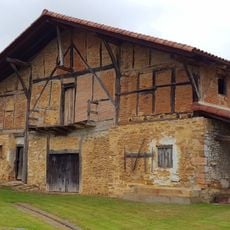
The farmstead Landetxo Goikoa, built in the early 1500s, was not demolished but converted into a center dedicated to Basque mythology and oral traditions. Visitors can explore displays about ancient legends inside a building where farming families lived for centuries.
The community of curious travelers
AroundUs brings together thousands of curated places, local tips, and hidden gems, enriched daily by 91,383 contributors worldwide.