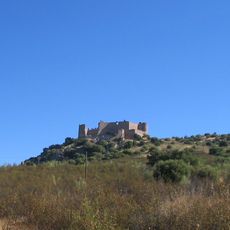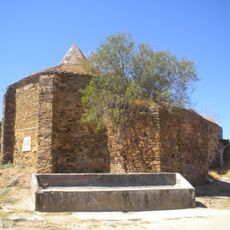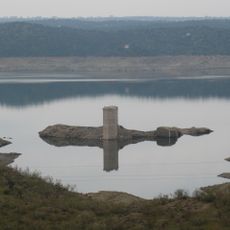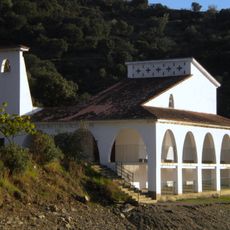
Alconétar Bridge, Roman bridge ruins in Garrovillas de Alconétar, Spain
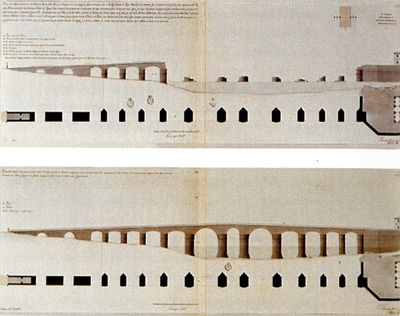
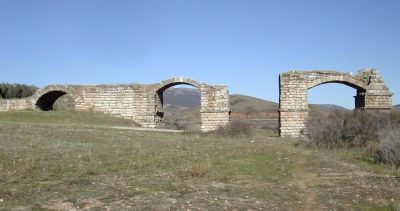
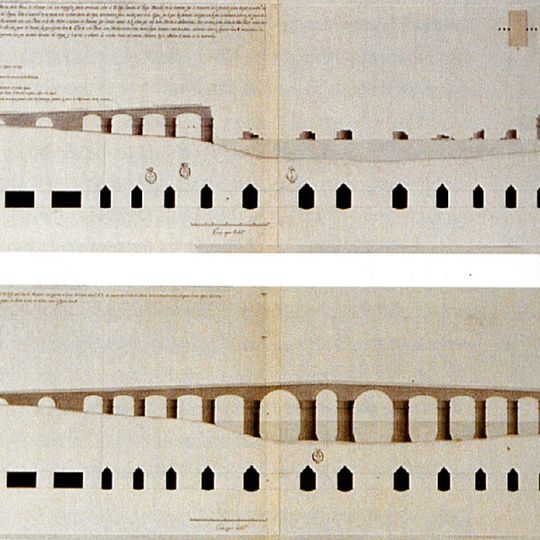
Alconétar Bridge is a Roman stone crossing spanning approximately 290 meters across the Tagus River with segmented arch construction. Two original arches with spans of about 6.7 and 7.2 meters survive today, showcasing the engineering approach used by Roman builders during this period.
Built during the second century under either Trajan or Hadrian, this structure formed part of the Via de la Plata trade route. This ancient road connected Mérida and Astorga, making the crossing a vital link in regional commerce and travel.
This crossing served as a vital connection in the Roman trade network across Hispania, linking distant communities through a reliable passage. When you walk here today, you can sense how this structure shaped the movement of people and goods across the region.
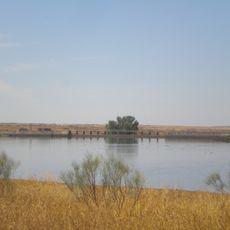
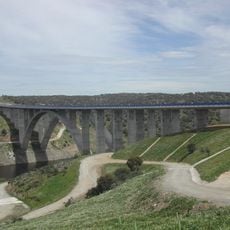
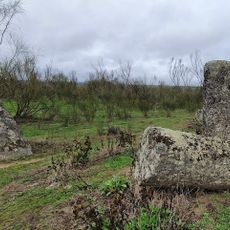
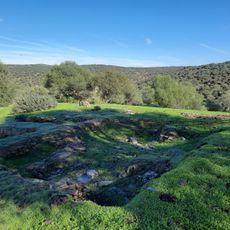
You can walk around the site to examine the preserved sections from different angles and get a sense of the original bridge's scale. The surrounding landscape helps orient you and makes it easier to understand how this crossing once functioned in its natural setting.
This crossing represents one of the earliest examples of segmental arch construction globally, developed before this technique spread to other regions. The engineers who designed this solution created a structure that would prove durable enough to outlast empires.
The community of curious travelers
AroundUs brings together thousands of curated places, local tips, and hidden gems, enriched daily by 60,000 contributors worldwide.