Alaquàs, municipality of Spain
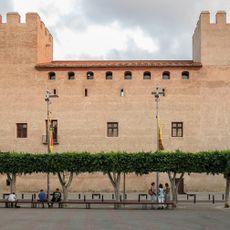
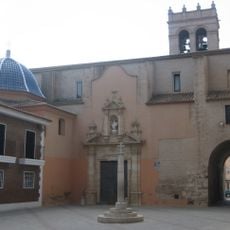
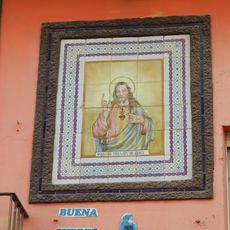
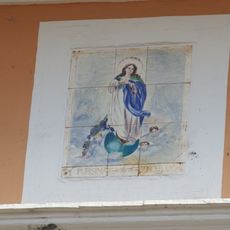
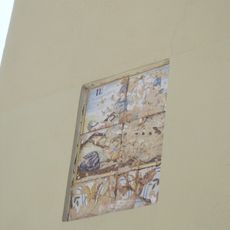
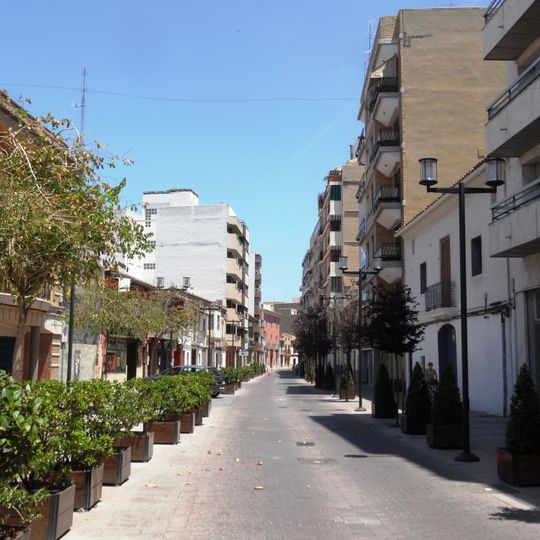
Alaquàs is a small municipality in Valencia Province, located in the Horta Sud area of Spain. The town features a mix of old and new buildings, with the Renaissance-era Aguilar Palace standing as its centerpiece, displaying ornate ceramic tiles from the 13th and 14th centuries within its walls and towers.
Alaquàs has Moorish roots, reflected in its Arabic name, and was historically a fortified settlement of strategic importance. The castle-palace was built in the 16th century during the Renaissance period as a fortress and residence for local nobles.
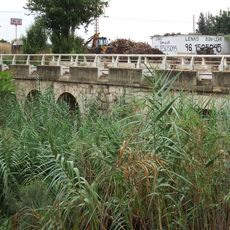
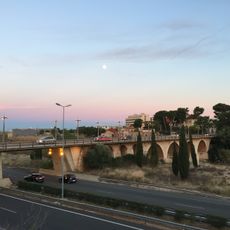
The name Alaquàs comes from Arabic and means 'the Arches', possibly referring to a Moorish bridge. This connection to the Moorish past shapes how the town sees itself today, with residents proud of their long history and the traditions that tie them to earlier times.
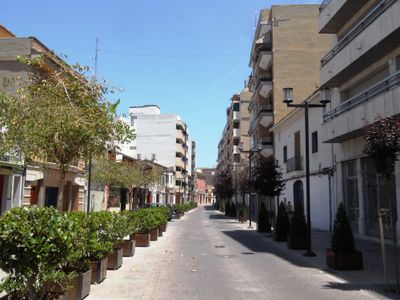
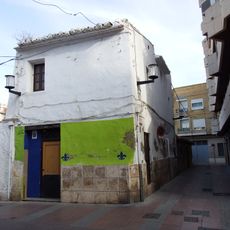
The town is easily reached from Valencia by bus or train, making it convenient for visitors. The main streets are filled with small shops and cafes serving local food, while the narrow streets of the old quarter invite leisurely walks through the historic core.
The town is known for its Carxofa, a traditional song celebrating the artichoke, a local crop honored during yearly festivals with singing contests and celebrations. This unusual blend of folklore and agriculture forms a distinctive part of local identity that few visitors expect to find.
The community of curious travelers
AroundUs brings together thousands of curated places, local tips, and hidden gems, enriched daily by 91,397 contributors worldwide.