Province of Valencia
Province of Valencia, Administrative province in eastern Mediterranean Spain
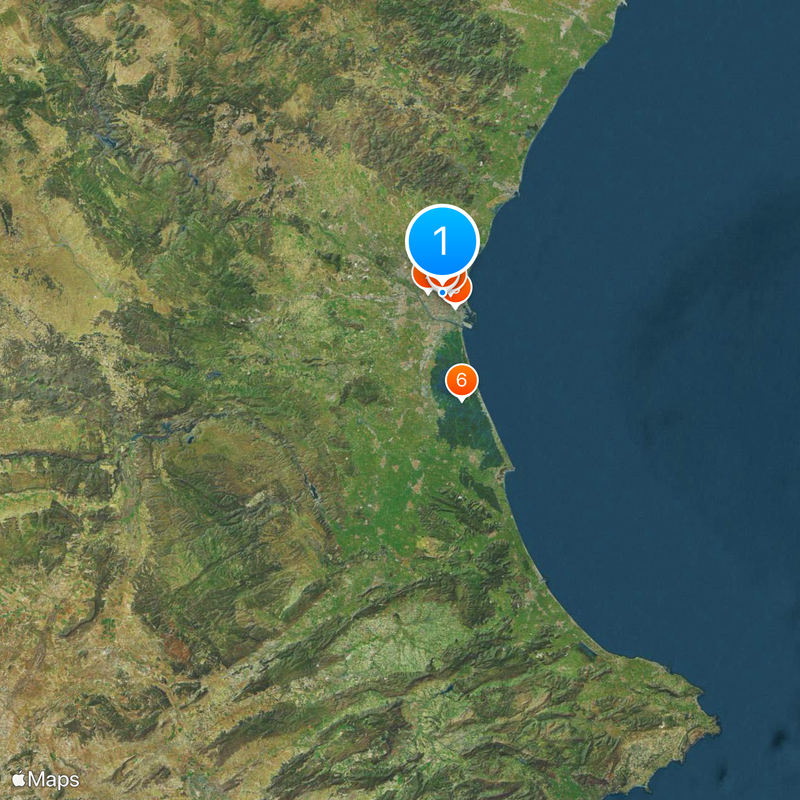
The Province of Valencia is an administrative unit on the eastern Mediterranean coast of Spain. It borders the province of Castellón to the north, Aragón and Castilla-La Mancha to the west, and the province of Alicante to the south.
The administrative structure emerged in the early 19th century during Spain's territorial reorganization. Later it became part of the autonomous community of Valencia, recognized after the 1978 constitution.
The administrative area takes its name from the Roman settlement Valentia. Along the coast and inland, locals speak both Castilian and the Catalan variant Valencian in daily life, visible on street signs and in public institutions.
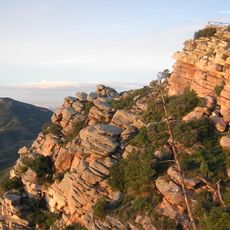
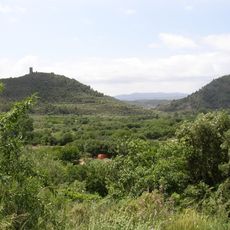
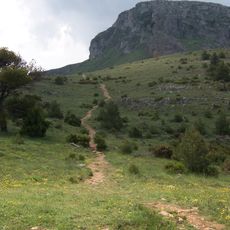
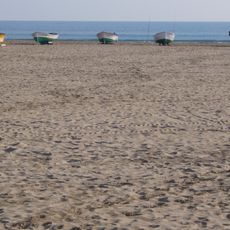
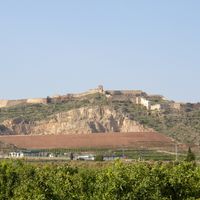
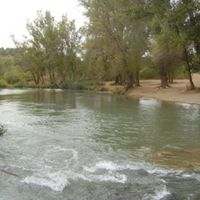
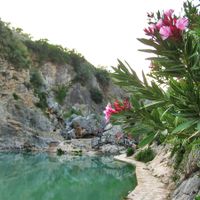
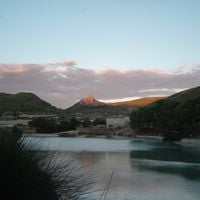
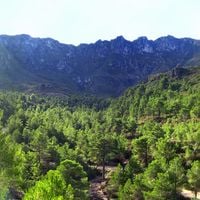
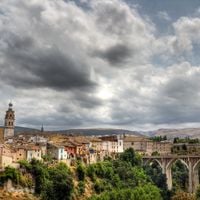
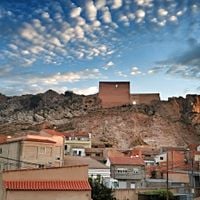
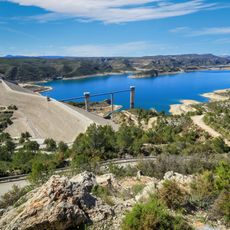
Travelers exploring the area will find Mediterranean coastal towns as well as rural communities further inland. The western mountainous zones differ sharply from the eastern plains and beaches, so visitors can choose different zones depending on their interests.
A small portion of the administrative area lies completely isolated from the rest and is surrounded by the territories of two other provinces. This zone in the northwest is reachable only by a road passing through foreign territory, making it a peculiar geographical oddity.
Location: Valencian Community
Capital city: Valencia
Elevation above the sea: 361 m
Shares border with: Castellón, Teruel Province, Cuenca Province, Albacete Province, Province of Alicante
Website: http://dival.es
GPS coordinates: 39.47722,-0.37667
Latest update: December 4, 2025 23:05
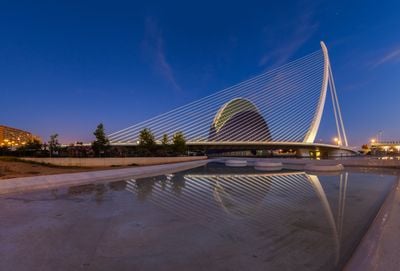
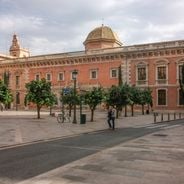
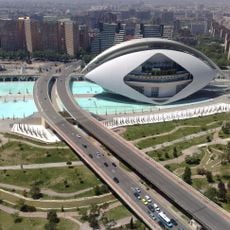
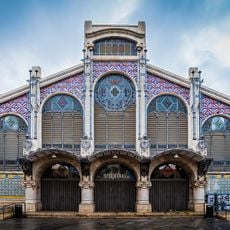
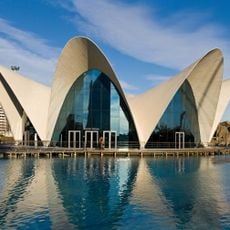
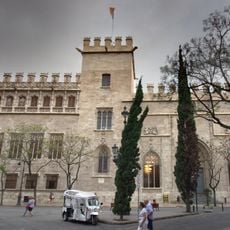
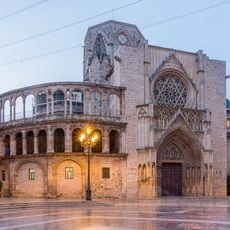
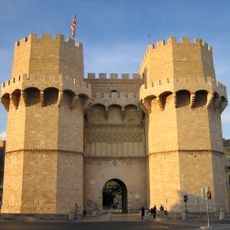
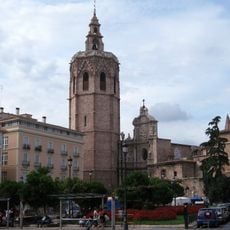
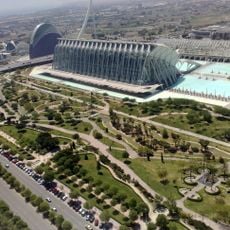
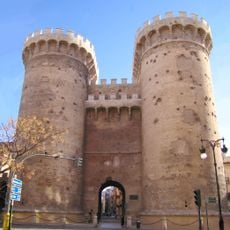
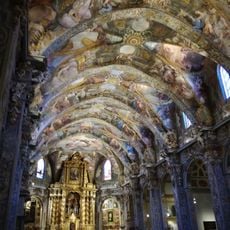
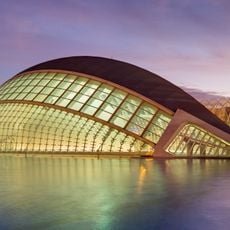
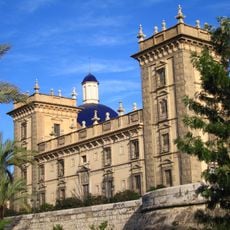
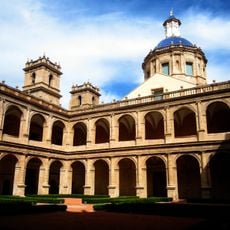
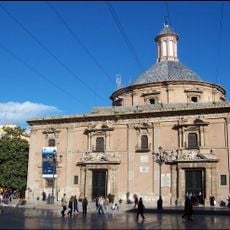
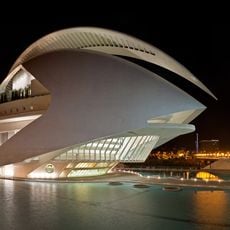
Valencia shows its history through the ages, from Roman ruins hidden beneath the Place de la Vierge to the modern buildings of the City of Arts and Sciences. The old town keeps gates from the 15th century like the Torres de Quart, gothic churches with baroque frescos, and the Silk Exchange with its twisted columns that recall the town’s trading past. The Central Market, open since 1928, still has hundreds of stalls where local products are sold. The city is built around the old riverbed of the Turia, turned into a park that connects the older neighborhoods with the new areas. Beaches with soft sand are just a few minutes from the city center along the Mediterranean. The Fine Arts Museum has Spanish paintings from the 14th to the 20th century, while the Oceanographic displays thousands of sea creatures in its underwater towers. Between Gothic cathedrals and modern buildings, Valencia invites visitors to walk its streets and see how old and new parts of the city sit side by side.
Basilica of Our Lady of the Forsaken
195 m
Palau de la Generalitat Valenciana
58 m
Palace of the Borgias
188 m
Portal de la Valldigna
181 m
Casa de les Roques
203 m
Palau de Castellfort
88 m
Palau dels Català de Valeriola
125 m
Museo de Soldaditos de Plomo L’Iber
145 m
Teatre Talia
135 m
Palau del Marqués de la Scala
39 m
Palau de la Batlia
12 m
Casa de la Ciutat
99 m
Casa Peris
76 m
Escalante Centre Teatral
144 m
Torre de Sant Bartomeu
20 m
Serrans and Palomino streets air raid shelter
119 m
Palau dels Mercader
197 m
Museo de Soldaditos de Plomo L’Iber
137 m
Àngel Tower
137 m
Casa Vestuari
173 m
Edifici Cánovas
144 m
Church of Saint Lawrence, València
174 m
Palau de Cerveró
103 m
Plaza de la Virgen
150 m
Muralla Árabe
134 m
Fountain of Plaça del Correu Vell, Valencia
189 m
Convent of Puritat i Sant Jaume
55 m
Font del Negret
137 mReviews
Visited this place? Tap the stars to rate it and share your experience / photos with the community! Try now! You can cancel it anytime.
Discover hidden gems everywhere you go!
From secret cafés to breathtaking viewpoints, skip the crowded tourist spots and find places that match your style. Our app makes it easy with voice search, smart filtering, route optimization, and insider tips from travelers worldwide. Download now for the complete mobile experience.
A unique approach to discovering new places❞
— Le Figaro
All the places worth exploring❞
— France Info
A tailor-made excursion in just a few clicks❞
— 20 Minutes