Sa Caleta Phoenician Settlement, Archaeological settlement site in Ibiza, Spain
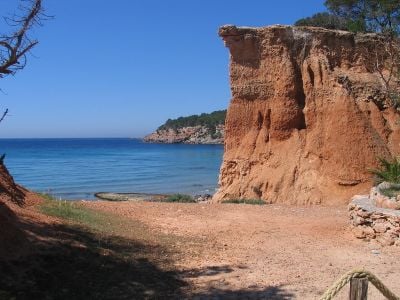
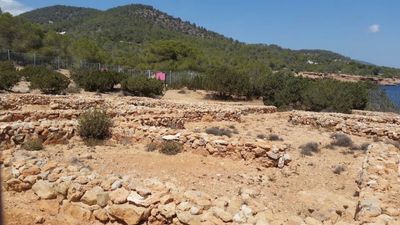
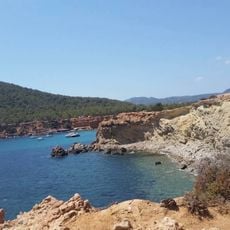
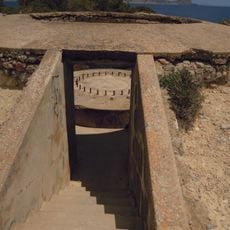
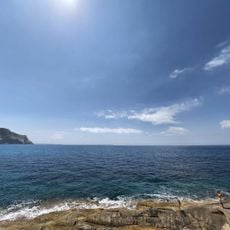
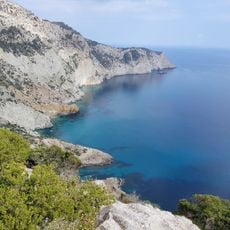
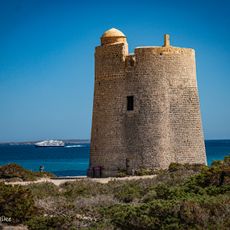
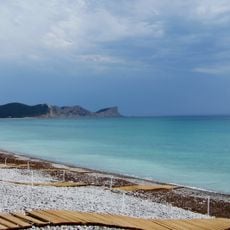
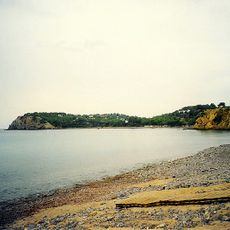
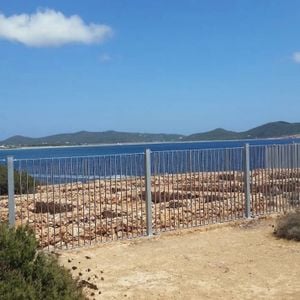
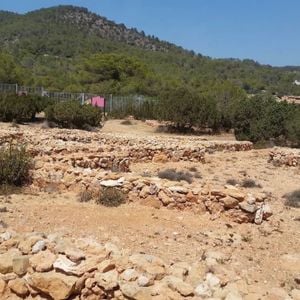
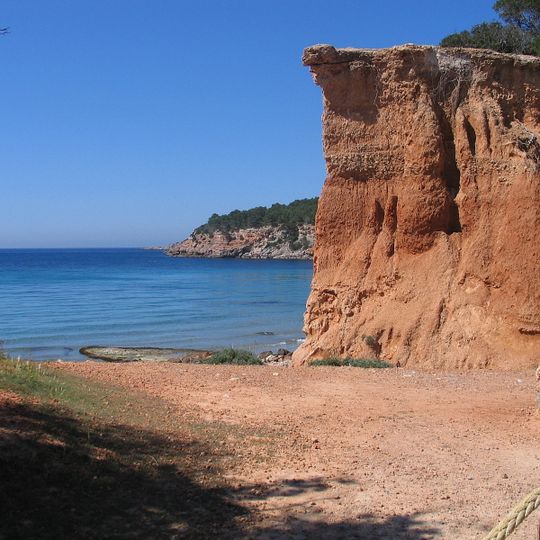
Sa Caleta Phoenician Settlement is an ancient coastal village on a rocky peninsula with stone foundations showing residential buildings and craft workshops. The remains spread across four hectares with visible streets and open spaces connecting the different structures.
Phoenician settlers established this coastal community around 654 BC with stone and mud-brick construction before abandoning it before 600 BC. The relocation to nearby areas eventually led to the founding of present-day Ibiza Town.
The settlement layout reveals how Phoenician families organized shared courtyards and narrow passages between their homes to manage the harsh coastal wind. This building pattern influenced later Mediterranean village design for centuries.
The site has protective railings around the excavated structures and informational panels explaining the layout. Visit during cooler months when possible, as the location offers little shade and can be very exposed to sun.
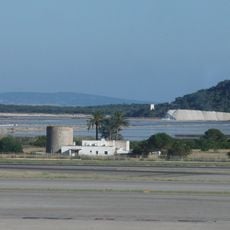
Phoenicians began commercial salt production here by collecting crystallized deposits from natural marshes during summer months. This activity marked the start of economic activities on Ibiza and shaped the island's development for centuries.
The community of curious travelers
AroundUs brings together thousands of curated places, local tips, and hidden gems, enriched daily by 91,645 contributors worldwide.