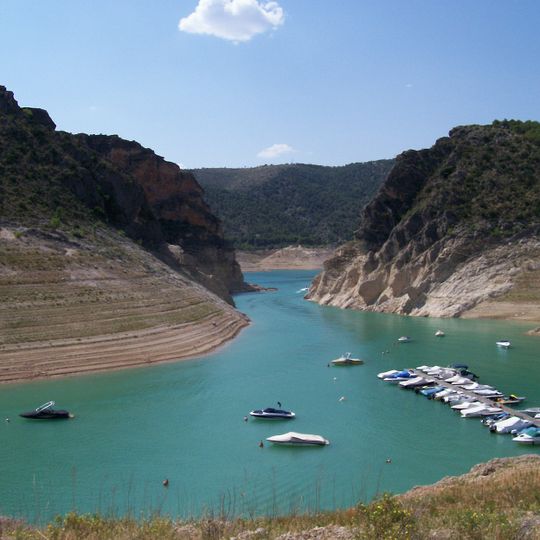
Mar de Castilla, Reservoir in Spain
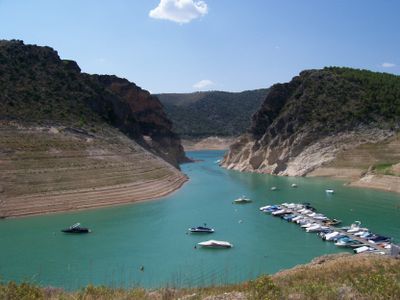
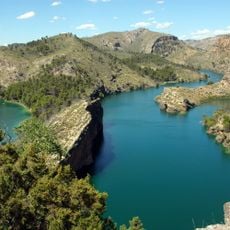
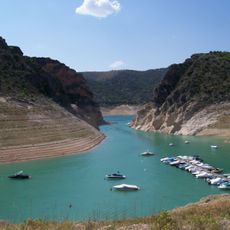
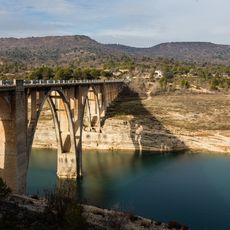
Mar de Castilla is a system of multiple reservoirs spanning across Guadalajara and Cuenca provinces in central Spain. The main bodies of water, including Entrepeñas, Buendía, and Bolarque lakes, form an expansive aquatic landscape surrounded by Mediterranean forests of pines and rocky slopes where the Guadiela and Tajo rivers meet.
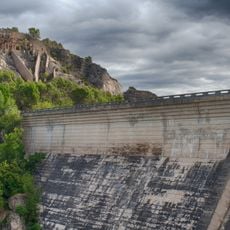
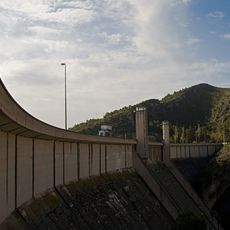
The reservoirs were constructed in the 1950s on the Tajo river to generate electricity and manage water supply for surrounding regions. Bolarque, the oldest installation completed in 1910, was one of Spain's first hydroelectric plants and later expanded with additional reservoirs like Entrepeñas and Buendía.
The reservoirs have multiple access points with parking areas, beaches, and facilities for water sports such as kayaking and paddleboarding. During peak summer days, parking can fill quickly and entry may be restricted to manage visitor numbers.
The area protects an ecological corridor where raptors like vultures, falcons, and herons nest in the rocky cliffs above the water. Kayakers and paddleboarders can observe these birds in their natural habitat from the water while respecting restricted areas near nesting sites.
The community of curious travelers
AroundUs brings together thousands of curated places, local tips, and hidden gems, enriched daily by 60,000 contributors worldwide.