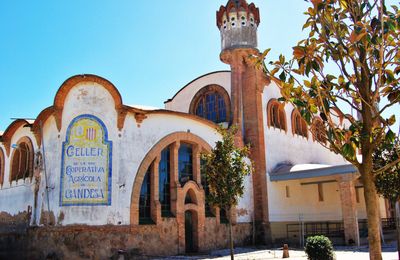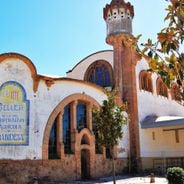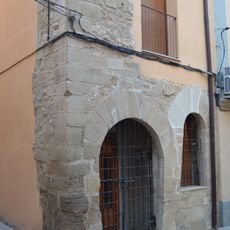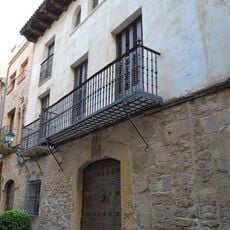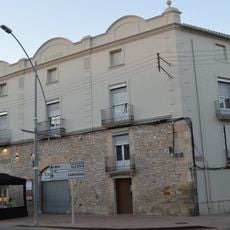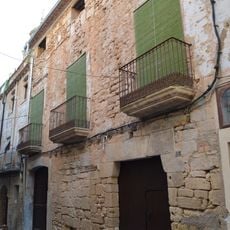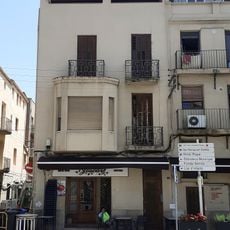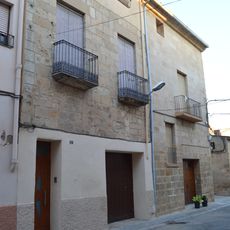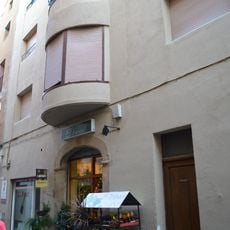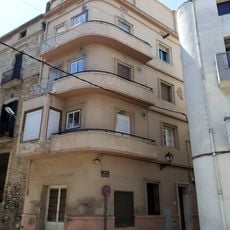
Cooperative Wine Cellar, Modernist wine cellar in Gandesa, Spain
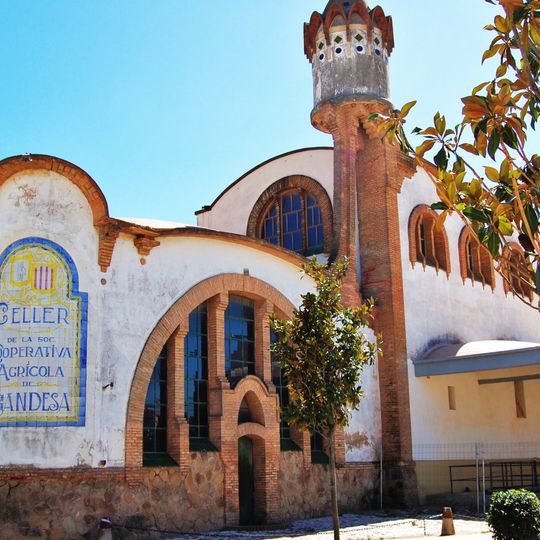
The Cooperative Wine Cellar in Gandesa is a storage facility for winemaking with high vaulted ceilings, exposed brick walls, and parabolic arches. Architect César Martinell i Brunet designed it in 1919 and included advanced ventilation systems to ensure wine quality.
The building emerged during the early Catalan cooperative movement of the twentieth century, when local growers pooled their resources. This cooperation allowed small producers to work together on quality wines and strengthen their market position.
The building displays modernist features with curved forms and decorative details that shape the interior space. The high vaulted ceilings and brick walls reflect how workers once moved through the building while processing grapes.
Visitors can tour the building and learn about winemaking methods and architectural features. The site is best reached on foot and sits near the town center, where other local attractions are easy to explore.
Architect César Martinell had studied under Antoni Gaudí and brought modernist techniques to agricultural buildings. His work shows how sophisticated design appeared in humble production facilities, not just in palaces or churches.
Location: Gandesa
Inception: 1919
Architects: Cèsar Martinell i Brunet
Architectural style: Catalan modernism, Art Nouveau
Address: Avinguda de Catalunya, 28
Website: https://coopgandesa.com/es
GPS coordinates: 41.05489,0.44040
Latest update: December 6, 2025 17:44
In rural Catalonia, medieval villages, monasteries and natural areas survive from earlier centuries. The region contains Roman villas, Gothic churches, castle ruins and waterfalls. These locations span from mountains to Mediterranean shores. The collection shows different sides of this landscape. Villages like Rupit, Santa Pau and Besalú keep their medieval layout. Monasteries such as Sant Pere de Rodes and Poblet speak to religious history. Natural sites like Fageda d'en Jordà and Congost de Mont-rebei reveal Catalan geography. Gardens at Cap Roig and Parc del Laberint d'Horta display human craft alongside nature. Visit these places to see how people lived and continue to live in Catalonia. Each site tells its own story through buildings, land forms or local work. Journeying through these locations takes you across different times and regions of Catalonia.
Casa Baronesa de Purroy
320 m
L'Assumpció
355 m
Museu Memorial de la Batalla de l'Ebre
115 m
Ajuntament de Gandesa
343 m
Presó (Gandesa)
387 m
Creu de terme coberta
371 m
Casa de l'Inquisidor
412 m
Casa Serrano i Sunyer
325 m
Fonda de P. Manyà
181 m
Casa Cervelló
359 m
Casa la Miguela
175 m
Casa Rallo
299 m
Casa Paladella
467 m
Casa Pedrol
223 m
Casa Cerer
378 m
La Germandat
273 m
Casa Pradell
254 m
Casa Liori
348 m
Casa Redó
326 m
Porxos de la plaça de l'Església
371 m
Antic Escorxador Municipal de Gandesa
485 m
La Rectoria
368 m
Ca Tomaset
233 m
Cal Morrut
368 m
Casa Serretes
268 m
Casa Calixto
92 m
Casa Trinquet
56 m
Biblioteca de Gandesa - Doctor Mossèn Joan Baptista Manyà i Alcoverro
214 mReviews
Visited this place? Tap the stars to rate it and share your experience / photos with the community! Try now! You can cancel it anytime.
Discover hidden gems everywhere you go!
From secret cafés to breathtaking viewpoints, skip the crowded tourist spots and find places that match your style. Our app makes it easy with voice search, smart filtering, route optimization, and insider tips from travelers worldwide. Download now for the complete mobile experience.
A unique approach to discovering new places❞
— Le Figaro
All the places worth exploring❞
— France Info
A tailor-made excursion in just a few clicks❞
— 20 Minutes