See the monuments around you in AROpen chests in the app
Around Us is built for your phone — point your camera at the streets and discover the monuments and places around you in augmented reality.Around Us is built for your phone — chests unlock when you walk, explore and capture nearby places.
In rural Catalonia, medieval villages, monasteries and natural areas survive from earlier centuries. The region contains Roman villas, Gothic churches, castle ruins and waterfalls. These locations span from mountains to Mediterranean shores.
The collection shows different sides of this landscape. Villages like Rupit, Santa Pau and Besalú keep their medieval layout. Monasteries such as Sant Pere de Rodes and Poblet speak to religious history. Natural sites like Fageda d'en Jordà and Congost de Mont-rebei reveal Catalan geography. Gardens at Cap Roig and Parc del Laberint d'Horta display human craft alongside nature.
Visit these places to see how people lived and continue to live in Catalonia. Each site tells its own story through buildings, land forms or local work. Journeying through these locations takes you across different times and regions of Catalonia.
In rural Catalonia, medieval villages, monasteries and natural areas survive from earlier centuries. The region contains Roman villas, Gothic churches, castle ruins and waterfalls. These locations span from mountains to Mediterranean shores.
The collection shows different sides of this landscape. Villages like Rupit, Santa Pau and Besalú keep their medieval layout. Monasteries such as Sant Pere de Rodes and Poblet speak to religious history. Natural sites like Fageda d'en Jordà and Congost de Mont-rebei reveal Catalan geography. Gardens at Cap Roig and Parc del Laberint d'Horta display human craft alongside nature.
Visit these places to see how people lived and continue to live in Catalonia. Each site tells its own story through buildings, land forms or local work. Journeying through these locations takes you across different times and regions of Catalonia.
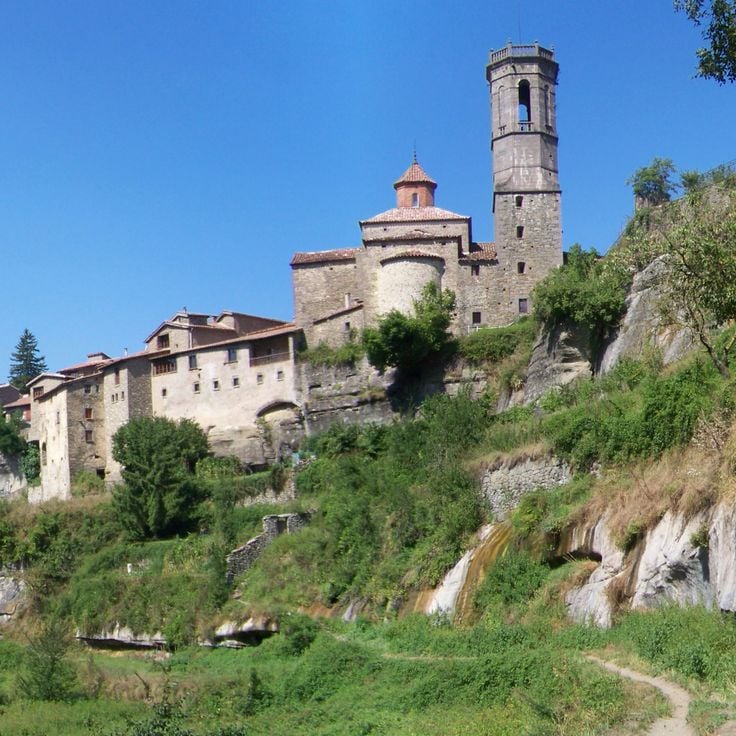
This 12th-century village sits on a rock formation in rural Catalonia, part of the region's preserved medieval heritage. Rupit features traditional Catalan stone houses with wooden balconies that blend into the natural landscape. It represents the kind of settlement you encounter throughout this area, where historic villages, monasteries and natural sites exist from the mountains to the Mediterranean coast.
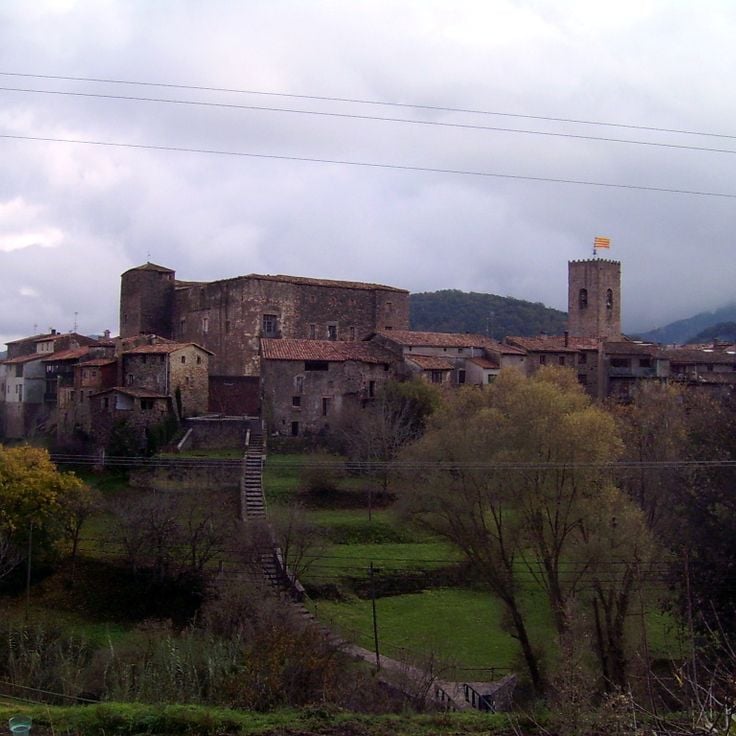
Santa Pau is a medieval settlement centered around a 13th-century Romanesque castle that overlooks the village. Set within the extinct volcanic landscape of Garrotxa, this place preserves the character of rural Catalonia. The castle and narrow streets tell the story of life in medieval times, when fortified villages protected the countryside. Surrounding the village are volcanic formations and natural areas that shape the local environment. Santa Pau represents the kind of small, enduring communities found throughout hidden corners of Catalonia.
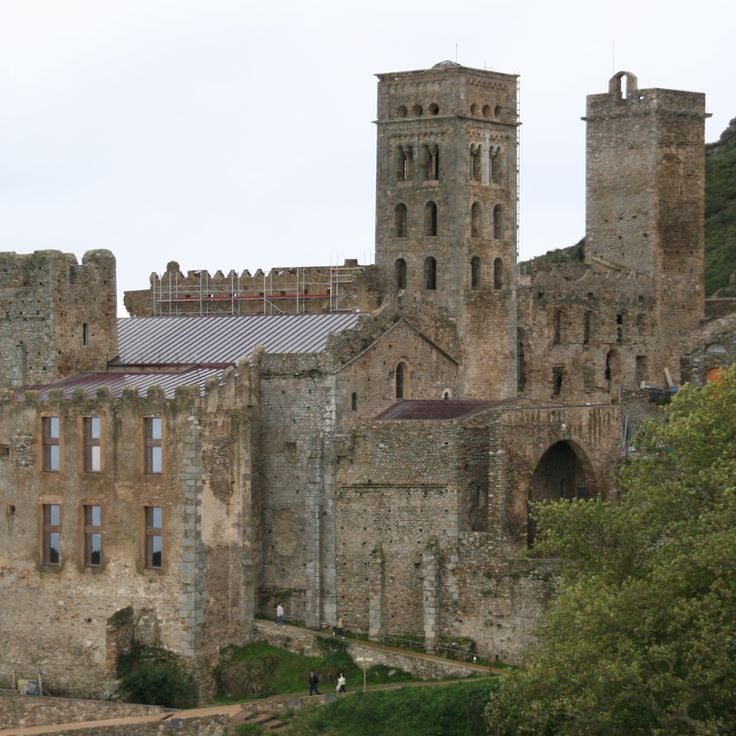
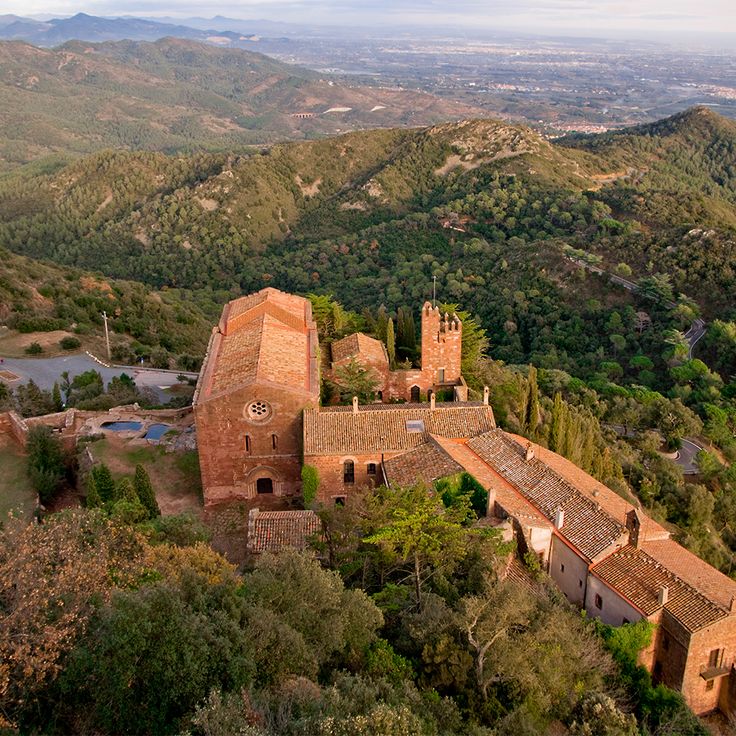
The Monastery of Sant Pere de Rodes is a Romanesque building from the 10th century standing on Mount Verdera in Alt Empordà. This monastery is one of the hidden places in rural Catalonia, where medieval villages, monasteries, and natural areas remain preserved. From its heights, it overlooks the Mediterranean Sea and the Costa Brava. The church displays Romanesque features with stone arches and simple geometric forms. Visitors reach the monastery on foot via a trail that winds through pine forests and offers views of the coastline below.
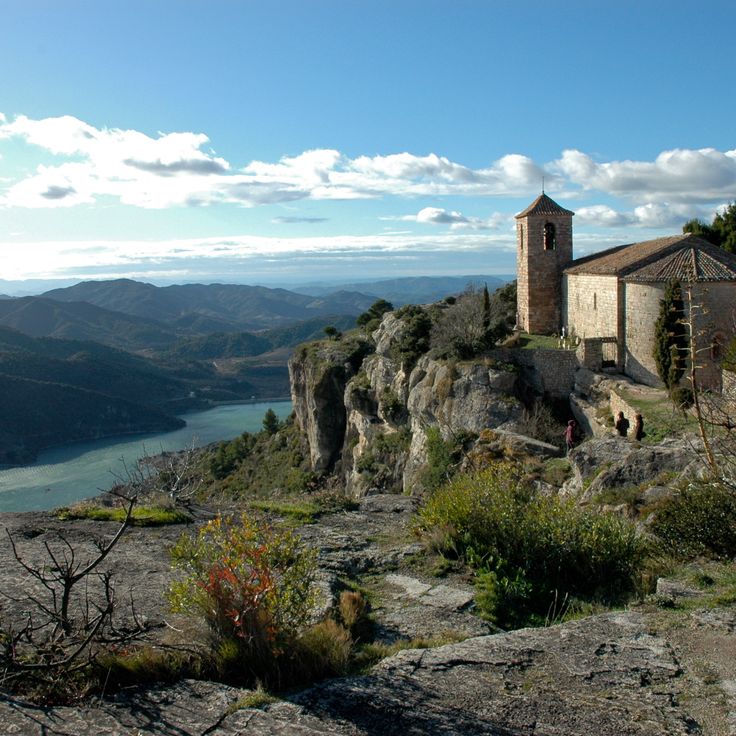
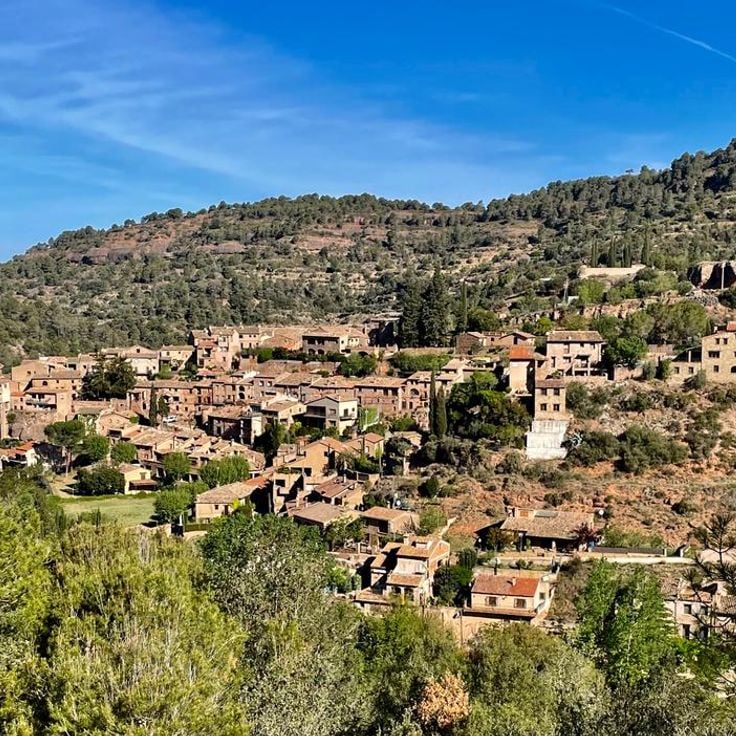
Siurana is a mountain village in this collection of hidden places in Catalonia, perched on a limestone plateau and preserving fortress remains from the 9th century. The village shows how people lived in medieval times across this rural region, surrounded by steep rocky cliffs and far from urban centers.
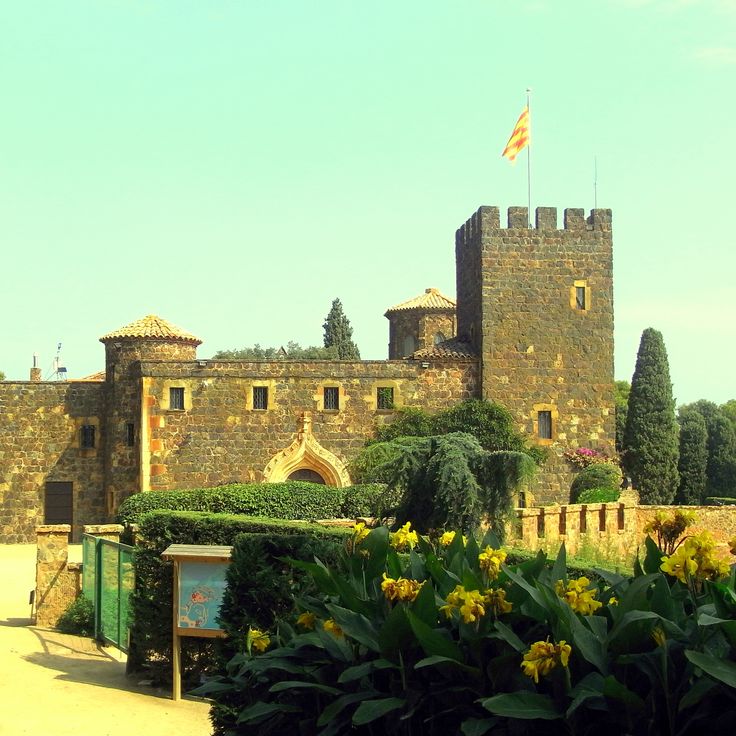
The Gardens of Cap Roig stand among the rural Catalan places where medieval heritage and nature exist side by side. This botanical garden spreads across multiple terraces with Mediterranean plants, sculptures and a 20th century castle. The location reveals the region's character through its blend of historical structures and natural surroundings.
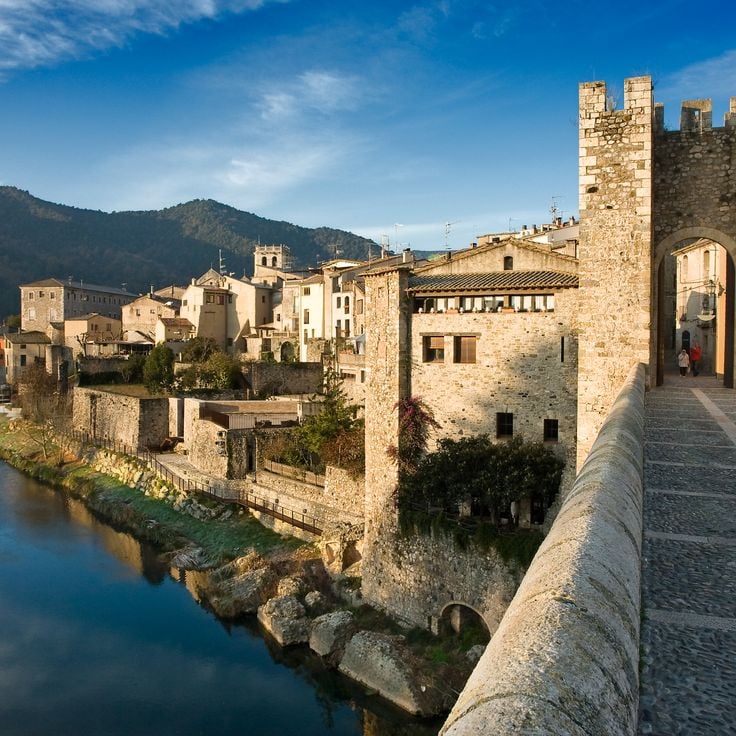
Besalú is a medieval town in the Garrotxa region, counting among the hidden places in rural Catalonia. The town is defined by an 11th century Romanesque bridge spanning the Fluvia river. A Jewish quarter speaks to the town's Jewish history. Romanesque churches shape the streetscape and reveal the religious past of this region.
Castellfollit de la Roca is a historic town that sits on a basalt cliff between two rivers in rural Catalonia. It is among the hidden places of the region, where medieval villages, monasteries, and natural areas remain preserved. This town with its dramatic cliff setting exemplifies the landscape that stretches from mountains to the Mediterranean coast.
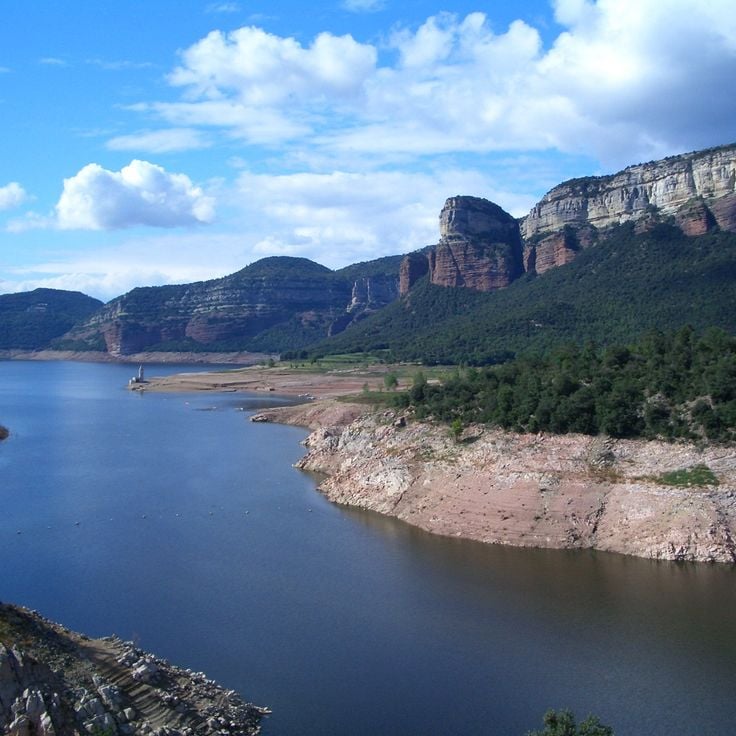
Panta de Sau is an artificial lake in rural Catalonia, where medieval structures and natural areas remain. The lake was created by damming and now offers hiking trails around its shores. The tower of the old Sant Romà church rises from the water, a reminder of the area's past. Visitors come here to hike, enjoy water sports, and explore the landscape where mountains meet the water's edge.
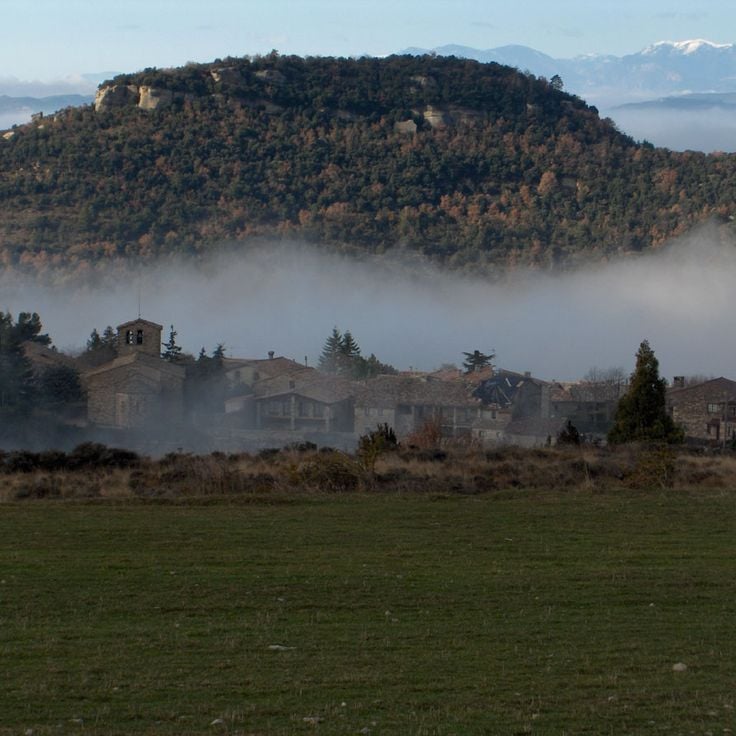
Mura is a village in rural Catalonia situated in the Bages region. This place sits at 450 meters elevation and displays stone houses built in the 17th century. The Church of Saint Martin, with its Romanesque design, stands as a focal point of the community. Mura represents one of the medieval villages that have survived in this mountainous area.
Tavertet is a village in Osona that sits on limestone cliffs at 869 meters above sea level. Stone buildings from the 16th and 17th centuries fill the village. As part of hidden places in Catalonia, Tavertet shows how rural settlements blend with natural landscapes in the region.
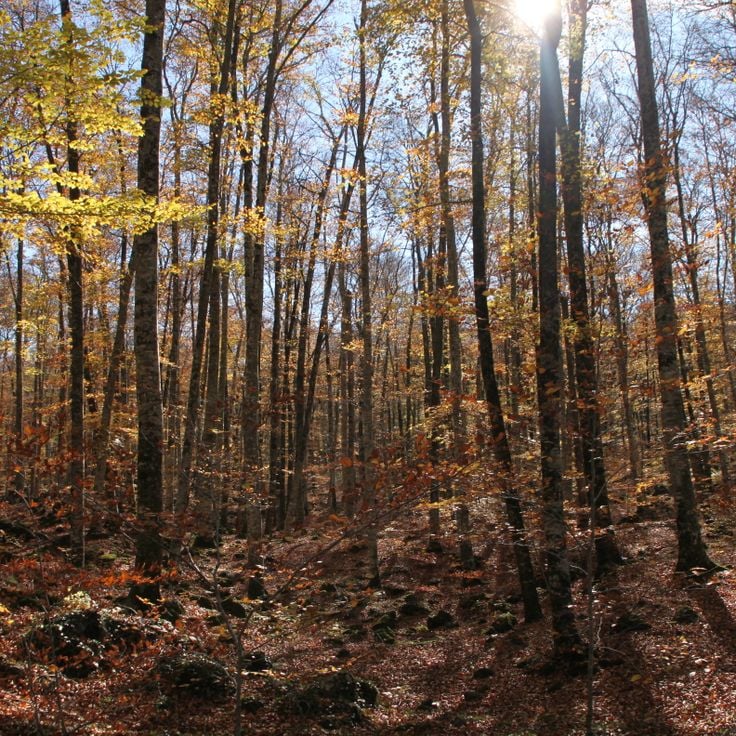
The Fageda d'en Jordà is a beech forest in Garrotxa that grows on volcanic soil from an eruption 17,000 years ago. The woodland creates a special ecosystem at 550 meters elevation. Among the hidden places of Catalonia, this forest shows how the region's natural areas shape the landscape from mountains toward the Mediterranean coast.
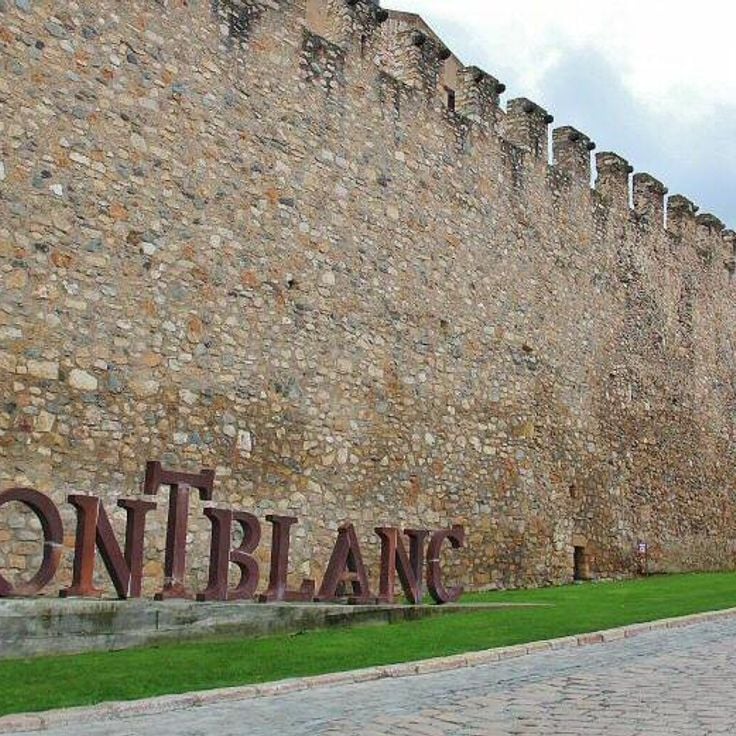
Montblanc is a medieval town in rural Catalonia that preserves stone walls built in the 14th century along with Gothic churches and a historic Jewish quarter. Walking through Montblanc, visitors encounter narrow streets, quiet squares and ancient architecture. The town walls with their towers show how people once lived and protected their settlement, offering a window into medieval daily life.
Vilabertran Monastery displays Romanesque architecture from the 11th century and stands as one of the hidden places in rural Catalonia. The monastery features a square cloister and a large church, testifying to medieval building traditions. It sits within a region full of castle ruins, Gothic churches, and historical locations that stretch from the mountains to the Mediterranean coast.
La Foradada de Cantonigròs is a natural opening in a limestone wall within these hidden corners of Catalonia. About 20 meters across, it appears like a giant eye carved into the rock face. Mediterranean vegetation grows around the opening, giving the place a wild, untamed feel. This location is part of rural Catalonia where nature remains largely unchanged and stone formations tell stories shaped over centuries.
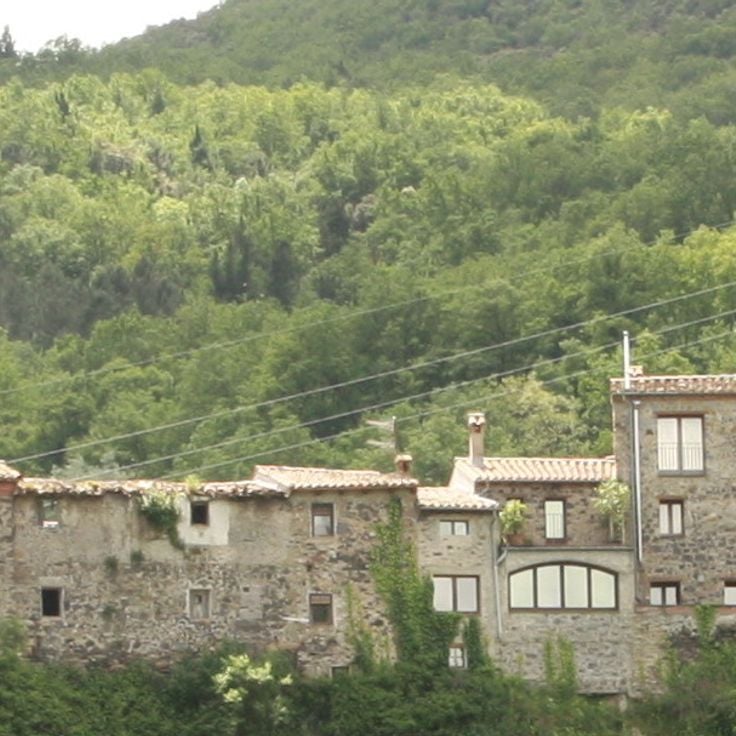
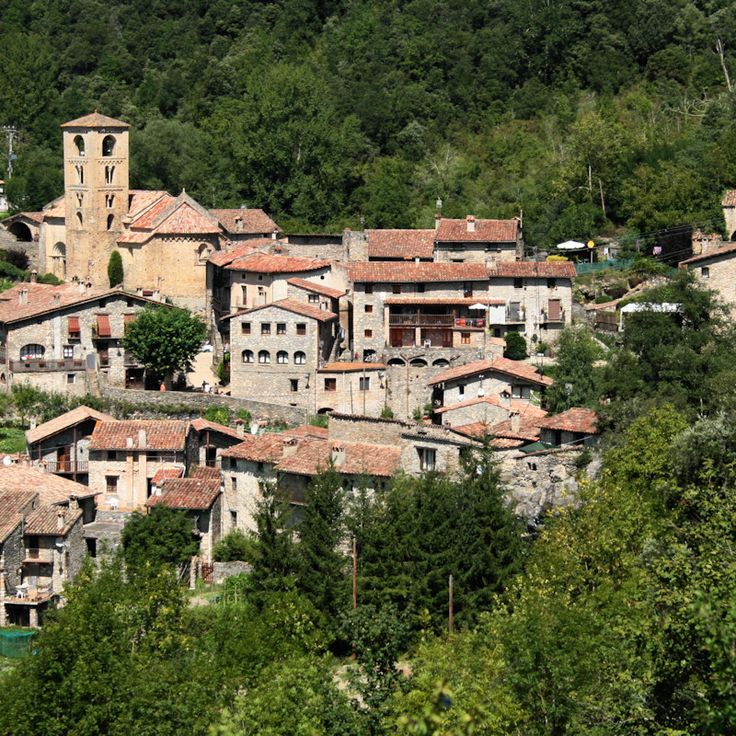
Beget is a medieval village in the Garrotxa region that exemplifies the hidden places of rural Catalonia. With just a handful of inhabitants, the village features stone bridges crossing the river and the 12th-century Romanesque Church of Saint Christopher, offering visitors a glimpse into the region's religious and architectural heritage.
This hermitage in Garrotxa is part of rural Catalonia's hidden religious buildings. Located at 1124 meters above sea level, it overlooks the Pyrenees, the Empordà region, and the Gulf of Roses. The setting offers views across mountains and toward the Mediterranean coast.
Sant Llorenç de Morunys is a medieval settlement nestled in the mountains of Catalonia, representing one of the hidden places in this rural region. The village sits at 925 meters above sea level, positioned between Port del Comte and Serra de Busa. From this elevated location, visitors can observe the mountain landscape that defines this part of inland Catalonia.
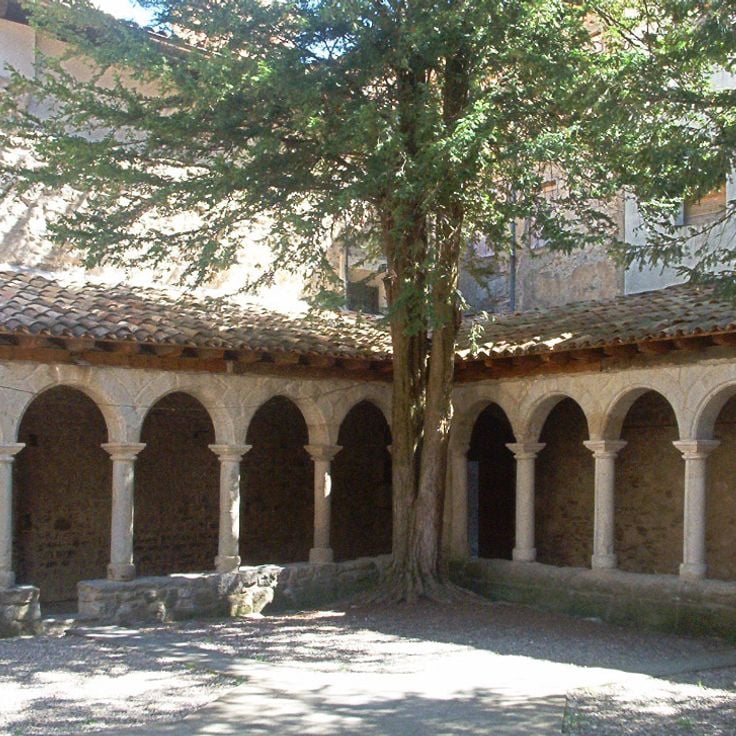
This monastery in Badalona dates to the 15th century and stands as one of Catalonia's preserved religious sites. The cloister of Sant Jeroni de la Murtra features stone vaults and columns built with the craftsmanship of its era. The building sits in a rural setting and reflects the monastic tradition of the medieval Catalan region.
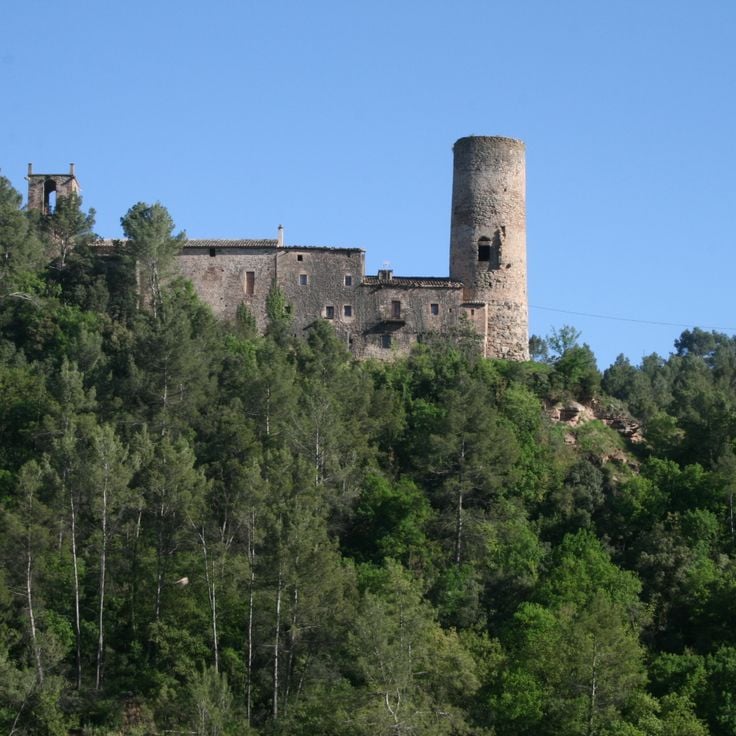
The Torres de Fals are two medieval fortress towers standing on a hill surrounded by vineyards and Mediterranean vegetation in the Bages region of Catalonia. They are among the hidden places of rural Catalonia, where medieval villages, monasteries and natural areas remain intact. These towers reflect the region's history, which stretches from mountain landscapes to the Mediterranean coast.
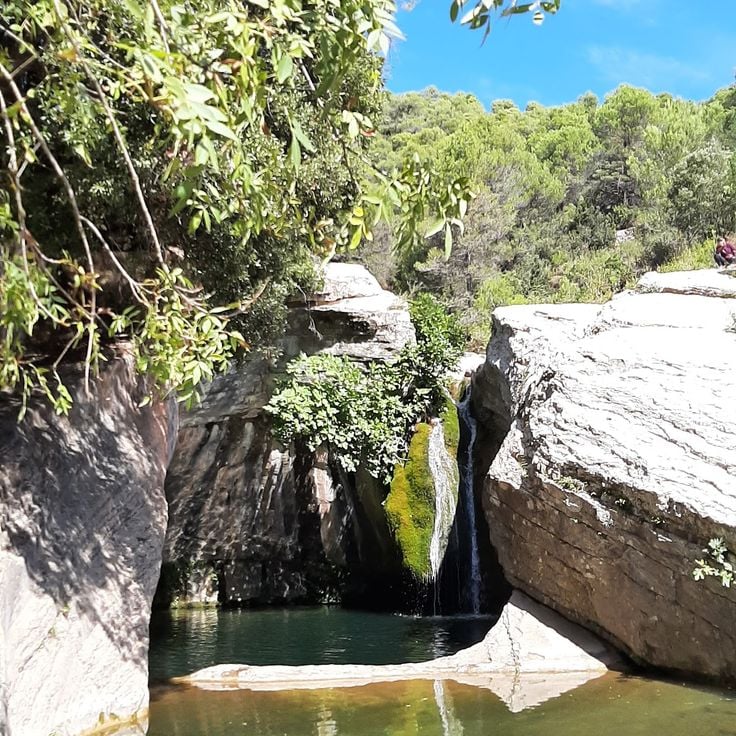
The Salto de l'Olla is a waterfall in Garrotxa that fits into the hidden natural areas of rural Catalonia. The water drops 30 meters through a circular rock formation into a natural pool. This place belongs to the wild landscapes of Catalonia, where natural waterfalls have been preserved alongside medieval villages, monasteries and castles.
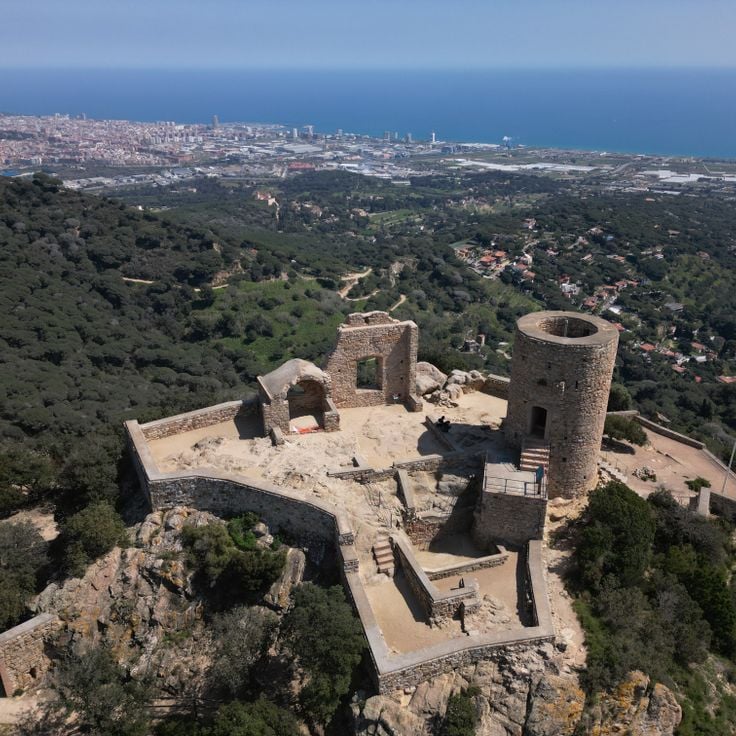
Castell de Burriac stands on a hilltop in the Maresme region and offers sweeping views of the Mediterranean coast and the city of Mataró. This medieval fortress is part of rural Catalonia's collection of hidden places, where castle ruins, monasteries and natural areas spread from the mountains to the coast.
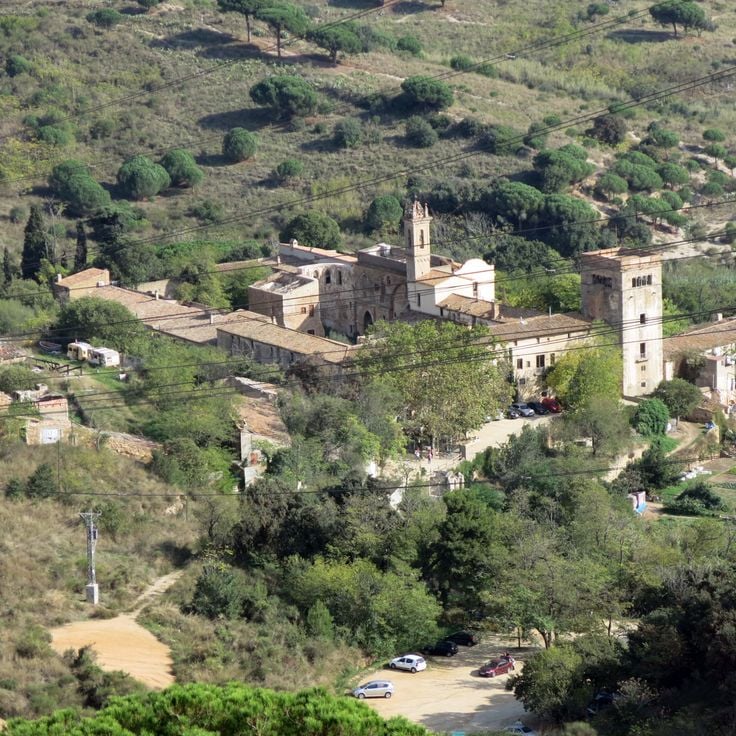
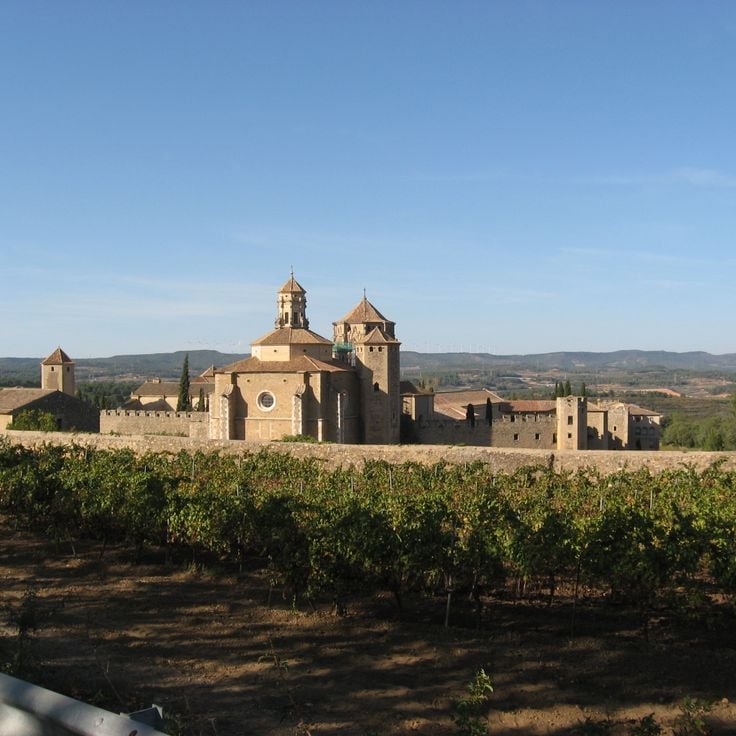
Poblet Monastery was founded in the 12th century and stands as an important place of religious life in Catalonia. The tombs of Aragonese kings rest within its walls, and the monastic community continues to follow the Rule of Saint Benedict. This monastery exemplifies the medieval structures found in rural Catalonia, hidden among the region's mountains and valleys.
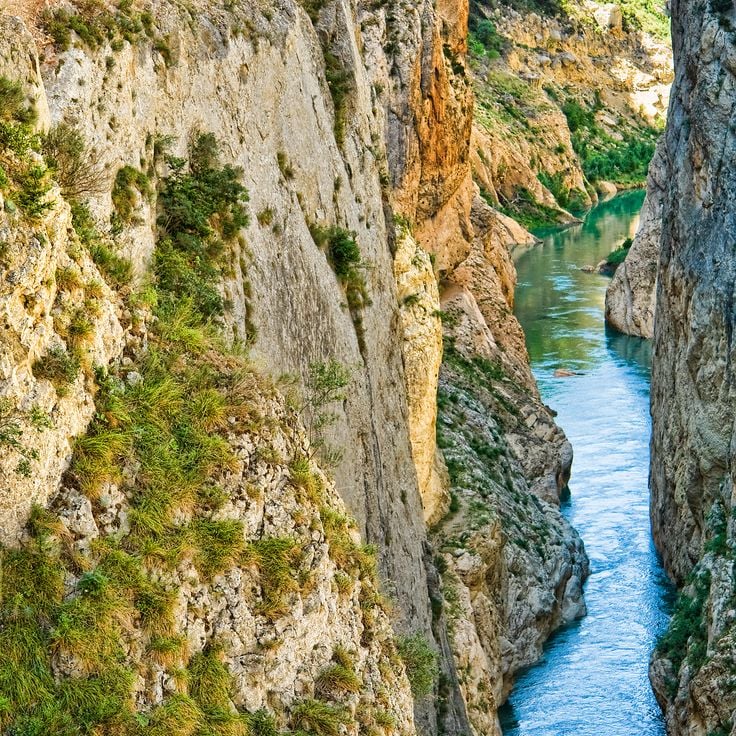
The Congost de Mont-rebei is a gorge in Pallars Jussà, Catalonia, where the Noguera Ribagorçana river flows through limestone walls. Walking paths lead through galleries carved into the rock face. This location is part of the hidden places in rural Catalonia, where medieval villages, monasteries, and natural areas remain preserved alongside Roman villas, Gothic churches, and castle ruins.
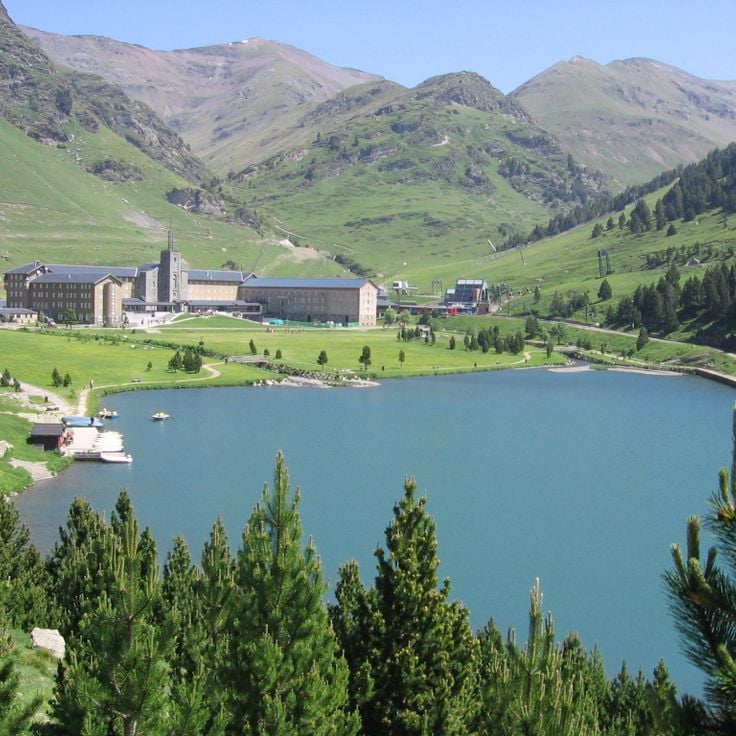
Vall de Nuria sits in the eastern Pyrenees at 2000 meters elevation. Within this hidden Catalonian region, mountain landscapes blend with traditional ways of life. A rack railway connects the valley to the town of Ribes de Freser, providing access to this remote area shaped by hiking trails, alpine lakes, and forests.
This 12th century fortress stands on a mountain in rural Catalonia and offers views of the Mediterranean Sea. It is one of the medieval castles scattered across this region between mountains and coast.
The Mare de Déu del Lledó in Valls is a building complex that reveals layers of history in rural Catalonia. Dating to the 4th century, it contains Roman mosaics that still survive today. During the Middle Ages, the structure was transformed into a religious site, with new buildings added to serve the community. This mix of Roman remains and medieval construction makes it a significant example of the hidden historical places found throughout the Catalan countryside.
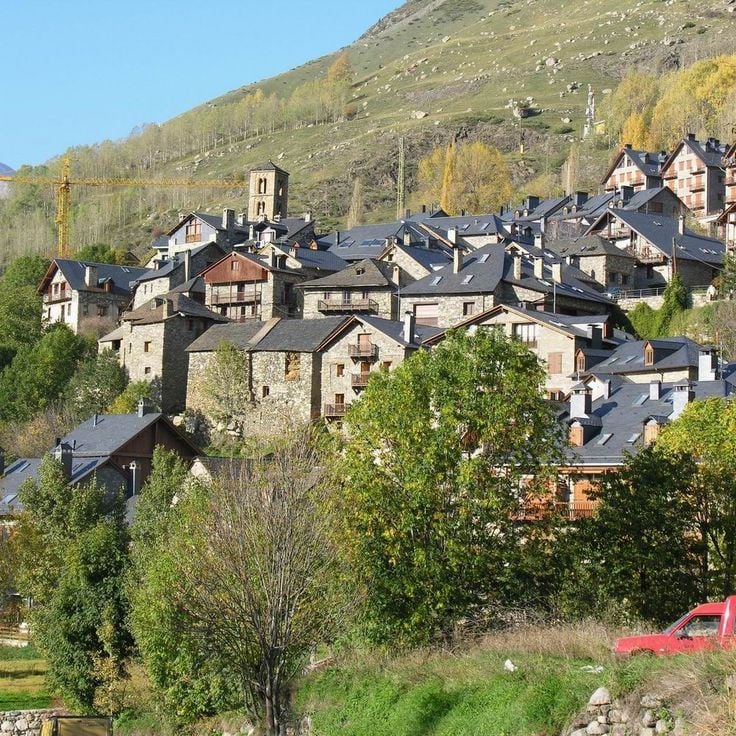
Sant Climent de Taüll is a 12th century church that stands in rural Catalonia among medieval villages and monasteries. This Romanesque structure features remarkable frescoes inside and has been recognized as a UNESCO World Heritage site. The church represents the religious architecture preserved in this region, where Roman ruins, Gothic buildings, and castle remains tell the story of centuries past.
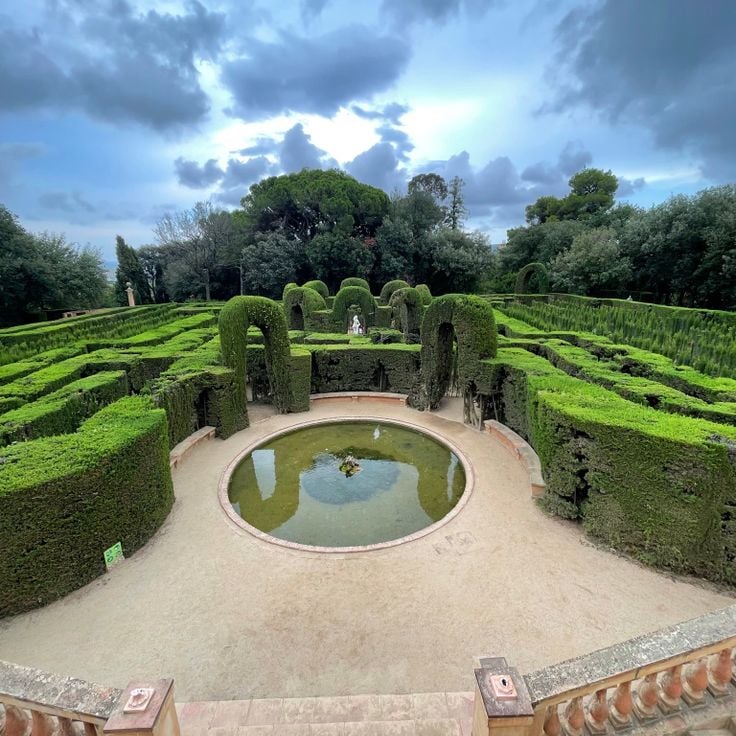
The Parc del Laberint d'Horta is a hidden garden in rural Catalonia, created in 1791. This 9-hectare property features a maze made of trimmed cypress hedges that guides visitors through an engaging journey. The garden shows how people shaped outdoor spaces with artistry and care. Beyond the maze, walkways and garden rooms invite exploration and quiet moments away from daily life.
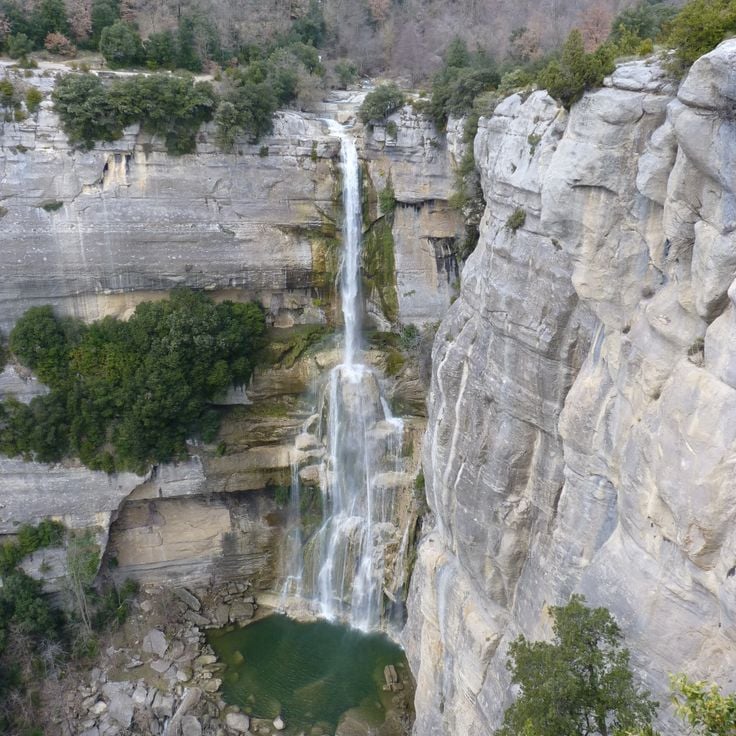
Salt de Sallent is located in Rupit in rural Catalonia, where medieval villages, monasteries and natural areas remain intact. The waterfall drops over a rock face and forms a natural pool at the base. This region extends from mountains to the Mediterranean coast.
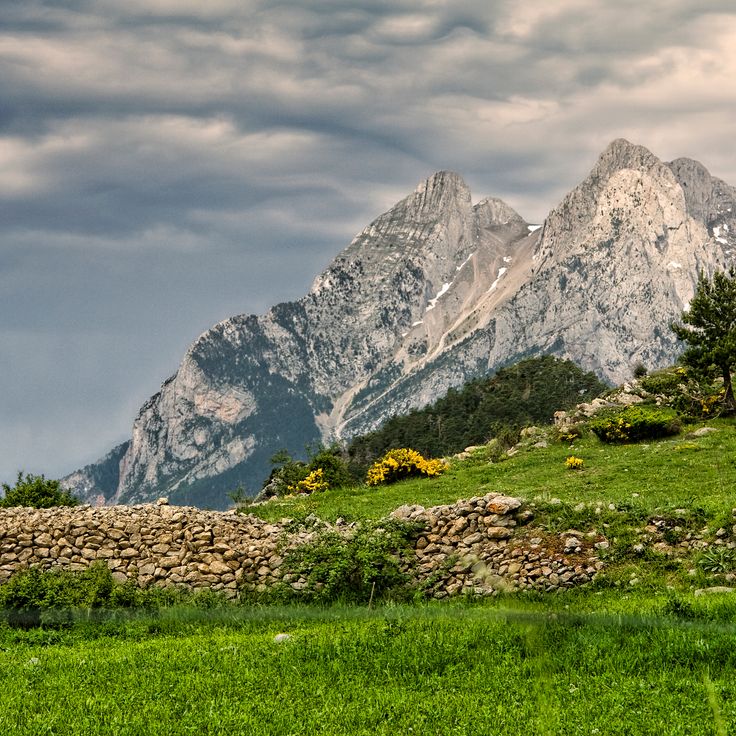
El Pedraforca is a limestone mountain in Saldes, Catalonia, representing one of the hidden places in this rural region. With two separate summits connected by a saddle formation, this mountain offers hikers a distinctive profile. The peak stands as part of Catalonia's natural heritage, where mountains, medieval villages and monasteries dot the landscape from the highlands to the coastal areas.
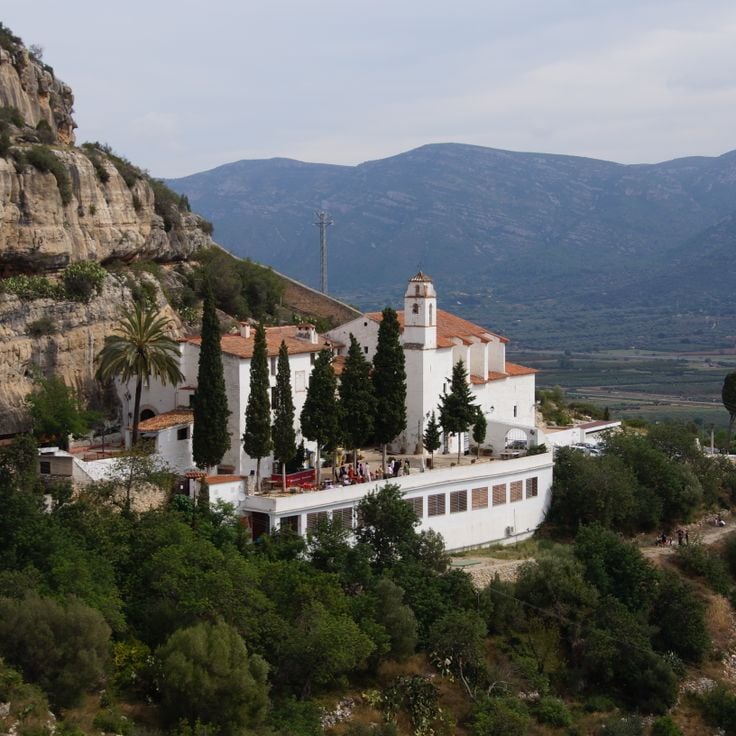
The Ermita de la Pietat is a small chapel perched on a mountain near Ulldecona in rural Catalonia. This chapel is one of the hidden places in the region, where medieval structures and natural landscapes remain intact. From this location, visitors look out toward the Ebro Delta and the Mediterranean Sea, where mountains meet the coast.
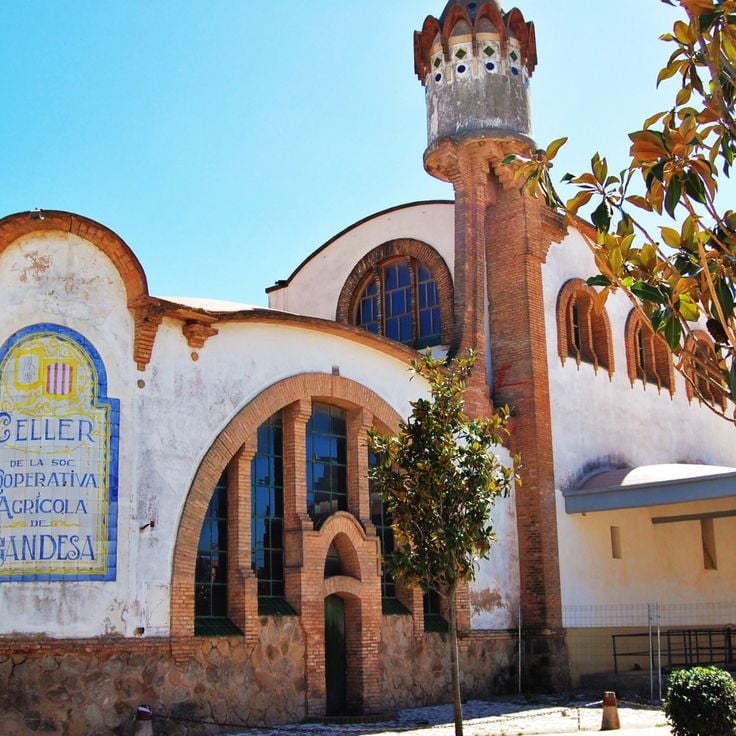
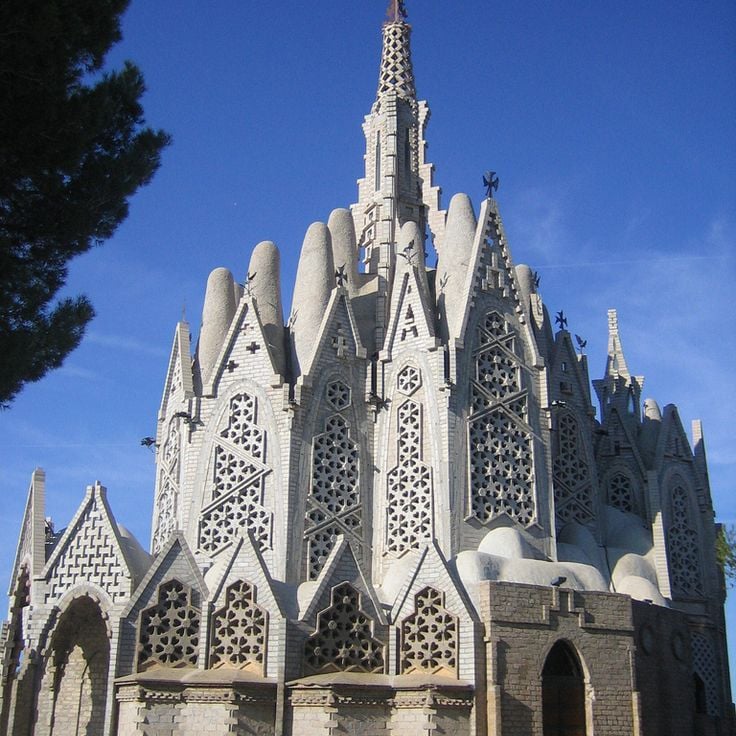
The Celler Cooperatiu de Gandesa is a 1919 building that combines industrial architecture with Catalan Modernism. Set in rural Catalonia, this winery continues wine production today and stands as an example of how design and craft work together in the region's hidden places.
This 12th-century village sits on a rock formation in rural Catalonia, part of the region's preserved medieval heritage. Rupit features traditional Catalan stone houses with wooden balconies that blend into the natural landscape. It represents the kind of settlement you encounter throughout this area, where historic villages, monasteries and natural sites exist from the mountains to the Mediterranean coast.
Santa Pau is a medieval settlement centered around a 13th-century Romanesque castle that overlooks the village. Set within the extinct volcanic landscape of Garrotxa, this place preserves the character of rural Catalonia. The castle and narrow streets tell the story of life in medieval times, when fortified villages protected the countryside. Surrounding the village are volcanic formations and natural areas that shape the local environment. Santa Pau represents the kind of small, enduring communities found throughout hidden corners of Catalonia.
The Monastery of Sant Pere de Rodes is a Romanesque building from the 10th century standing on Mount Verdera in Alt Empordà. This monastery is one of the hidden places in rural Catalonia, where medieval villages, monasteries, and natural areas remain preserved. From its heights, it overlooks the Mediterranean Sea and the Costa Brava. The church displays Romanesque features with stone arches and simple geometric forms. Visitors reach the monastery on foot via a trail that winds through pine forests and offers views of the coastline below.
Siurana is a mountain village in this collection of hidden places in Catalonia, perched on a limestone plateau and preserving fortress remains from the 9th century. The village shows how people lived in medieval times across this rural region, surrounded by steep rocky cliffs and far from urban centers.
The Gardens of Cap Roig stand among the rural Catalan places where medieval heritage and nature exist side by side. This botanical garden spreads across multiple terraces with Mediterranean plants, sculptures and a 20th century castle. The location reveals the region's character through its blend of historical structures and natural surroundings.
Besalú is a medieval town in the Garrotxa region, counting among the hidden places in rural Catalonia. The town is defined by an 11th century Romanesque bridge spanning the Fluvia river. A Jewish quarter speaks to the town's Jewish history. Romanesque churches shape the streetscape and reveal the religious past of this region.
Castellfollit de la Roca is a historic town that sits on a basalt cliff between two rivers in rural Catalonia. It is among the hidden places of the region, where medieval villages, monasteries, and natural areas remain preserved. This town with its dramatic cliff setting exemplifies the landscape that stretches from mountains to the Mediterranean coast.
Panta de Sau is an artificial lake in rural Catalonia, where medieval structures and natural areas remain. The lake was created by damming and now offers hiking trails around its shores. The tower of the old Sant Romà church rises from the water, a reminder of the area's past. Visitors come here to hike, enjoy water sports, and explore the landscape where mountains meet the water's edge.
Mura is a village in rural Catalonia situated in the Bages region. This place sits at 450 meters elevation and displays stone houses built in the 17th century. The Church of Saint Martin, with its Romanesque design, stands as a focal point of the community. Mura represents one of the medieval villages that have survived in this mountainous area.
Tavertet is a village in Osona that sits on limestone cliffs at 869 meters above sea level. Stone buildings from the 16th and 17th centuries fill the village. As part of hidden places in Catalonia, Tavertet shows how rural settlements blend with natural landscapes in the region.
The Fageda d'en Jordà is a beech forest in Garrotxa that grows on volcanic soil from an eruption 17,000 years ago. The woodland creates a special ecosystem at 550 meters elevation. Among the hidden places of Catalonia, this forest shows how the region's natural areas shape the landscape from mountains toward the Mediterranean coast.
Montblanc is a medieval town in rural Catalonia that preserves stone walls built in the 14th century along with Gothic churches and a historic Jewish quarter. Walking through Montblanc, visitors encounter narrow streets, quiet squares and ancient architecture. The town walls with their towers show how people once lived and protected their settlement, offering a window into medieval daily life.
Vilabertran Monastery displays Romanesque architecture from the 11th century and stands as one of the hidden places in rural Catalonia. The monastery features a square cloister and a large church, testifying to medieval building traditions. It sits within a region full of castle ruins, Gothic churches, and historical locations that stretch from the mountains to the Mediterranean coast.
La Foradada de Cantonigròs is a natural opening in a limestone wall within these hidden corners of Catalonia. About 20 meters across, it appears like a giant eye carved into the rock face. Mediterranean vegetation grows around the opening, giving the place a wild, untamed feel. This location is part of rural Catalonia where nature remains largely unchanged and stone formations tell stories shaped over centuries.
Beget is a medieval village in the Garrotxa region that exemplifies the hidden places of rural Catalonia. With just a handful of inhabitants, the village features stone bridges crossing the river and the 12th-century Romanesque Church of Saint Christopher, offering visitors a glimpse into the region's religious and architectural heritage.
This hermitage in Garrotxa is part of rural Catalonia's hidden religious buildings. Located at 1124 meters above sea level, it overlooks the Pyrenees, the Empordà region, and the Gulf of Roses. The setting offers views across mountains and toward the Mediterranean coast.
Sant Llorenç de Morunys is a medieval settlement nestled in the mountains of Catalonia, representing one of the hidden places in this rural region. The village sits at 925 meters above sea level, positioned between Port del Comte and Serra de Busa. From this elevated location, visitors can observe the mountain landscape that defines this part of inland Catalonia.
This monastery in Badalona dates to the 15th century and stands as one of Catalonia's preserved religious sites. The cloister of Sant Jeroni de la Murtra features stone vaults and columns built with the craftsmanship of its era. The building sits in a rural setting and reflects the monastic tradition of the medieval Catalan region.
The Torres de Fals are two medieval fortress towers standing on a hill surrounded by vineyards and Mediterranean vegetation in the Bages region of Catalonia. They are among the hidden places of rural Catalonia, where medieval villages, monasteries and natural areas remain intact. These towers reflect the region's history, which stretches from mountain landscapes to the Mediterranean coast.
The Salto de l'Olla is a waterfall in Garrotxa that fits into the hidden natural areas of rural Catalonia. The water drops 30 meters through a circular rock formation into a natural pool. This place belongs to the wild landscapes of Catalonia, where natural waterfalls have been preserved alongside medieval villages, monasteries and castles.
Castell de Burriac stands on a hilltop in the Maresme region and offers sweeping views of the Mediterranean coast and the city of Mataró. This medieval fortress is part of rural Catalonia's collection of hidden places, where castle ruins, monasteries and natural areas spread from the mountains to the coast.
Poblet Monastery was founded in the 12th century and stands as an important place of religious life in Catalonia. The tombs of Aragonese kings rest within its walls, and the monastic community continues to follow the Rule of Saint Benedict. This monastery exemplifies the medieval structures found in rural Catalonia, hidden among the region's mountains and valleys.
The Congost de Mont-rebei is a gorge in Pallars Jussà, Catalonia, where the Noguera Ribagorçana river flows through limestone walls. Walking paths lead through galleries carved into the rock face. This location is part of the hidden places in rural Catalonia, where medieval villages, monasteries, and natural areas remain preserved alongside Roman villas, Gothic churches, and castle ruins.
Vall de Nuria sits in the eastern Pyrenees at 2000 meters elevation. Within this hidden Catalonian region, mountain landscapes blend with traditional ways of life. A rack railway connects the valley to the town of Ribes de Freser, providing access to this remote area shaped by hiking trails, alpine lakes, and forests.
This 12th century fortress stands on a mountain in rural Catalonia and offers views of the Mediterranean Sea. It is one of the medieval castles scattered across this region between mountains and coast.
The Mare de Déu del Lledó in Valls is a building complex that reveals layers of history in rural Catalonia. Dating to the 4th century, it contains Roman mosaics that still survive today. During the Middle Ages, the structure was transformed into a religious site, with new buildings added to serve the community. This mix of Roman remains and medieval construction makes it a significant example of the hidden historical places found throughout the Catalan countryside.
Sant Climent de Taüll is a 12th century church that stands in rural Catalonia among medieval villages and monasteries. This Romanesque structure features remarkable frescoes inside and has been recognized as a UNESCO World Heritage site. The church represents the religious architecture preserved in this region, where Roman ruins, Gothic buildings, and castle remains tell the story of centuries past.
The Parc del Laberint d'Horta is a hidden garden in rural Catalonia, created in 1791. This 9-hectare property features a maze made of trimmed cypress hedges that guides visitors through an engaging journey. The garden shows how people shaped outdoor spaces with artistry and care. Beyond the maze, walkways and garden rooms invite exploration and quiet moments away from daily life.
Salt de Sallent is located in Rupit in rural Catalonia, where medieval villages, monasteries and natural areas remain intact. The waterfall drops over a rock face and forms a natural pool at the base. This region extends from mountains to the Mediterranean coast.
El Pedraforca is a limestone mountain in Saldes, Catalonia, representing one of the hidden places in this rural region. With two separate summits connected by a saddle formation, this mountain offers hikers a distinctive profile. The peak stands as part of Catalonia's natural heritage, where mountains, medieval villages and monasteries dot the landscape from the highlands to the coastal areas.
The Ermita de la Pietat is a small chapel perched on a mountain near Ulldecona in rural Catalonia. This chapel is one of the hidden places in the region, where medieval structures and natural landscapes remain intact. From this location, visitors look out toward the Ebro Delta and the Mediterranean Sea, where mountains meet the coast.
The Celler Cooperatiu de Gandesa is a 1919 building that combines industrial architecture with Catalan Modernism. Set in rural Catalonia, this winery continues wine production today and stands as an example of how design and craft work together in the region's hidden places.
This 12th-century village sits on a rock formation in rural Catalonia, part of the region's preserved medieval heritage. Rupit features traditional Catalan stone houses with wooden balconies that blend into the natural landscape. It represents the kind of settlement you encounter throughout this area, where historic villages, monasteries and natural sites exist from the mountains to the Mediterranean coast.
Santa Pau is a medieval settlement centered around a 13th-century Romanesque castle that overlooks the village. Set within the extinct volcanic landscape of Garrotxa, this place preserves the character of rural Catalonia. The castle and narrow streets tell the story of life in medieval times, when fortified villages protected the countryside. Surrounding the village are volcanic formations and natural areas that shape the local environment. Santa Pau represents the kind of small, enduring communities found throughout hidden corners of Catalonia.
The Monastery of Sant Pere de Rodes is a Romanesque building from the 10th century standing on Mount Verdera in Alt Empordà. This monastery is one of the hidden places in rural Catalonia, where medieval villages, monasteries, and natural areas remain preserved. From its heights, it overlooks the Mediterranean Sea and the Costa Brava. The church displays Romanesque features with stone arches and simple geometric forms. Visitors reach the monastery on foot via a trail that winds through pine forests and offers views of the coastline below.
Siurana is a mountain village in this collection of hidden places in Catalonia, perched on a limestone plateau and preserving fortress remains from the 9th century. The village shows how people lived in medieval times across this rural region, surrounded by steep rocky cliffs and far from urban centers.
The Gardens of Cap Roig stand among the rural Catalan places where medieval heritage and nature exist side by side. This botanical garden spreads across multiple terraces with Mediterranean plants, sculptures and a 20th century castle. The location reveals the region's character through its blend of historical structures and natural surroundings.
Besalú is a medieval town in the Garrotxa region, counting among the hidden places in rural Catalonia. The town is defined by an 11th century Romanesque bridge spanning the Fluvia river. A Jewish quarter speaks to the town's Jewish history. Romanesque churches shape the streetscape and reveal the religious past of this region.
Castellfollit de la Roca is a historic town that sits on a basalt cliff between two rivers in rural Catalonia. It is among the hidden places of the region, where medieval villages, monasteries, and natural areas remain preserved. This town with its dramatic cliff setting exemplifies the landscape that stretches from mountains to the Mediterranean coast.
Panta de Sau is an artificial lake in rural Catalonia, where medieval structures and natural areas remain. The lake was created by damming and now offers hiking trails around its shores. The tower of the old Sant Romà church rises from the water, a reminder of the area's past. Visitors come here to hike, enjoy water sports, and explore the landscape where mountains meet the water's edge.
Mura is a village in rural Catalonia situated in the Bages region. This place sits at 450 meters elevation and displays stone houses built in the 17th century. The Church of Saint Martin, with its Romanesque design, stands as a focal point of the community. Mura represents one of the medieval villages that have survived in this mountainous area.
Tavertet is a village in Osona that sits on limestone cliffs at 869 meters above sea level. Stone buildings from the 16th and 17th centuries fill the village. As part of hidden places in Catalonia, Tavertet shows how rural settlements blend with natural landscapes in the region.
The Fageda d'en Jordà is a beech forest in Garrotxa that grows on volcanic soil from an eruption 17,000 years ago. The woodland creates a special ecosystem at 550 meters elevation. Among the hidden places of Catalonia, this forest shows how the region's natural areas shape the landscape from mountains toward the Mediterranean coast.
Montblanc is a medieval town in rural Catalonia that preserves stone walls built in the 14th century along with Gothic churches and a historic Jewish quarter. Walking through Montblanc, visitors encounter narrow streets, quiet squares and ancient architecture. The town walls with their towers show how people once lived and protected their settlement, offering a window into medieval daily life.
Vilabertran Monastery displays Romanesque architecture from the 11th century and stands as one of the hidden places in rural Catalonia. The monastery features a square cloister and a large church, testifying to medieval building traditions. It sits within a region full of castle ruins, Gothic churches, and historical locations that stretch from the mountains to the Mediterranean coast.
La Foradada de Cantonigròs is a natural opening in a limestone wall within these hidden corners of Catalonia. About 20 meters across, it appears like a giant eye carved into the rock face. Mediterranean vegetation grows around the opening, giving the place a wild, untamed feel. This location is part of rural Catalonia where nature remains largely unchanged and stone formations tell stories shaped over centuries.
Beget is a medieval village in the Garrotxa region that exemplifies the hidden places of rural Catalonia. With just a handful of inhabitants, the village features stone bridges crossing the river and the 12th-century Romanesque Church of Saint Christopher, offering visitors a glimpse into the region's religious and architectural heritage.
This hermitage in Garrotxa is part of rural Catalonia's hidden religious buildings. Located at 1124 meters above sea level, it overlooks the Pyrenees, the Empordà region, and the Gulf of Roses. The setting offers views across mountains and toward the Mediterranean coast.
Sant Llorenç de Morunys is a medieval settlement nestled in the mountains of Catalonia, representing one of the hidden places in this rural region. The village sits at 925 meters above sea level, positioned between Port del Comte and Serra de Busa. From this elevated location, visitors can observe the mountain landscape that defines this part of inland Catalonia.
This monastery in Badalona dates to the 15th century and stands as one of Catalonia's preserved religious sites. The cloister of Sant Jeroni de la Murtra features stone vaults and columns built with the craftsmanship of its era. The building sits in a rural setting and reflects the monastic tradition of the medieval Catalan region.
The Torres de Fals are two medieval fortress towers standing on a hill surrounded by vineyards and Mediterranean vegetation in the Bages region of Catalonia. They are among the hidden places of rural Catalonia, where medieval villages, monasteries and natural areas remain intact. These towers reflect the region's history, which stretches from mountain landscapes to the Mediterranean coast.
The Salto de l'Olla is a waterfall in Garrotxa that fits into the hidden natural areas of rural Catalonia. The water drops 30 meters through a circular rock formation into a natural pool. This place belongs to the wild landscapes of Catalonia, where natural waterfalls have been preserved alongside medieval villages, monasteries and castles.
Castell de Burriac stands on a hilltop in the Maresme region and offers sweeping views of the Mediterranean coast and the city of Mataró. This medieval fortress is part of rural Catalonia's collection of hidden places, where castle ruins, monasteries and natural areas spread from the mountains to the coast.
Poblet Monastery was founded in the 12th century and stands as an important place of religious life in Catalonia. The tombs of Aragonese kings rest within its walls, and the monastic community continues to follow the Rule of Saint Benedict. This monastery exemplifies the medieval structures found in rural Catalonia, hidden among the region's mountains and valleys.
The Congost de Mont-rebei is a gorge in Pallars Jussà, Catalonia, where the Noguera Ribagorçana river flows through limestone walls. Walking paths lead through galleries carved into the rock face. This location is part of the hidden places in rural Catalonia, where medieval villages, monasteries, and natural areas remain preserved alongside Roman villas, Gothic churches, and castle ruins.
Vall de Nuria sits in the eastern Pyrenees at 2000 meters elevation. Within this hidden Catalonian region, mountain landscapes blend with traditional ways of life. A rack railway connects the valley to the town of Ribes de Freser, providing access to this remote area shaped by hiking trails, alpine lakes, and forests.
This 12th century fortress stands on a mountain in rural Catalonia and offers views of the Mediterranean Sea. It is one of the medieval castles scattered across this region between mountains and coast.
The Mare de Déu del Lledó in Valls is a building complex that reveals layers of history in rural Catalonia. Dating to the 4th century, it contains Roman mosaics that still survive today. During the Middle Ages, the structure was transformed into a religious site, with new buildings added to serve the community. This mix of Roman remains and medieval construction makes it a significant example of the hidden historical places found throughout the Catalan countryside.
Sant Climent de Taüll is a 12th century church that stands in rural Catalonia among medieval villages and monasteries. This Romanesque structure features remarkable frescoes inside and has been recognized as a UNESCO World Heritage site. The church represents the religious architecture preserved in this region, where Roman ruins, Gothic buildings, and castle remains tell the story of centuries past.
The Parc del Laberint d'Horta is a hidden garden in rural Catalonia, created in 1791. This 9-hectare property features a maze made of trimmed cypress hedges that guides visitors through an engaging journey. The garden shows how people shaped outdoor spaces with artistry and care. Beyond the maze, walkways and garden rooms invite exploration and quiet moments away from daily life.
Salt de Sallent is located in Rupit in rural Catalonia, where medieval villages, monasteries and natural areas remain intact. The waterfall drops over a rock face and forms a natural pool at the base. This region extends from mountains to the Mediterranean coast.
El Pedraforca is a limestone mountain in Saldes, Catalonia, representing one of the hidden places in this rural region. With two separate summits connected by a saddle formation, this mountain offers hikers a distinctive profile. The peak stands as part of Catalonia's natural heritage, where mountains, medieval villages and monasteries dot the landscape from the highlands to the coastal areas.
The Ermita de la Pietat is a small chapel perched on a mountain near Ulldecona in rural Catalonia. This chapel is one of the hidden places in the region, where medieval structures and natural landscapes remain intact. From this location, visitors look out toward the Ebro Delta and the Mediterranean Sea, where mountains meet the coast.
The Celler Cooperatiu de Gandesa is a 1919 building that combines industrial architecture with Catalan Modernism. Set in rural Catalonia, this winery continues wine production today and stands as an example of how design and craft work together in the region's hidden places.