See the monuments around you in AROpen chests in the app
Around Us is built for your phone — point your camera at the streets and discover the monuments and places around you in augmented reality.Around Us is built for your phone — chests unlock when you walk, explore and capture nearby places.
Wandering through paths built centuries ago reveals how people across the world shaped stone, hedges, and earth to guide the human journey.
People have been building labyrinths for thousands of years, creating them in churches, gardens, and beneath the ground. These paths served as places for prayer, meditation, and art. At Chartres Cathedral in France, visitors walk along a famous floor labyrinth made of blue and white stones set into the nave. The path winds back and forth, measuring about 13 meters across. English castles like Hampton Court added hedge mazes to their grounds starting in the 16th century, turning the maze into a game and a garden feature. Meanwhile, Italian Renaissance villas created geometric patterns from colored stone on their terraces, blending practical pathways with artistic design.
As you move from one region to another, you see how different cultures developed their own ways of making labyrinths. In Paris, the Catacombs hold winding passages that were once quarries dug for stone. In Istanbul, Roman cisterns feature long rows of columns that create their own kind of maze below ground. Medieval builders laid stone mosaics in churches. Later architects trimmed hedges in neat patterns for gardens. Older civilizations carved ritual pathways into temple grounds. Each approach tells you something about what people valued and how they worked with the materials around them.
These labyrinths show us the craftsmanship of their time. Some required careful stone work. Others demanded years of growing and cutting hedges into shape. Underground ones needed skilled quarrying and support structures. Walking through them today, you understand why people across the world felt drawn to the labyrinth idea. It guided feet, focused the mind, and turned movement into meaning.
Wandering through paths built centuries ago reveals how people across the world shaped stone, hedges, and earth to guide the human journey.
People have been building labyrinths for thousands of years, creating them in churches, gardens, and beneath the ground. These paths served as places for prayer, meditation, and art. At Chartres Cathedral in France, visitors walk along a famous floor labyrinth made of blue and white stones set into the nave. The path winds back and forth, measuring about 13 meters across. English castles like Hampton Court added hedge mazes to their grounds starting in the 16th century, turning the maze into a game and a garden feature. Meanwhile, Italian Renaissance villas created geometric patterns from colored stone on their terraces, blending practical pathways with artistic design.
As you move from one region to another, you see how different cultures developed their own ways of making labyrinths. In Paris, the Catacombs hold winding passages that were once quarries dug for stone. In Istanbul, Roman cisterns feature long rows of columns that create their own kind of maze below ground. Medieval builders laid stone mosaics in churches. Later architects trimmed hedges in neat patterns for gardens. Older civilizations carved ritual pathways into temple grounds. Each approach tells you something about what people valued and how they worked with the materials around them.
These labyrinths show us the craftsmanship of their time. Some required careful stone work. Others demanded years of growing and cutting hedges into shape. Underground ones needed skilled quarrying and support structures. Walking through them today, you understand why people across the world felt drawn to the labyrinth idea. It guided feet, focused the mind, and turned movement into meaning.
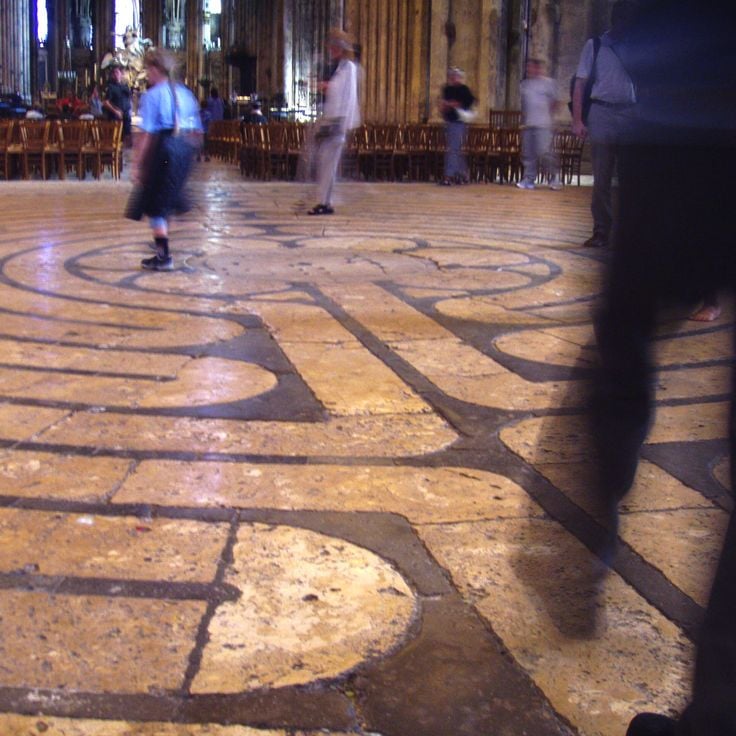
The Chartres Cathedral Labyrinth is one of the most celebrated floor labyrinths in this collection. Built in the 13th century, it covers the floor of the central nave in a pattern of black and white stone slabs arranged in eleven concentric circles. Pilgrims have long walked this path as a symbolic journey to Jerusalem, some doing so on their knees.
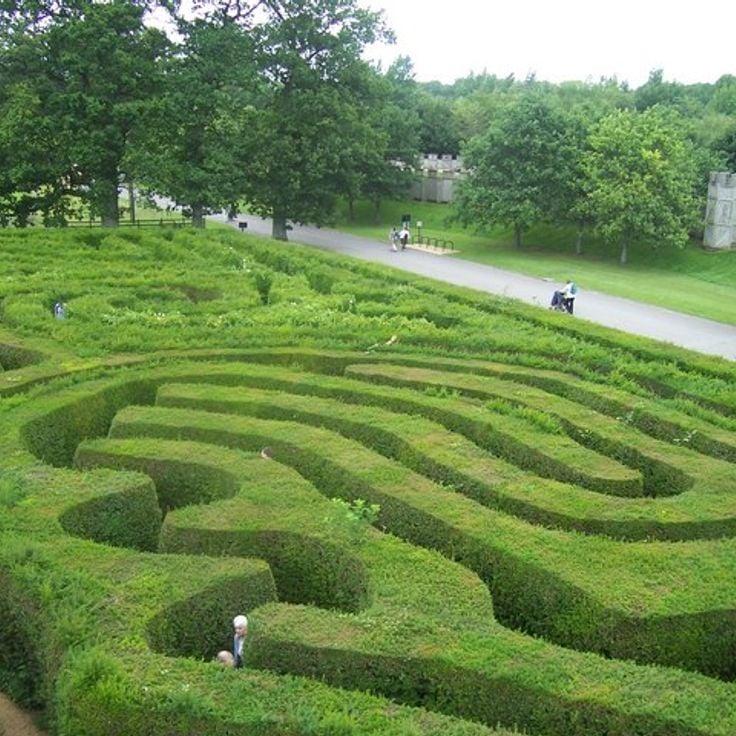
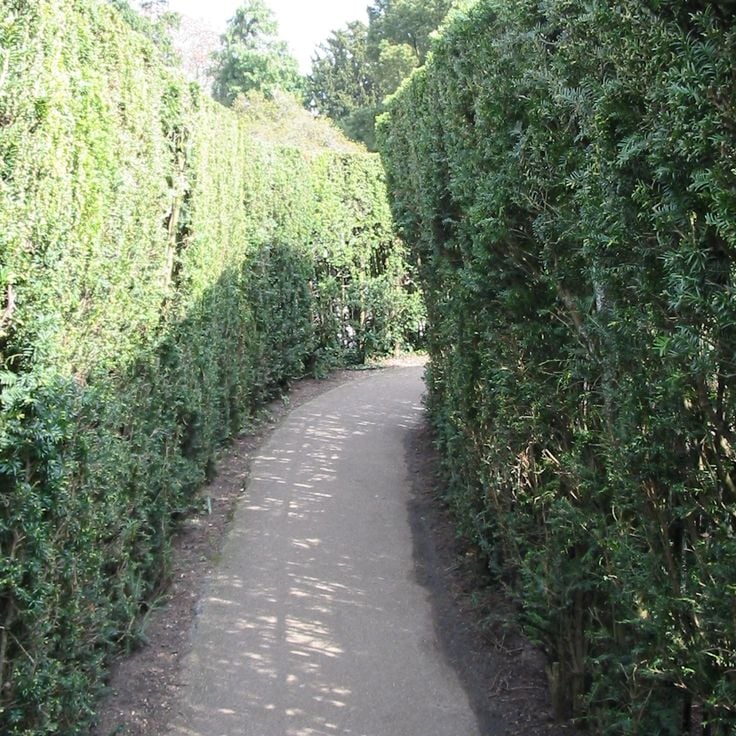
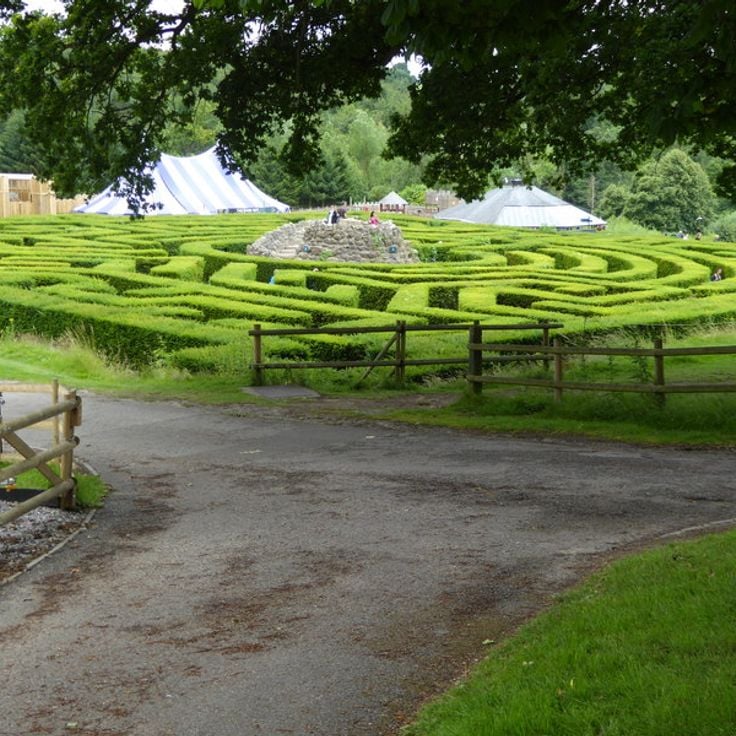
The hedge maze at Longleat House is part of a long tradition of labyrinths that people have built across the world. Planted in 1975 with English yew trees, it sends visitors along winding paths through dense hedges in search of the center. Longleat shows how English country houses from the 16th century onward made hedge mazes a part of their formal gardens, just as medieval cathedrals laid stone floor patterns and Italian villas wove geometric paths into their terraces.
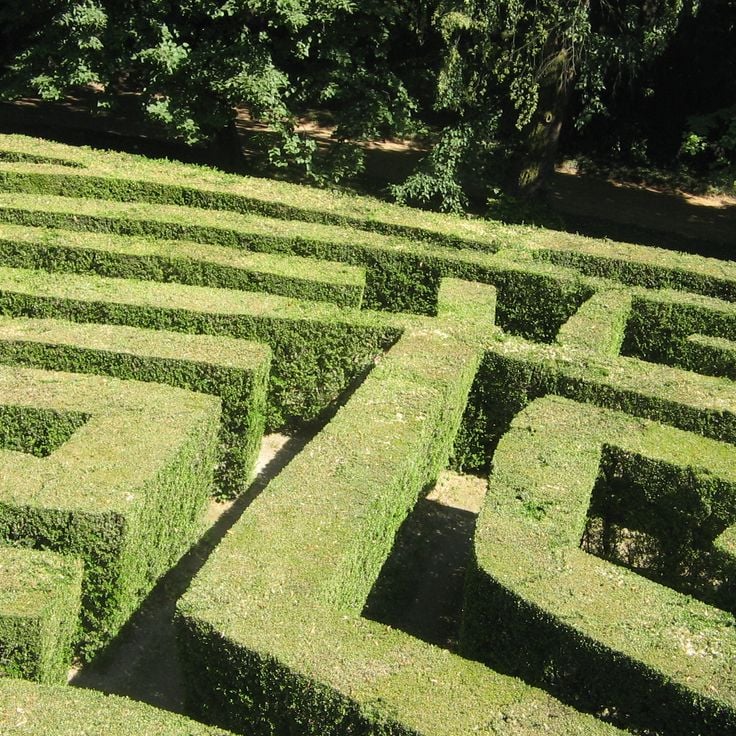
The Villa Pisani Labyrinth is part of a collection tracing how labyrinths have shaped human spaces across centuries. This hedge maze was created in the 18th century for the Pisani family, a noble Venetian household. Tall boxwood hedges form a winding network of paths. At the center stands a two-story tower with a spiral staircase, where visitors can look down over the whole maze. The villa is a Baroque palace sitting along the Brenta Canal.
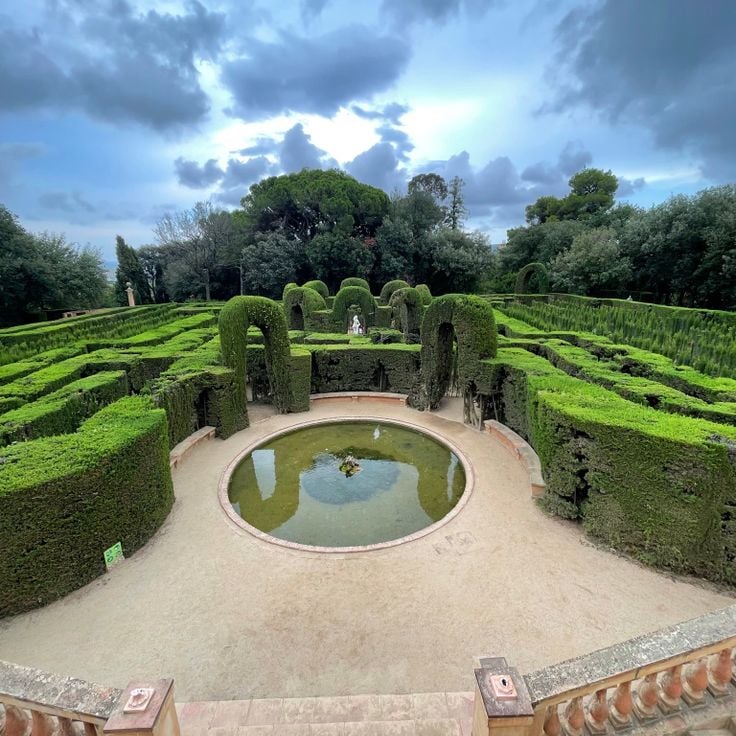
The Horta Labyrinth Park in Barcelona was laid out in 1794 and shows how late 18th-century gardens used pathways as a form of art. Cypress hedges lead visitors through a winding pattern toward a statue of Eros. Along the way, sculptures of Greek figures such as Ariadne and Dionysus stand among the greenery. The upper part of the park has a romantic feel, with waterfalls and small channels, while the lower terraces follow a strict geometric layout typical of neoclassical garden design. This park brings together Italian and French garden traditions in one of Barcelona's oldest surviving green spaces.
The Hampton Court Palace Maze is one of the oldest surviving hedge mazes in England. King William III commissioned it around 1690 as part of the formal gardens surrounding the palace. The yew hedges grow up to 6 feet (about 2 meters) tall and form a trapezoid of crossing and branching paths. Those who reach the center find a raised platform where you can look out over the hedges. This maze shows how 17th-century English royal gardens were designed not just for beauty, but also for play and exploration.
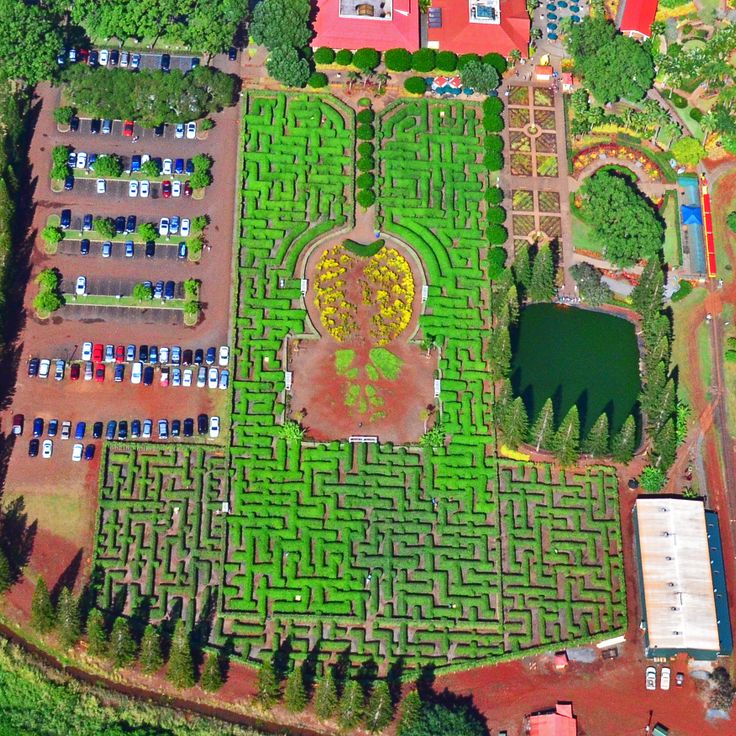
The Dole Plantation Pineapple Maze on Oahu is part of this collection of labyrinths from different cultures and periods. The winding paths pass through sections of pineapple, hibiscus, and heliconia plants arranged in geometric patterns. Walking through it, you get a sense of how a living garden can guide your steps, much like the stone mosaics and hedge mazes of other times and places.
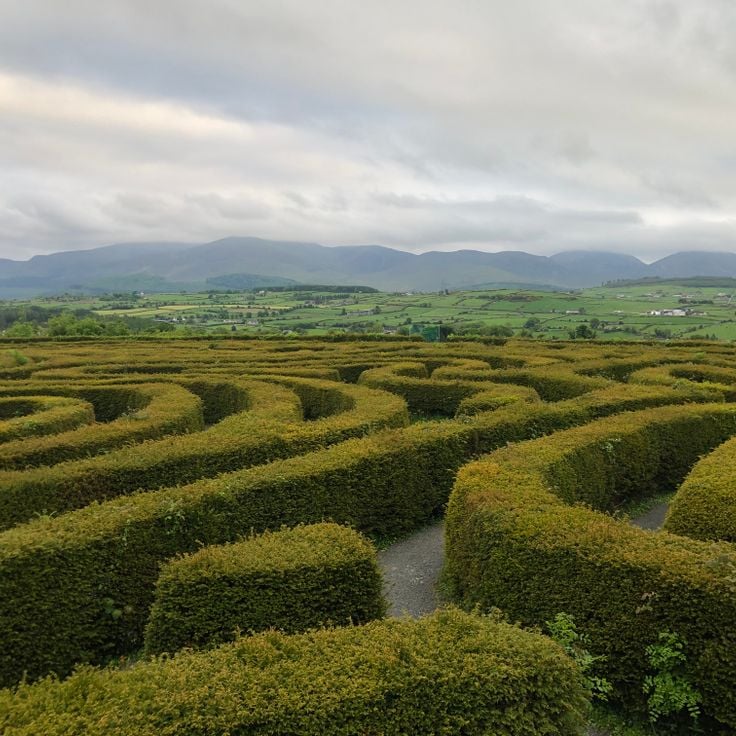
The Peace Maze at Castlewellan Forest Park is a hedge labyrinth made from around 6,000 yew trees planted by the local community. Its paths twist through dense green hedges, inviting visitors to slow down and pay attention to the walk itself. The maze continues a long tradition of labyrinth-making, from stone floor patterns in medieval churches to trimmed hedges in castle gardens, where movement and meaning have always gone hand in hand.
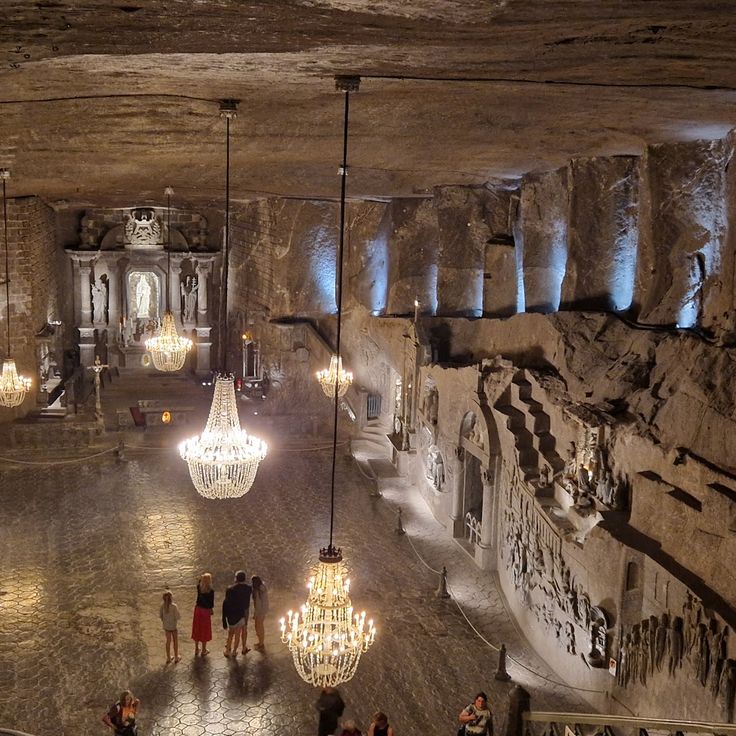
The Wieliczka Salt Mine is an underground labyrinth with nine levels going down to about 1,000 feet (327 meters) below the surface. Since the 13th century, miners carved chapels, sculptures, and reliefs directly out of the salt rock. The tunnels and chambers run entirely through salt, and some rooms hold still lakes of salt water. Walking through this mine, you can see how people over the centuries turned a place of hard work into a space for art and prayer.
Leeds Castle Maze shows how English castles brought hedge mazes into their formal gardens from the 16th century onward. Around 2,400 yew trees are arranged in a circular pattern across the grounds. At the center, an underground grotto waits as the final destination. The tall yew hedges create winding paths that connect the castle, its garden, and the surrounding landscape into a single experience.
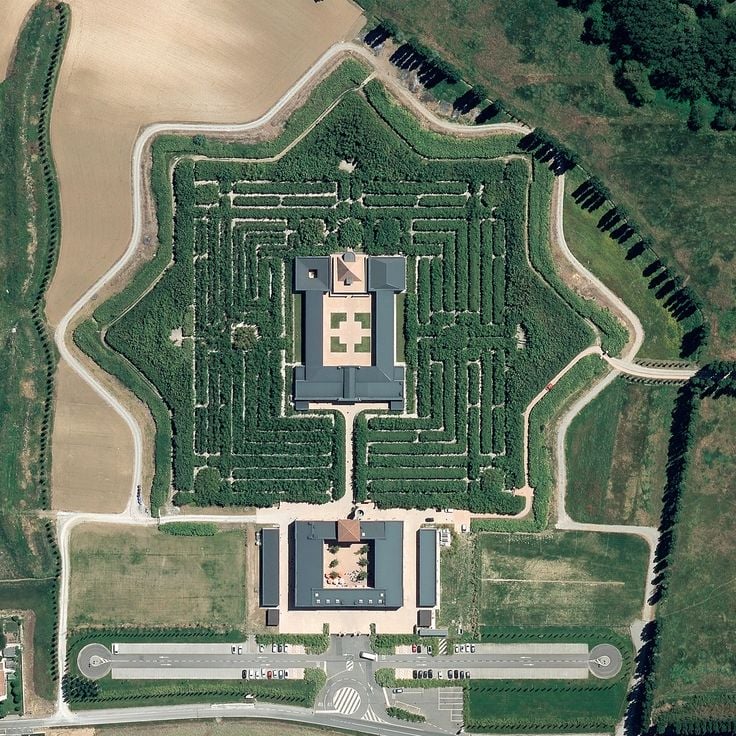
The Labirinto della Masone sits near Parma and is a labyrinth made from bamboo, built between 2005 and 2015 by publisher Franco Maria Ricci. Its winding paths are bordered by over 200,000 bamboo plants of different species. It is one of the largest bamboo labyrinths ever created. Inside, a cultural center displays works of art alongside a library holding around 15,000 books on the history of labyrinths. A restaurant and exhibition spaces are also on site. The Labirinto della Masone shows how a contemporary garden can bring the ancient labyrinth idea to life on a grand scale.
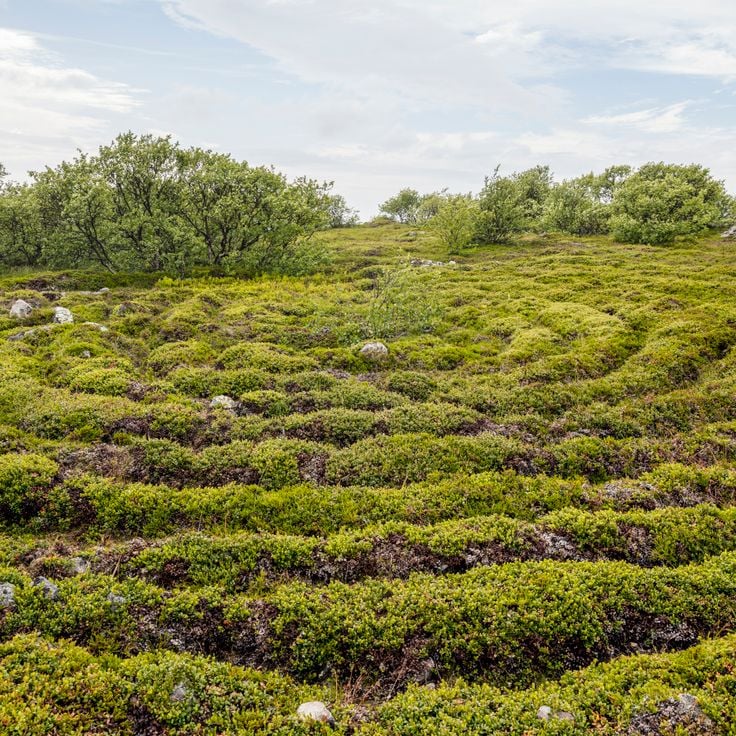
The stone labyrinths of Bolshoi Zayatsky Island fit naturally into this collection of paths that have guided people across the centuries. This White Sea island holds around 35 prehistoric structures dating from the first millennium BC. Flat stones were arranged into low walls forming concentric or spiral patterns. Archaeologists think these structures served ritual or astronomical purposes, showing how early communities gave meaning to movement through a landscape.
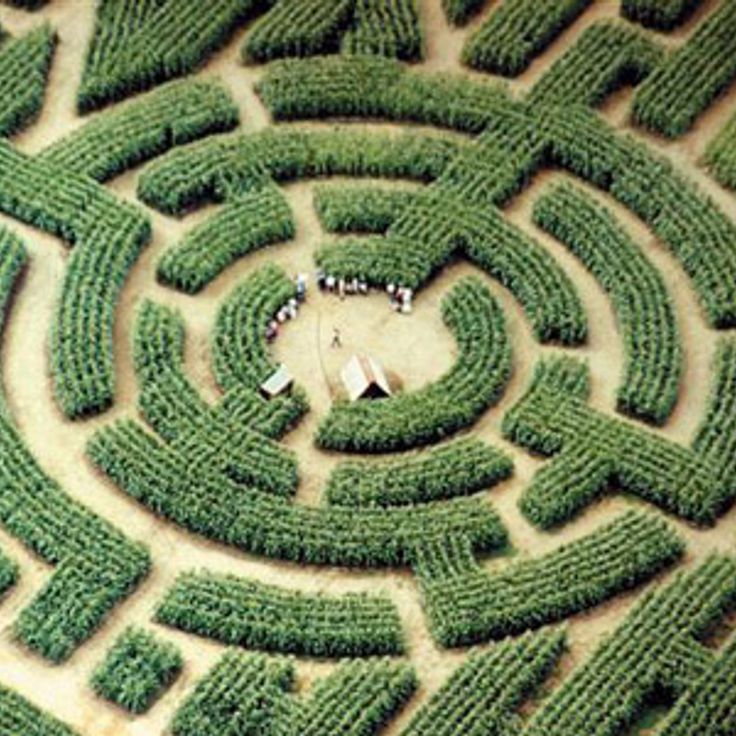
The Barvaux Labyrinth is a corn maze in Belgium that gets a new design each year, built around a different theme. Visitors walk through tall rows of corn, trying to find their way while solving puzzles and taking on small challenges. It shows how the old idea of the labyrinth still works today, as a place for families and groups to move through together and get a little lost.
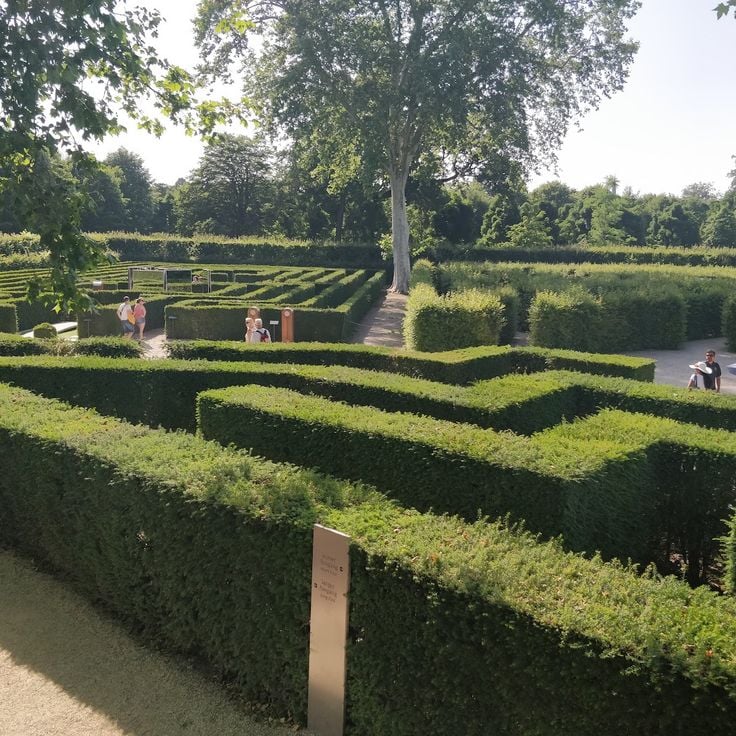
The hedge maze at Schönbrunn Palace is made of carefully trimmed hedgerows that form narrow winding paths. A raised platform lets visitors see the full pattern from above. The maze was rebuilt following historical plans from the 18th century and is now part of the baroque garden that surrounds the palace. It shows how garden designers of that era used geometric shapes to turn a simple walk into something that requires thought and attention.
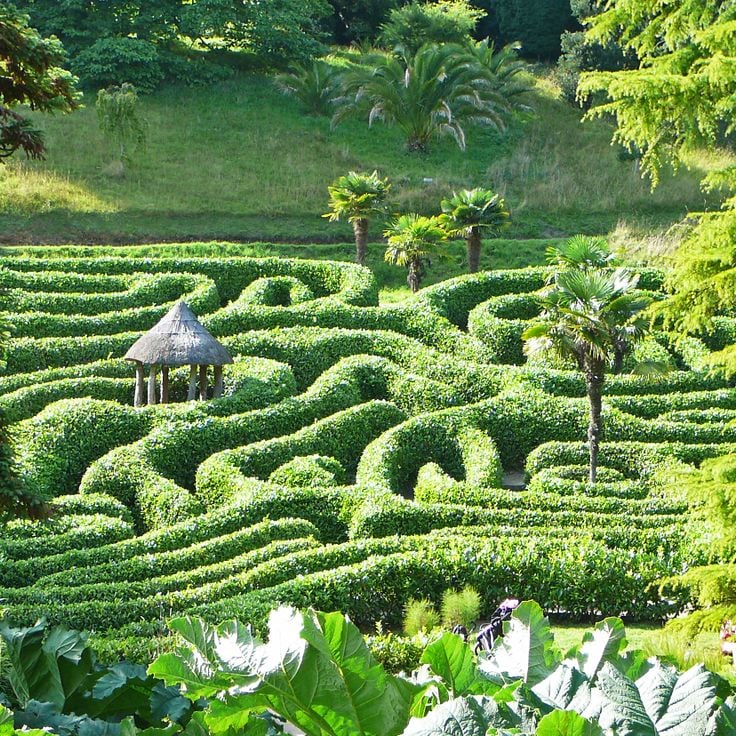
The maze at Glendurgan Garden was created in 1833 in a sheltered valley in Cornwall. Dense cherry laurel hedges shape the paths and have grown to their current height over nearly two centuries. The winding routes lead to a small thatched hut at the center, where visitors can rest after making their way through the passages. Glendurgan Garden is part of a collection that documents labyrinths from different cultures and periods, from medieval stone mosaics in cathedrals to underground spaces like the Paris Catacombs.
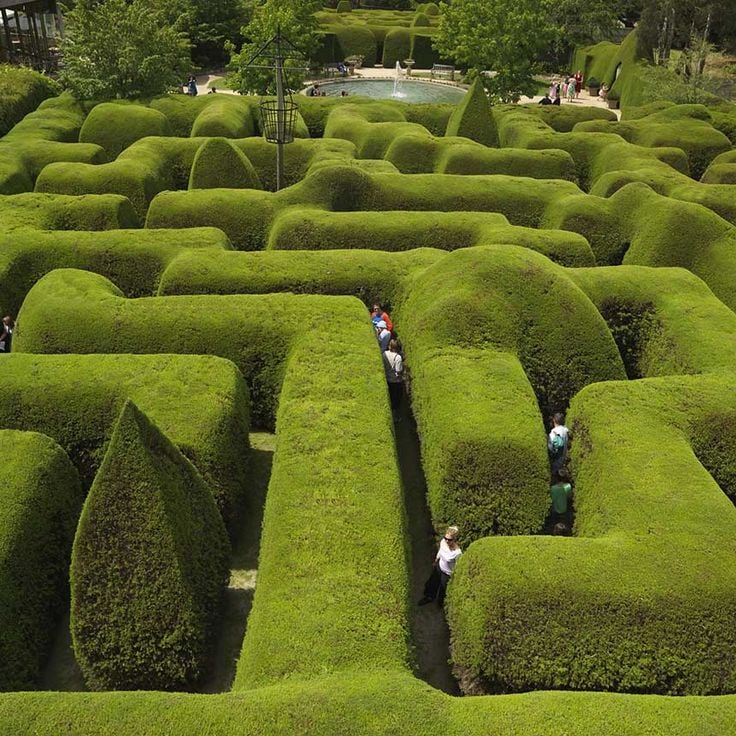
Ashcombe Maze and Lavender Gardens sits in rural Shoreham on Victoria's Mornington Peninsula, showing how the labyrinth tradition lives on in garden design today. Two hedge mazes made from Monterey cypress trees form dense corridors that visitors walk through and try to navigate. Nearby lavender fields bloom from November to January, filling the surrounding space with color and scent.
The Richardson Adventure Farm Corn Maze in Illinois shows how the old idea of a labyrinth lives on in a modern setting. Each year, a new pattern is cut into the cornfields, with paths that guide visitors through different sections and checkpoints. In fall, the maze opens its gates and invites families to lose themselves among tall corn plants. Like the stone passages of Chartres or the hedge mazes of English estates, this place shows that the labyrinth as an idea has stayed alive.
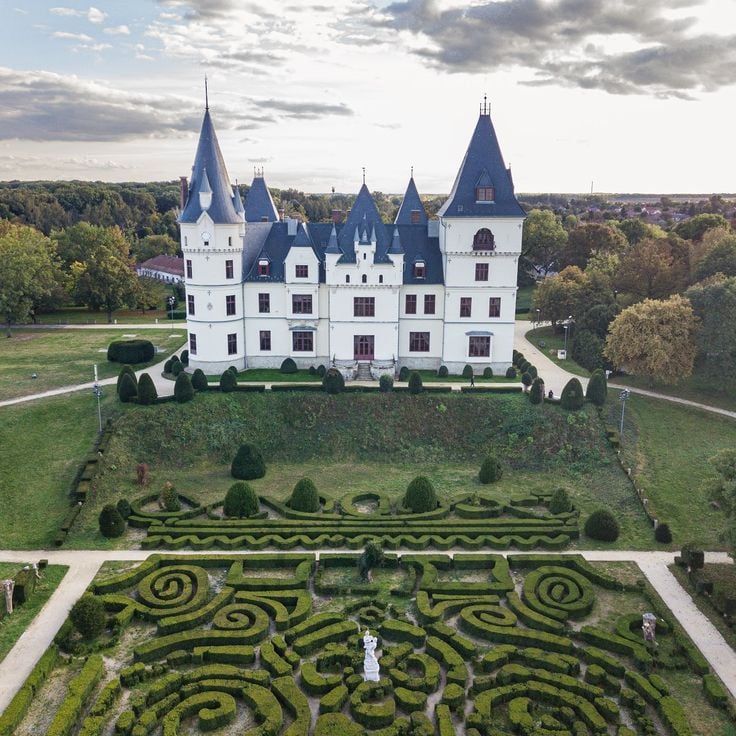
The maze in the gardens of Andrássy Castle was laid out in the 19th century as part of the estate's formal grounds. Boxwood hedges line the paths, which follow geometric patterns in the style common to European aristocratic gardens of that period. Walking through it today, you get a sense of how the owners of such estates used the garden to express order and refinement. The maze fits naturally into the broader story of hedge gardens that spread across Europe from Hampton Court onward.
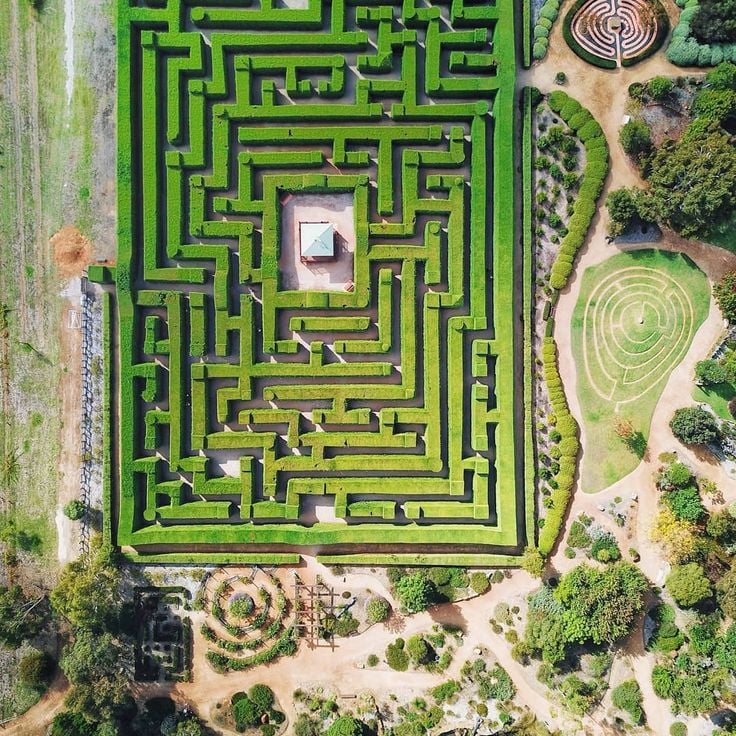
The Margaret River Maze is a hedge labyrinth in southwestern Australia that shows how the garden maze tradition continues today. Paths wind through native plants and covered passages that echo older formal garden designs. The layout is divided into sections, so walkers move from one area to the next without seeing what comes ahead. It brings together living plants and structured design, making the route itself the point of the visit.
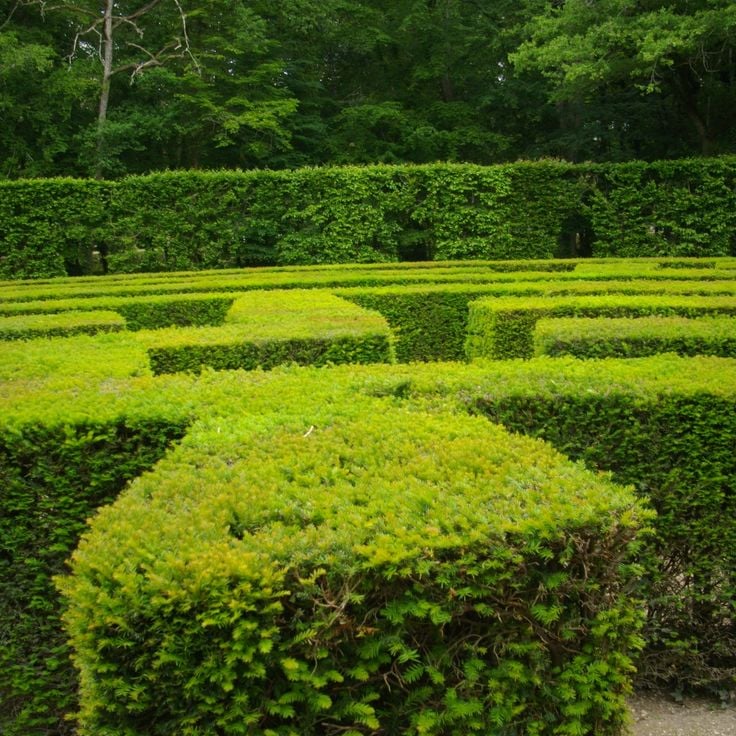
The Chenonceau Maze sits within the gardens of the château in the Loire Valley and is part of a collection exploring how labyrinths have been built across centuries and cultures. Here, yew trees have been shaped into tall hedges that form winding, narrow paths. Visitors who walk through the maze quickly lose their sense of direction as the view of the château and the river shifts with every turn. The design follows the geometric style that was popular in Renaissance gardens during the 16th century, when formal hedged paths became a feature of European estates.
The Five Senses Garden Maze in Yvoire is laid out in a medieval style and takes visitors along winding paths through different sections. Each part of the garden engages one of the five senses: aromatic herbs for smell, plants with varied textures for touch, flowers for sight, and water features for sound. This garden shows how a labyrinth can be more than a path, it can also be a journey through the senses.
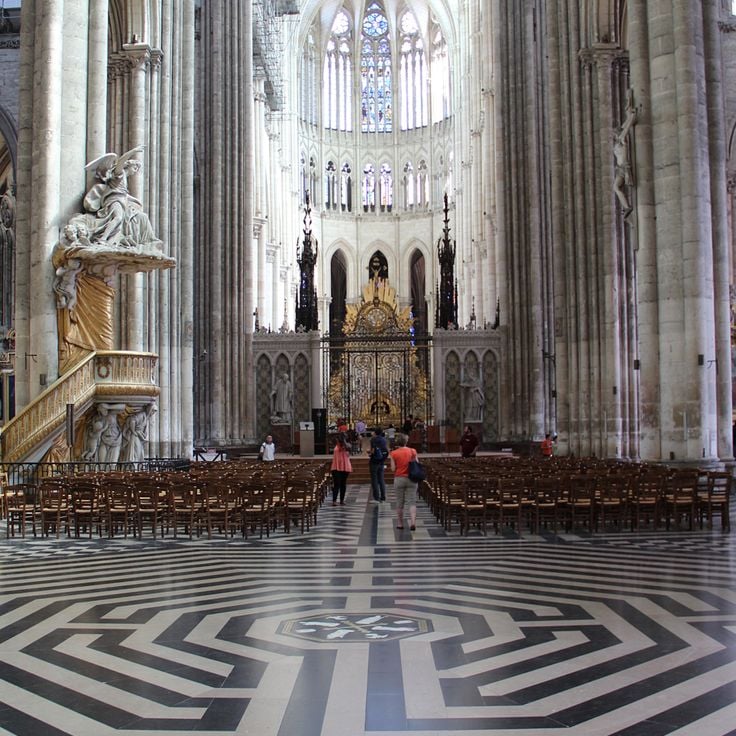
The labyrinth of Amiens Cathedral was set into the floor of the nave in the 13th century. Black and white stones form a geometric pattern that leads visitors through 13 turns from the entrance to the center. People once walked this path on their knees, as a symbolic pilgrimage to Jerusalem. This stone labyrinth is one of the surviving medieval examples of this liturgical practice in French cathedrals.
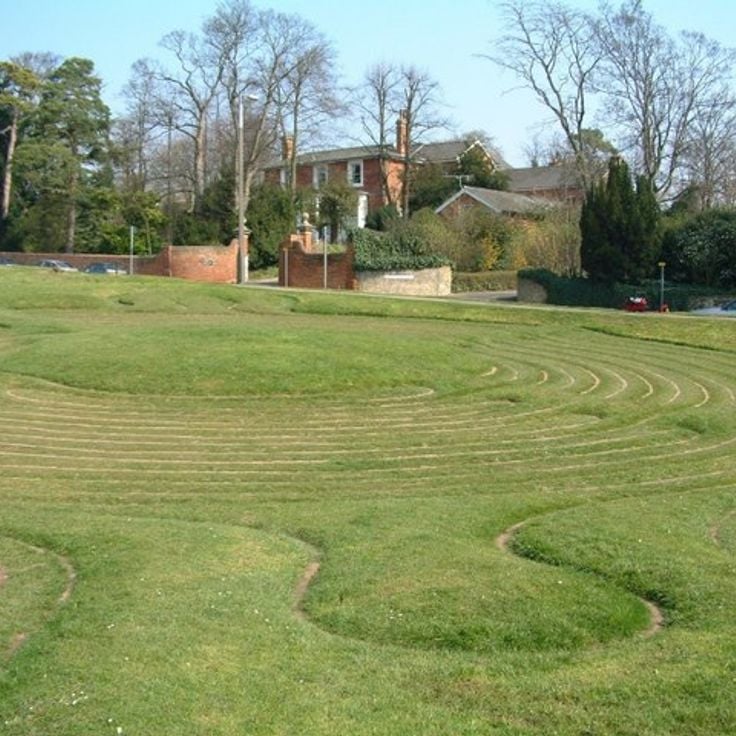
The Saffron Walden Maze sits on the Village Green and is one of the largest turf labyrinths of its kind in England. A single winding path cut into the grass leads from the outer edge to the center through a series of concentric rings. This medieval labyrinth shows how people shaped the land itself into a walking path long before hedge mazes and stone designs became common.
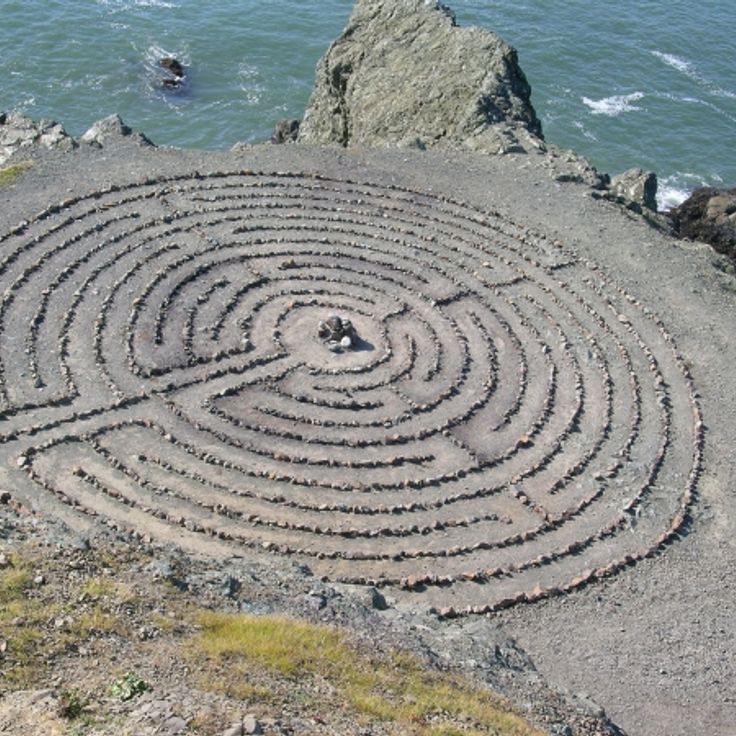
The Lands End Maze sits on a cliff above the Pacific Ocean in San Francisco. It is made of concentric stone circles that visitors can walk along. Like the stone labyrinths laid into medieval cathedral floors or the hedge mazes of English gardens, this path draws people inward, one ring at a time. The setting above the water gives the walk a particular quality that makes the old form feel at home in a new place.
The Chartres Cathedral Labyrinth is one of the most celebrated floor labyrinths in this collection. Built in the 13th century, it covers the floor of the central nave in a pattern of black and white stone slabs arranged in eleven concentric circles. Pilgrims have long walked this path as a symbolic journey to Jerusalem, some doing so on their knees.
The hedge maze at Longleat House is part of a long tradition of labyrinths that people have built across the world. Planted in 1975 with English yew trees, it sends visitors along winding paths through dense hedges in search of the center. Longleat shows how English country houses from the 16th century onward made hedge mazes a part of their formal gardens, just as medieval cathedrals laid stone floor patterns and Italian villas wove geometric paths into their terraces.
The Villa Pisani Labyrinth is part of a collection tracing how labyrinths have shaped human spaces across centuries. This hedge maze was created in the 18th century for the Pisani family, a noble Venetian household. Tall boxwood hedges form a winding network of paths. At the center stands a two-story tower with a spiral staircase, where visitors can look down over the whole maze. The villa is a Baroque palace sitting along the Brenta Canal.
The Horta Labyrinth Park in Barcelona was laid out in 1794 and shows how late 18th-century gardens used pathways as a form of art. Cypress hedges lead visitors through a winding pattern toward a statue of Eros. Along the way, sculptures of Greek figures such as Ariadne and Dionysus stand among the greenery. The upper part of the park has a romantic feel, with waterfalls and small channels, while the lower terraces follow a strict geometric layout typical of neoclassical garden design. This park brings together Italian and French garden traditions in one of Barcelona's oldest surviving green spaces.
The Hampton Court Palace Maze is one of the oldest surviving hedge mazes in England. King William III commissioned it around 1690 as part of the formal gardens surrounding the palace. The yew hedges grow up to 6 feet (about 2 meters) tall and form a trapezoid of crossing and branching paths. Those who reach the center find a raised platform where you can look out over the hedges. This maze shows how 17th-century English royal gardens were designed not just for beauty, but also for play and exploration.
The Dole Plantation Pineapple Maze on Oahu is part of this collection of labyrinths from different cultures and periods. The winding paths pass through sections of pineapple, hibiscus, and heliconia plants arranged in geometric patterns. Walking through it, you get a sense of how a living garden can guide your steps, much like the stone mosaics and hedge mazes of other times and places.
The Peace Maze at Castlewellan Forest Park is a hedge labyrinth made from around 6,000 yew trees planted by the local community. Its paths twist through dense green hedges, inviting visitors to slow down and pay attention to the walk itself. The maze continues a long tradition of labyrinth-making, from stone floor patterns in medieval churches to trimmed hedges in castle gardens, where movement and meaning have always gone hand in hand.
The Wieliczka Salt Mine is an underground labyrinth with nine levels going down to about 1,000 feet (327 meters) below the surface. Since the 13th century, miners carved chapels, sculptures, and reliefs directly out of the salt rock. The tunnels and chambers run entirely through salt, and some rooms hold still lakes of salt water. Walking through this mine, you can see how people over the centuries turned a place of hard work into a space for art and prayer.
Leeds Castle Maze shows how English castles brought hedge mazes into their formal gardens from the 16th century onward. Around 2,400 yew trees are arranged in a circular pattern across the grounds. At the center, an underground grotto waits as the final destination. The tall yew hedges create winding paths that connect the castle, its garden, and the surrounding landscape into a single experience.
The Labirinto della Masone sits near Parma and is a labyrinth made from bamboo, built between 2005 and 2015 by publisher Franco Maria Ricci. Its winding paths are bordered by over 200,000 bamboo plants of different species. It is one of the largest bamboo labyrinths ever created. Inside, a cultural center displays works of art alongside a library holding around 15,000 books on the history of labyrinths. A restaurant and exhibition spaces are also on site. The Labirinto della Masone shows how a contemporary garden can bring the ancient labyrinth idea to life on a grand scale.
The stone labyrinths of Bolshoi Zayatsky Island fit naturally into this collection of paths that have guided people across the centuries. This White Sea island holds around 35 prehistoric structures dating from the first millennium BC. Flat stones were arranged into low walls forming concentric or spiral patterns. Archaeologists think these structures served ritual or astronomical purposes, showing how early communities gave meaning to movement through a landscape.
The Barvaux Labyrinth is a corn maze in Belgium that gets a new design each year, built around a different theme. Visitors walk through tall rows of corn, trying to find their way while solving puzzles and taking on small challenges. It shows how the old idea of the labyrinth still works today, as a place for families and groups to move through together and get a little lost.
The hedge maze at Schönbrunn Palace is made of carefully trimmed hedgerows that form narrow winding paths. A raised platform lets visitors see the full pattern from above. The maze was rebuilt following historical plans from the 18th century and is now part of the baroque garden that surrounds the palace. It shows how garden designers of that era used geometric shapes to turn a simple walk into something that requires thought and attention.
The maze at Glendurgan Garden was created in 1833 in a sheltered valley in Cornwall. Dense cherry laurel hedges shape the paths and have grown to their current height over nearly two centuries. The winding routes lead to a small thatched hut at the center, where visitors can rest after making their way through the passages. Glendurgan Garden is part of a collection that documents labyrinths from different cultures and periods, from medieval stone mosaics in cathedrals to underground spaces like the Paris Catacombs.
Ashcombe Maze and Lavender Gardens sits in rural Shoreham on Victoria's Mornington Peninsula, showing how the labyrinth tradition lives on in garden design today. Two hedge mazes made from Monterey cypress trees form dense corridors that visitors walk through and try to navigate. Nearby lavender fields bloom from November to January, filling the surrounding space with color and scent.
The Richardson Adventure Farm Corn Maze in Illinois shows how the old idea of a labyrinth lives on in a modern setting. Each year, a new pattern is cut into the cornfields, with paths that guide visitors through different sections and checkpoints. In fall, the maze opens its gates and invites families to lose themselves among tall corn plants. Like the stone passages of Chartres or the hedge mazes of English estates, this place shows that the labyrinth as an idea has stayed alive.
The maze in the gardens of Andrássy Castle was laid out in the 19th century as part of the estate's formal grounds. Boxwood hedges line the paths, which follow geometric patterns in the style common to European aristocratic gardens of that period. Walking through it today, you get a sense of how the owners of such estates used the garden to express order and refinement. The maze fits naturally into the broader story of hedge gardens that spread across Europe from Hampton Court onward.
The Margaret River Maze is a hedge labyrinth in southwestern Australia that shows how the garden maze tradition continues today. Paths wind through native plants and covered passages that echo older formal garden designs. The layout is divided into sections, so walkers move from one area to the next without seeing what comes ahead. It brings together living plants and structured design, making the route itself the point of the visit.
The Chenonceau Maze sits within the gardens of the château in the Loire Valley and is part of a collection exploring how labyrinths have been built across centuries and cultures. Here, yew trees have been shaped into tall hedges that form winding, narrow paths. Visitors who walk through the maze quickly lose their sense of direction as the view of the château and the river shifts with every turn. The design follows the geometric style that was popular in Renaissance gardens during the 16th century, when formal hedged paths became a feature of European estates.
The Five Senses Garden Maze in Yvoire is laid out in a medieval style and takes visitors along winding paths through different sections. Each part of the garden engages one of the five senses: aromatic herbs for smell, plants with varied textures for touch, flowers for sight, and water features for sound. This garden shows how a labyrinth can be more than a path, it can also be a journey through the senses.
The labyrinth of Amiens Cathedral was set into the floor of the nave in the 13th century. Black and white stones form a geometric pattern that leads visitors through 13 turns from the entrance to the center. People once walked this path on their knees, as a symbolic pilgrimage to Jerusalem. This stone labyrinth is one of the surviving medieval examples of this liturgical practice in French cathedrals.
The Saffron Walden Maze sits on the Village Green and is one of the largest turf labyrinths of its kind in England. A single winding path cut into the grass leads from the outer edge to the center through a series of concentric rings. This medieval labyrinth shows how people shaped the land itself into a walking path long before hedge mazes and stone designs became common.
The Lands End Maze sits on a cliff above the Pacific Ocean in San Francisco. It is made of concentric stone circles that visitors can walk along. Like the stone labyrinths laid into medieval cathedral floors or the hedge mazes of English gardens, this path draws people inward, one ring at a time. The setting above the water gives the walk a particular quality that makes the old form feel at home in a new place.
The Chartres Cathedral Labyrinth is one of the most celebrated floor labyrinths in this collection. Built in the 13th century, it covers the floor of the central nave in a pattern of black and white stone slabs arranged in eleven concentric circles. Pilgrims have long walked this path as a symbolic journey to Jerusalem, some doing so on their knees.
The hedge maze at Longleat House is part of a long tradition of labyrinths that people have built across the world. Planted in 1975 with English yew trees, it sends visitors along winding paths through dense hedges in search of the center. Longleat shows how English country houses from the 16th century onward made hedge mazes a part of their formal gardens, just as medieval cathedrals laid stone floor patterns and Italian villas wove geometric paths into their terraces.
The Villa Pisani Labyrinth is part of a collection tracing how labyrinths have shaped human spaces across centuries. This hedge maze was created in the 18th century for the Pisani family, a noble Venetian household. Tall boxwood hedges form a winding network of paths. At the center stands a two-story tower with a spiral staircase, where visitors can look down over the whole maze. The villa is a Baroque palace sitting along the Brenta Canal.
The Horta Labyrinth Park in Barcelona was laid out in 1794 and shows how late 18th-century gardens used pathways as a form of art. Cypress hedges lead visitors through a winding pattern toward a statue of Eros. Along the way, sculptures of Greek figures such as Ariadne and Dionysus stand among the greenery. The upper part of the park has a romantic feel, with waterfalls and small channels, while the lower terraces follow a strict geometric layout typical of neoclassical garden design. This park brings together Italian and French garden traditions in one of Barcelona's oldest surviving green spaces.
The Hampton Court Palace Maze is one of the oldest surviving hedge mazes in England. King William III commissioned it around 1690 as part of the formal gardens surrounding the palace. The yew hedges grow up to 6 feet (about 2 meters) tall and form a trapezoid of crossing and branching paths. Those who reach the center find a raised platform where you can look out over the hedges. This maze shows how 17th-century English royal gardens were designed not just for beauty, but also for play and exploration.
The Dole Plantation Pineapple Maze on Oahu is part of this collection of labyrinths from different cultures and periods. The winding paths pass through sections of pineapple, hibiscus, and heliconia plants arranged in geometric patterns. Walking through it, you get a sense of how a living garden can guide your steps, much like the stone mosaics and hedge mazes of other times and places.
The Peace Maze at Castlewellan Forest Park is a hedge labyrinth made from around 6,000 yew trees planted by the local community. Its paths twist through dense green hedges, inviting visitors to slow down and pay attention to the walk itself. The maze continues a long tradition of labyrinth-making, from stone floor patterns in medieval churches to trimmed hedges in castle gardens, where movement and meaning have always gone hand in hand.
The Wieliczka Salt Mine is an underground labyrinth with nine levels going down to about 1,000 feet (327 meters) below the surface. Since the 13th century, miners carved chapels, sculptures, and reliefs directly out of the salt rock. The tunnels and chambers run entirely through salt, and some rooms hold still lakes of salt water. Walking through this mine, you can see how people over the centuries turned a place of hard work into a space for art and prayer.
Leeds Castle Maze shows how English castles brought hedge mazes into their formal gardens from the 16th century onward. Around 2,400 yew trees are arranged in a circular pattern across the grounds. At the center, an underground grotto waits as the final destination. The tall yew hedges create winding paths that connect the castle, its garden, and the surrounding landscape into a single experience.
The Labirinto della Masone sits near Parma and is a labyrinth made from bamboo, built between 2005 and 2015 by publisher Franco Maria Ricci. Its winding paths are bordered by over 200,000 bamboo plants of different species. It is one of the largest bamboo labyrinths ever created. Inside, a cultural center displays works of art alongside a library holding around 15,000 books on the history of labyrinths. A restaurant and exhibition spaces are also on site. The Labirinto della Masone shows how a contemporary garden can bring the ancient labyrinth idea to life on a grand scale.
The stone labyrinths of Bolshoi Zayatsky Island fit naturally into this collection of paths that have guided people across the centuries. This White Sea island holds around 35 prehistoric structures dating from the first millennium BC. Flat stones were arranged into low walls forming concentric or spiral patterns. Archaeologists think these structures served ritual or astronomical purposes, showing how early communities gave meaning to movement through a landscape.
The Barvaux Labyrinth is a corn maze in Belgium that gets a new design each year, built around a different theme. Visitors walk through tall rows of corn, trying to find their way while solving puzzles and taking on small challenges. It shows how the old idea of the labyrinth still works today, as a place for families and groups to move through together and get a little lost.
The hedge maze at Schönbrunn Palace is made of carefully trimmed hedgerows that form narrow winding paths. A raised platform lets visitors see the full pattern from above. The maze was rebuilt following historical plans from the 18th century and is now part of the baroque garden that surrounds the palace. It shows how garden designers of that era used geometric shapes to turn a simple walk into something that requires thought and attention.
The maze at Glendurgan Garden was created in 1833 in a sheltered valley in Cornwall. Dense cherry laurel hedges shape the paths and have grown to their current height over nearly two centuries. The winding routes lead to a small thatched hut at the center, where visitors can rest after making their way through the passages. Glendurgan Garden is part of a collection that documents labyrinths from different cultures and periods, from medieval stone mosaics in cathedrals to underground spaces like the Paris Catacombs.
Ashcombe Maze and Lavender Gardens sits in rural Shoreham on Victoria's Mornington Peninsula, showing how the labyrinth tradition lives on in garden design today. Two hedge mazes made from Monterey cypress trees form dense corridors that visitors walk through and try to navigate. Nearby lavender fields bloom from November to January, filling the surrounding space with color and scent.
The Richardson Adventure Farm Corn Maze in Illinois shows how the old idea of a labyrinth lives on in a modern setting. Each year, a new pattern is cut into the cornfields, with paths that guide visitors through different sections and checkpoints. In fall, the maze opens its gates and invites families to lose themselves among tall corn plants. Like the stone passages of Chartres or the hedge mazes of English estates, this place shows that the labyrinth as an idea has stayed alive.
The maze in the gardens of Andrássy Castle was laid out in the 19th century as part of the estate's formal grounds. Boxwood hedges line the paths, which follow geometric patterns in the style common to European aristocratic gardens of that period. Walking through it today, you get a sense of how the owners of such estates used the garden to express order and refinement. The maze fits naturally into the broader story of hedge gardens that spread across Europe from Hampton Court onward.
The Margaret River Maze is a hedge labyrinth in southwestern Australia that shows how the garden maze tradition continues today. Paths wind through native plants and covered passages that echo older formal garden designs. The layout is divided into sections, so walkers move from one area to the next without seeing what comes ahead. It brings together living plants and structured design, making the route itself the point of the visit.
The Chenonceau Maze sits within the gardens of the château in the Loire Valley and is part of a collection exploring how labyrinths have been built across centuries and cultures. Here, yew trees have been shaped into tall hedges that form winding, narrow paths. Visitors who walk through the maze quickly lose their sense of direction as the view of the château and the river shifts with every turn. The design follows the geometric style that was popular in Renaissance gardens during the 16th century, when formal hedged paths became a feature of European estates.
The Five Senses Garden Maze in Yvoire is laid out in a medieval style and takes visitors along winding paths through different sections. Each part of the garden engages one of the five senses: aromatic herbs for smell, plants with varied textures for touch, flowers for sight, and water features for sound. This garden shows how a labyrinth can be more than a path, it can also be a journey through the senses.
The labyrinth of Amiens Cathedral was set into the floor of the nave in the 13th century. Black and white stones form a geometric pattern that leads visitors through 13 turns from the entrance to the center. People once walked this path on their knees, as a symbolic pilgrimage to Jerusalem. This stone labyrinth is one of the surviving medieval examples of this liturgical practice in French cathedrals.
The Saffron Walden Maze sits on the Village Green and is one of the largest turf labyrinths of its kind in England. A single winding path cut into the grass leads from the outer edge to the center through a series of concentric rings. This medieval labyrinth shows how people shaped the land itself into a walking path long before hedge mazes and stone designs became common.
The Lands End Maze sits on a cliff above the Pacific Ocean in San Francisco. It is made of concentric stone circles that visitors can walk along. Like the stone labyrinths laid into medieval cathedral floors or the hedge mazes of English gardens, this path draws people inward, one ring at a time. The setting above the water gives the walk a particular quality that makes the old form feel at home in a new place.
Walking through these paths today means stepping into centuries of human creativity. When you visit a labyrinth, move slowly and pay attention to how your body responds to the turns and curves. Watch for seasonal changes in hedge mazes, which look completely different in summer and winter. A practical tip: arrive early in the morning to avoid crowds and to see how light shapes the pathways at different times of day. Remember that some underground labyrinths require sturdy shoes and can feel cool or damp, so dress appropriately. Whether you walk them as meditation or simply as a way to explore a place, these paths reward those who linger rather than rush through.