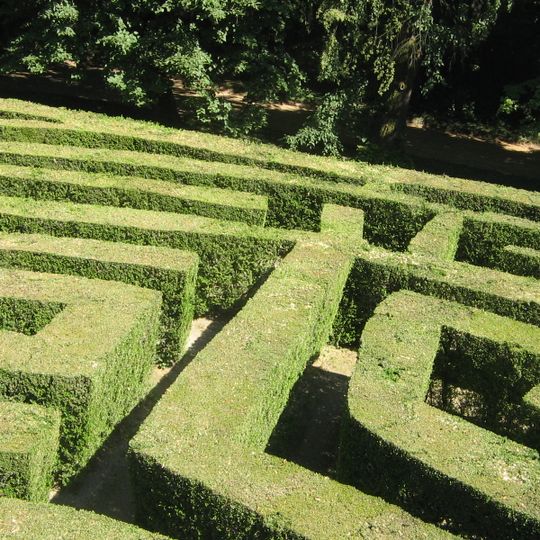
Villa Pisani Labyrinth

Log in to your account

AroundUs is a community-driven map of interesting places, built by curious explorers like you. It grows with every review, story, and photo you share.
Connect to save your favorite spots, contribute locations, and create personalized routes.
By continuing, you accept our Terms and Conditions and our Privacy Policy

Villa Pisani Labyrinth

Add to collection
Map
Suggest a change
Share

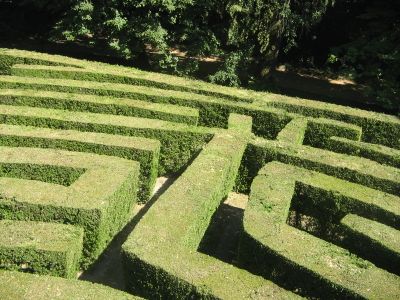
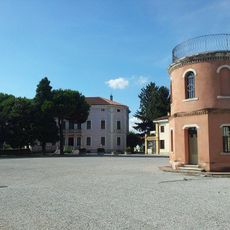
Villa Pisani Labyrinth, Baroque hedge maze in Stra, Italy.

The Villa Pisani Labyrinth in Stra is a Baroque hedge maze featuring nine concentric circles of hedges leading to a central tower. The garden is designed with multiple pathways and dead ends that challenge visitors to find their way through.

The maze was built in 1720 by architect Girolamo Frigimelica for Venetian Doge Alvise Pisani. The property later became part of Napoleon's holdings after French forces took control in 1807.

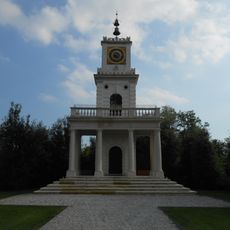
The central tower with its Minerva statue represents the triumph of wisdom over confusion for visitors navigating the maze. This monument at the heart of the labyrinth reminds people that cleverness and patience lead to success.

The maze is accessible and walkable, though it requires physical activity and time to explore the pathways. Visitors should wear comfortable shoes and seek shade on sunny days, as the garden offers little shelter from the sun.

Legend has it that Napoleon lost his way in the maze, while Mussolini and Hitler both chose to avoid it during their 1934 visit. This story shows how even powerful leaders found themselves challenged by this puzzle.

Location: Stra

GPS coordinates: 45.40956,12.01316

Latest update: December 6, 2025 19:05

Photos
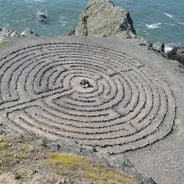
Labyrinths of the world: mosaics of churches, garden routes, underground passages

Labyrinths have been part of human architecture for thousands of years, serving religious, meditative, and decorative purposes. Chartres Cathedral preserves one of the most famous medieval floor mosaics in Europe, guiding pilgrims along a 13-meter-wide path made of blue and white stones. English castles like Hampton Court developed hedge mazes from the 16th century onward as part of their formal gardens, while Italian Renaissance villas integrated geometric stone patterns into their terraces. The collection also includes underground structures such as the Paris Catacombs, whose winding passages were originally quarries, or the Roman cisterns of Istanbul with their rows of columns. Each era and region developed its own techniques: medieval stonework in cathedrals, baroque garden architecture with trimmed hedges, or pre-Columbian temple complexes with ritual pathways. These sites document various construction methods, from laying colored stone mosaics to creating multi-level garden courses to constructing underground vaults. They offer insights into historical craftsmanship and the symbolic meaning of the labyrinth across different cultures.

Reviews

Visited this place? Tap the stars to rate it and share your experience / photos with the community! Try now! You can cancel it anytime.

« Villa Pisani Labyrinth - Baroque hedge maze in Stra, Italy » is provided by Around Us (aroundus.com). Images and texts are derived from Wikimedia project under a Creative Commons license. You are allowed to copy, distribute, and modify copies of this page, under the conditions set by the license, as long as this note is clearly visible.

Discover hidden gems everywhere you go!

From secret cafés to breathtaking viewpoints, skip the crowded tourist spots and find places that match your style. Our app makes it easy with voice search, smart filtering, route optimization, and insider tips from travelers worldwide. Download now for the complete mobile experience.

Around Us App Screenshot

A unique approach to discovering new places

Le Figaro

All the places worth exploring

France Info

A tailor-made excursion in just a few clicks

20 Minutes