L'Alcúdia, municipality of Spain
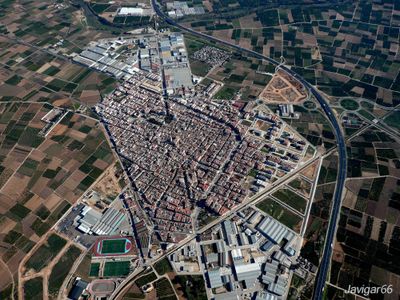
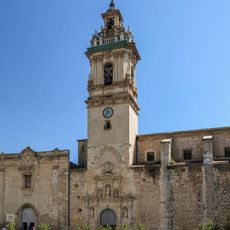
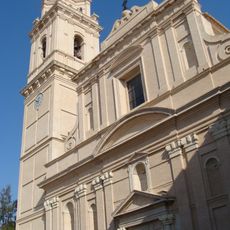
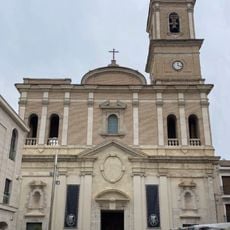
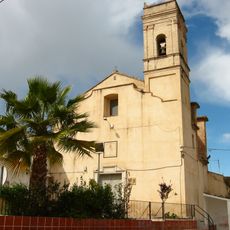
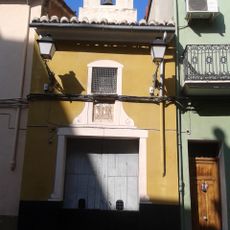
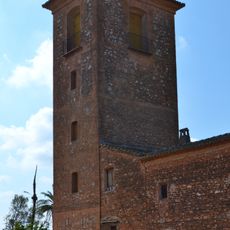
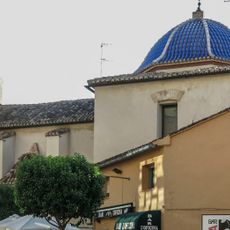
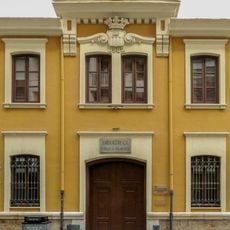
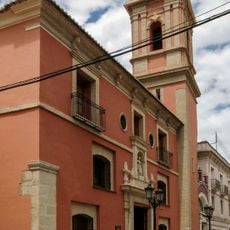
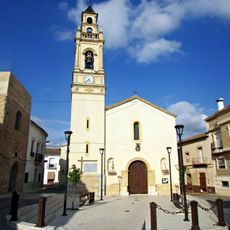
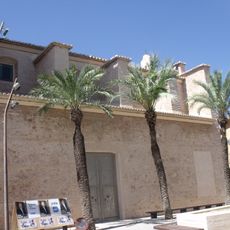
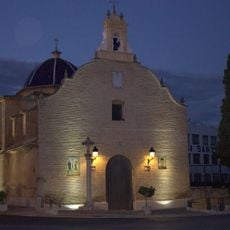
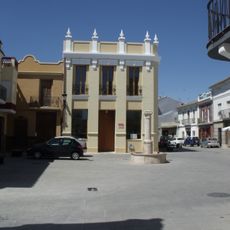
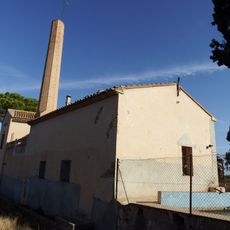
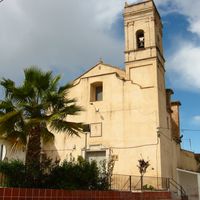
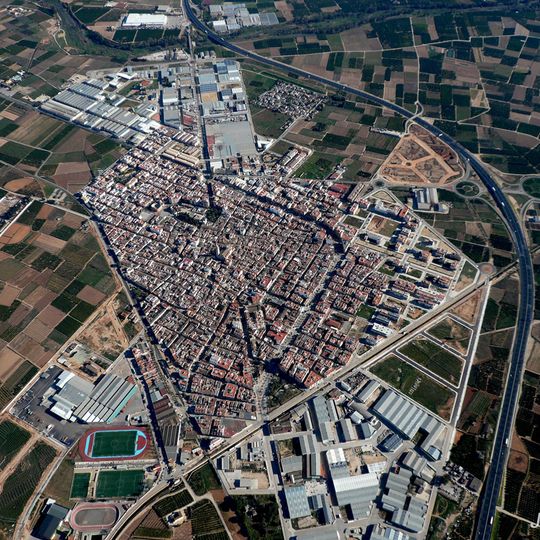
L'Alcúdia is a small municipality in the Ribera Alta region featuring wide streets and simple old houses. The town is dominated by an eighteenth-century church with a large tower and dome, while the surrounding area is characterized by irrigation fields and the nearby Júcar River.
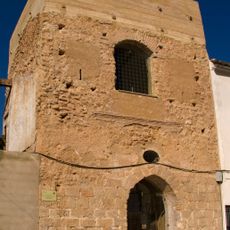
The settlement originated from Arab foundations and was granted by King James I to Pedro de Montagut in 1238, who established it as a regulated community. The place enjoyed prosperity during the Renaissance through silk craftsmanship and agriculture before the railway in the nineteenth century improved its connection to Valencia.
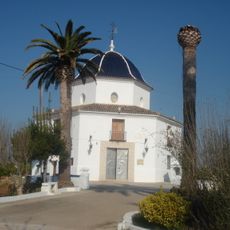
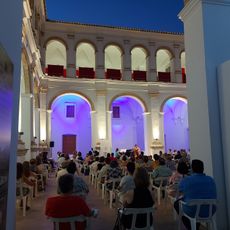
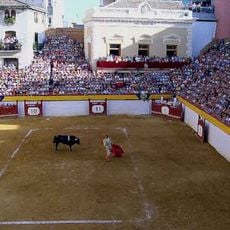
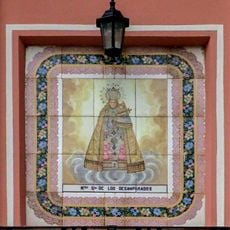
The town comes alive during September festivities honoring the Virgin del Oreto, with processions, traditional dancing, and music filling the streets. The local brass band, active for over a century, continues to perform at important celebrations and maintains these customs.
The town is accessible by car via the Mediterranean highway or by train, with a railway station in the village. Streets are generally peaceful, and the municipality is small enough to explore on foot or by bicycle, with parking available near the center.
In the town center stands an olive tree over two thousand years old, standing as a living witness to the passage of time with its massive trunk and far-reaching branches. The tree was reportedly planted on Saint Andrew's Day and remains today a quiet testament to the deep history of this place.
The community of curious travelers
AroundUs brings together thousands of curated places, local tips, and hidden gems, enriched daily by 91,127 contributors worldwide.