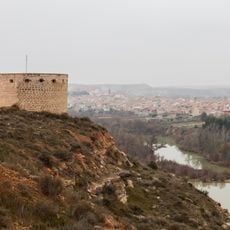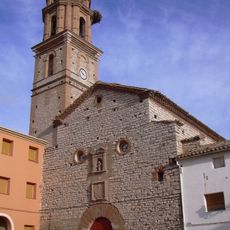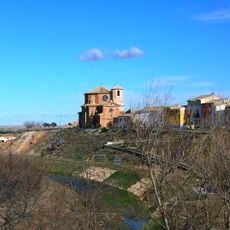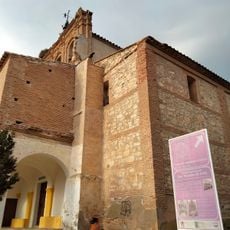
Cabezo de Alcalá, Archaeological site in Azaila, Spain.
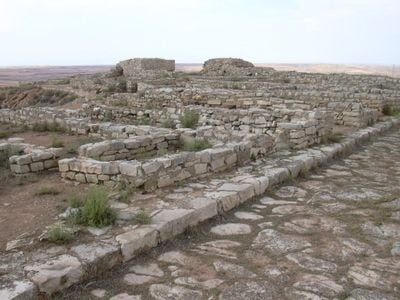
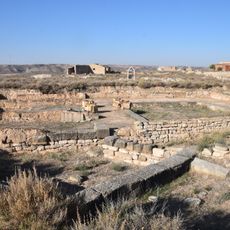
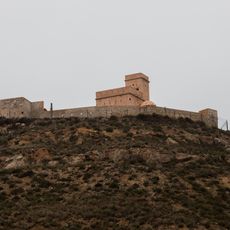
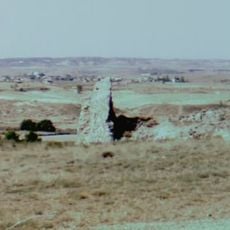
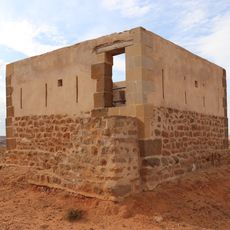
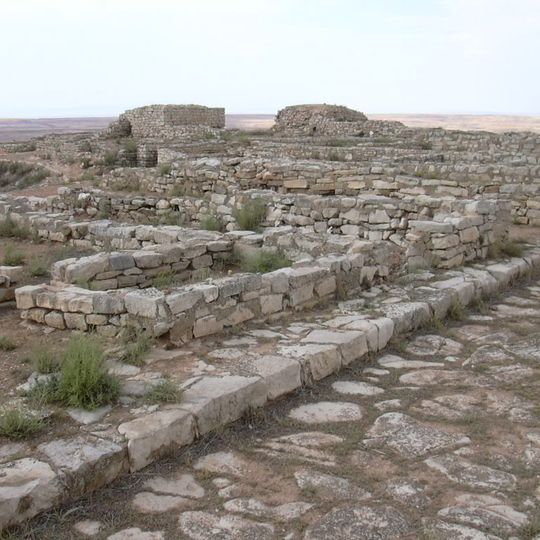
Cabezo de Alcalá is an archaeological site on an elongated hilltop near the Aguasvivas River, where excavations have uncovered remains of an ancient fortified settlement. The ruins reveal an acropolis, multiple residential structures, and a burial ground with intact grave features from early periods.
The settlement began as a Celtic community in ancient times and later developed into an Iberian city before its destruction during Roman military conflicts in 76 BC. This destruction marked the end of a long-established population and led to the site's abandonment.
The painted pottery found here displays Mediterranean artistic influences, revealing how Iberian artisans connected with Greek and Hellenistic traditions. These decorated vessels are visible in the excavated areas, showing the cultural links this settlement maintained with distant civilizations.
The site is only accessible on certain days and typically requires advance notice or a guided visit to explore properly. Wear sturdy footwear as the terrain is hilly and paths can be uneven throughout the excavated areas.
The inhabitants built a sophisticated water storage system with an underground cistern designed to collect and preserve rainwater for extended dry periods or sieges. This engineering solution demonstrates their advanced knowledge of hydraulics and resource management in an arid region.
The community of curious travelers
AroundUs brings together thousands of curated places, local tips, and hidden gems, enriched daily by 90,804 contributors worldwide.