Acueducto de Tempul, Aqueduct in Jerez de la Frontera, Spain
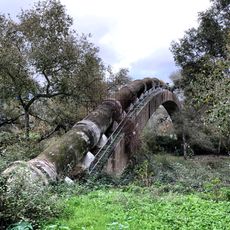
The Tempul Aqueduct is a water transport system in Jerez that carries water from a distant spring into the city. The system consists of pipes, bridges, tunnels, and storage reservoirs working together to maintain continuous flow.
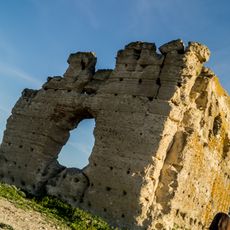
Engineer Angel Mayo de la Fuente designed the water system in 1864 and completed it in 1868 to meet the city's growing water needs. The project partly followed the route of an ancient Roman aqueduct built by Lucius Cornelius Balbus.
The aqueduct's name comes from the Tempul spring, its original water source. The construction fundamentally changed the city by enabling growth through reliable water delivery from the surrounding region.
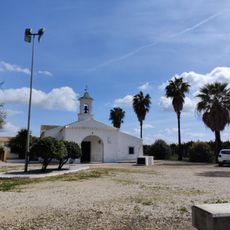
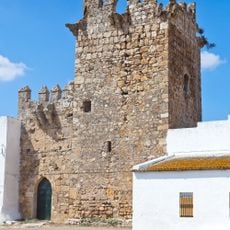
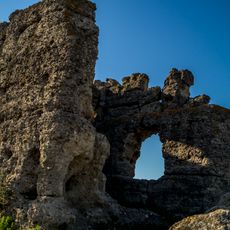
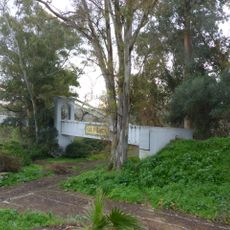
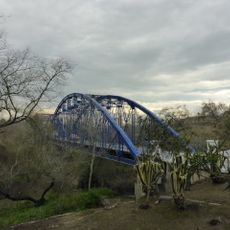
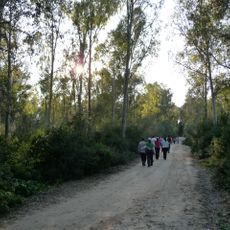
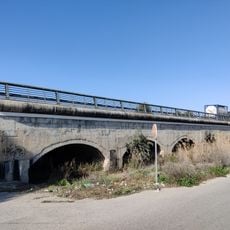
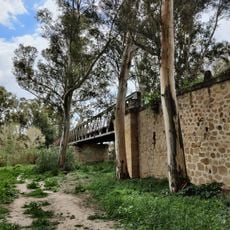
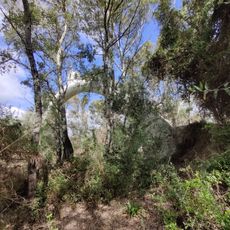
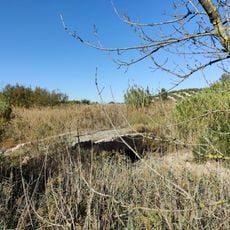
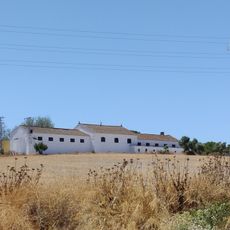
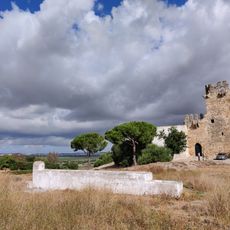
The structure extends across a large area with several inspection houses and control points along the route. Visitors can see various parts of the system, though not all sections are easily accessible as some run through tunnels or over bridges.
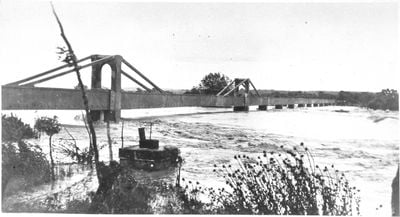
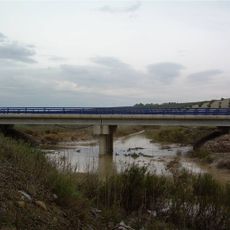
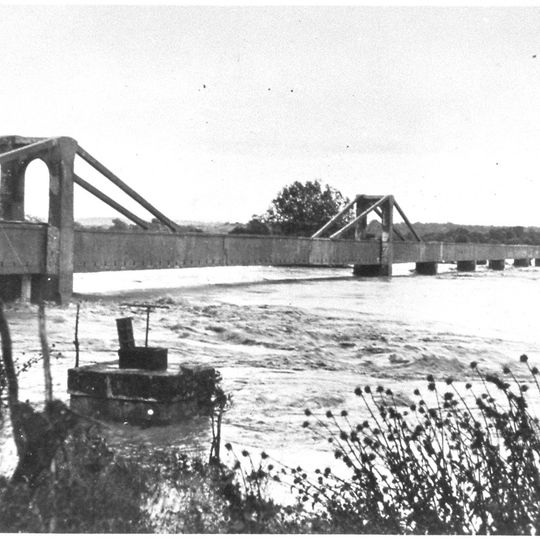
Engineer Eduardo Torroja Miret later incorporated one of Spain's first prestressed concrete structures into the aqueduct when redesigning the crossing over the Guadalete River. This modern engineering technique was integrated into the historic structure, showing how building methods evolved over time.
The community of curious travelers
AroundUs brings together thousands of curated places, local tips, and hidden gems, enriched daily by 91,760 contributors worldwide.