Cueva de la Vieja, Prehistoric rock art cave in Alpera, Spain.
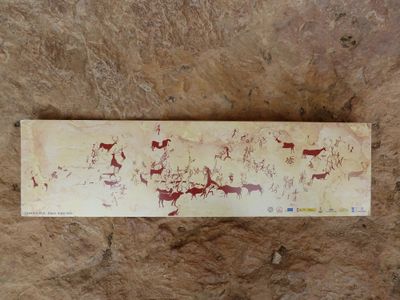
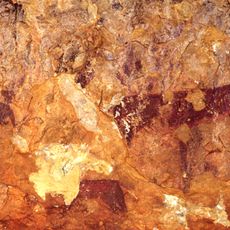
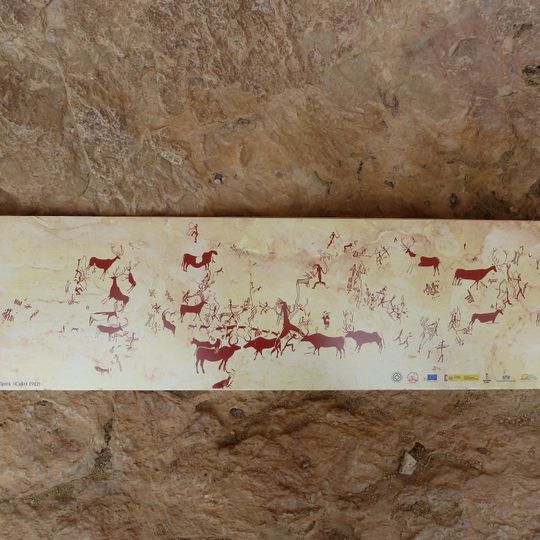
Cueva de la Vieja is a rock cave displaying over 170 painted motifs across a 10-meter surface. The red pigment artwork features archers, human figures, and numerous animal representations created during different prehistoric periods.
The cave was discovered by teacher Pascual Serrano in 1910 and brought to scientific attention. It was declared a Historic and Artistic Monument in 1924 and later recognized as a UNESCO World Heritage site in 1998.
The paintings reflect two different artistic traditions from separate periods of habitation and use. Hunting scenes mix with more abstract designs, showing how different groups used this space over time.
Access to the cave is only through scheduled guided tours that require advance booking. The site sits about 6 kilometers from Alpera town, so visitors should plan travel time and expect limited group sizes for each tour.
The cave holds an unusual collection of animal figures from prehistoric times, including deer, goats, and cattle depicted in hunting scenes. This makes it a key location for understanding how ancient hunter-gatherers documented their daily activities and the animals they pursued.
The community of curious travelers
AroundUs brings together thousands of curated places, local tips, and hidden gems, enriched daily by 60,000 contributors worldwide.