Cuarto de Bayona, cultural property in Huete, Spain
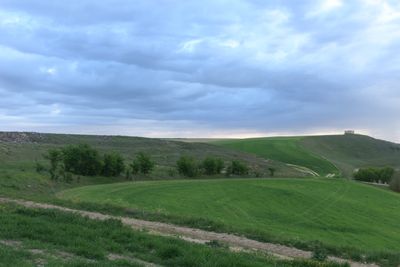
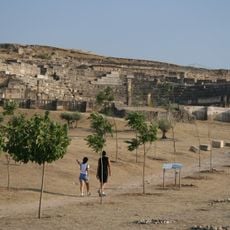
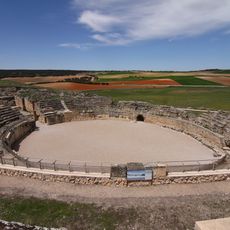
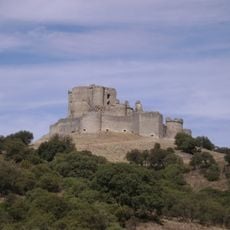
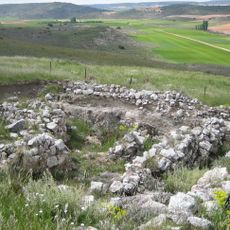
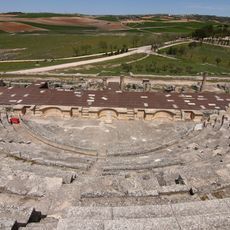
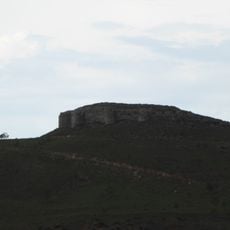
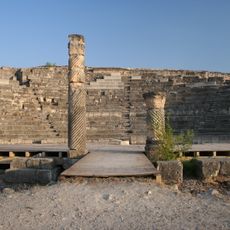
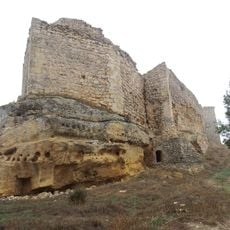
Cuarto de Bayona is an archaeological site of a Celtiberian city on a hilltop near Huete. The settlement was built with protective walls and deep ditches surrounding three main sections, and was home to significant artifacts including coins, bronzeware, and weapons.
The city was founded by the Carpetani people near the end of the 4th century BC and remained inhabited until about 50 BC. It was destroyed in 76 BC during conflicts with Roman-led forces, marking the end of its prosperity.
This was a center of Celtiberian society before Roman arrival. The remains show how residents organized their community with protective walls around homes and public spaces that served daily life.
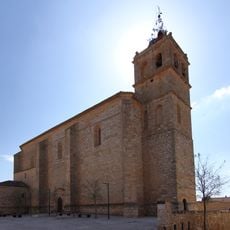
The site sits in flat terrain with easy access on foot or by bicycle from the church of Santo Domingo de Silos in Montalbo. Visitors should bring warm clothing, especially for late afternoon visits or during winter months.
The nearby lagoon is unusually salty, even saltier than the ocean, and serves as a critical resting point for cranes and other migratory birds. From October to December, visitors can watch large flocks arriving and departing, filling the air with their calls as they descend in the evening.
The community of curious travelers
AroundUs brings together thousands of curated places, local tips, and hidden gems, enriched daily by 92,275 contributors worldwide.