Illa de Tabarca, protected area in Spain
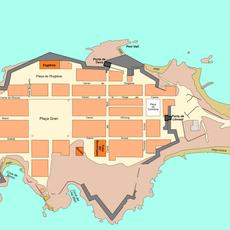
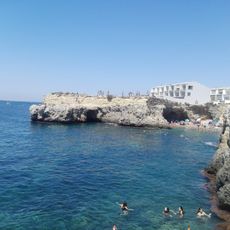
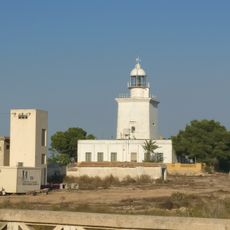
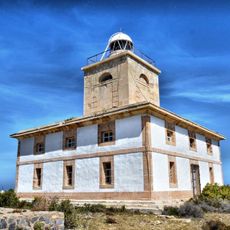
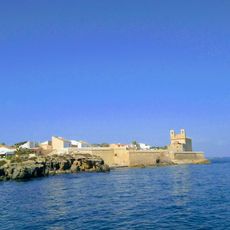
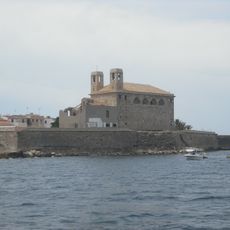
Illa de Tabarca is a small inhabited island off the coast of Alicante, about 2 kilometers long and less than half a kilometer wide. The marine reserve around it covers 1,400 hectares, declared on 9 January 1995, with the island in the central part of a rectangular protected zone. The reserve holds Posidonia oceanica seagrass meadows on sandy bottoms and algae on rock, home to grouper, dentex, spiny lobster, pen shells and loggerhead turtles.
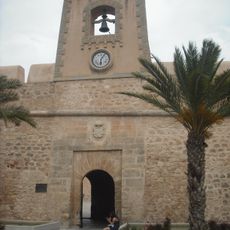
In the 1500s, North African pirates used the island as a base for raids on nearby coastal towns. During the 1700s, Genoese settlers relocated here after their captivity in North Africa, building a new community that at its peak housed around 1,000 residents.
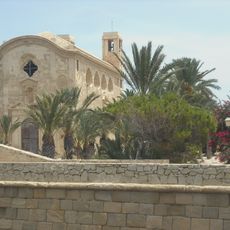
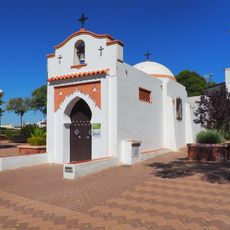
The church of San Pedro y San Pablo, from the late 1700s, remains the village's spiritual centre. The reserve's fishing tradition is reflected in dishes such as Caldero Tabarquino, a rice and fish stew cooked with the local catch. The island's name derives from Tabarka, the Tunisian town where Genoese settlers were held before moving here.
Boats to the island leave from Santa Pola, three nautical miles away, as well as from Alicante, eleven nautical miles off, and Guardamar, seven miles off; several companies run the crossing regularly. The reserve covers 1,400 hectares in a rectangle with the island at its centre, and protection covers both the inner waters managed by the Generalitat Valenciana and the outer waters under the Spanish state.
The reserve was declared on 9 January 1995 and covers 1,400 hectares around the island, with the island itself occupying the central rectangle. It spans both interior waters managed by the Generalitat Valenciana and exterior waters under Spain's central administration, and boats reach it from Alicante (11 nautical miles), Santa Pola (3) and Guardamar (7).
The community of curious travelers
AroundUs brings together thousands of curated places, local tips, and hidden gems, enriched daily by 94,839 contributors worldwide.