Pla de l'Arc, Archaeological site in Llíria, Spain
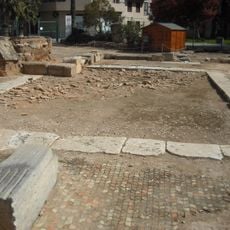
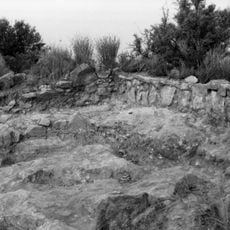
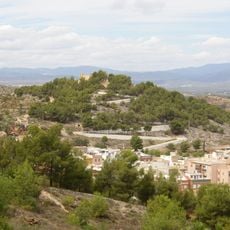
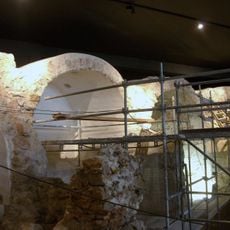
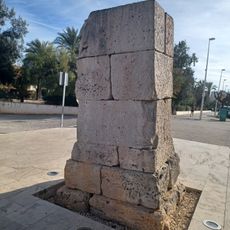
Pla de l'Arc is a Roman archaeological site in Llíria containing remnants from the 1st century, including bathing complexes, burial monuments, and homes spread across the northeastern sector. The layout reveals how residents organized their living spaces and public facilities across the landscape.
The settlement was established as a Roman city after an earlier Iberian community was destroyed, and later received official status with Latin rights. This elevation integrated the place into the formal Roman administrative system.
The site contains hundreds of carved inscriptions that show how residents used Latin and Greek in their daily lives and religious practices. These writings scattered across the ruins reveal the way this community expressed itself through public monuments and private dedications.
The site is generally accessible for visitor exploration of the scattered archaeological zones, and it is advisable to wear comfortable shoes and bring sun protection. The terrain can be uneven and partially overgrown, so allow time to examine the structures closely.
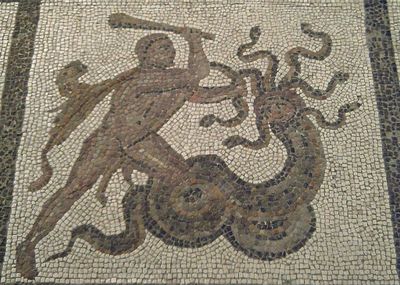
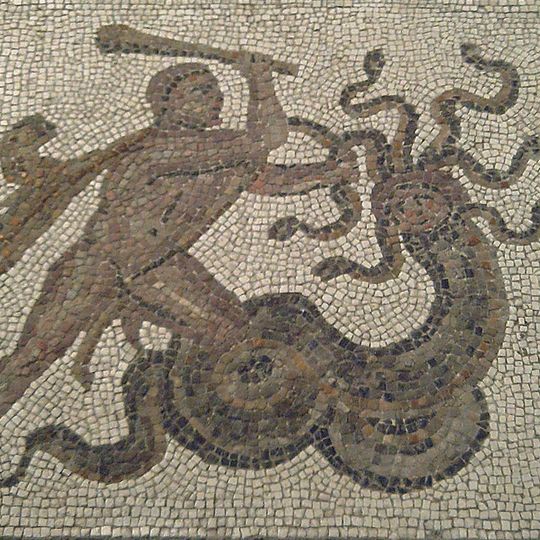
A detailed mosaic depicting the twelve labors of Hercules was discovered in 1917 at a nearby villa and now resides in the National Archaeological Museum of Madrid. This ornate artwork illustrates how Roman households decorated their rooms with mythological scenes.
The community of curious travelers
AroundUs brings together thousands of curated places, local tips, and hidden gems, enriched daily by 60,000 contributors worldwide.