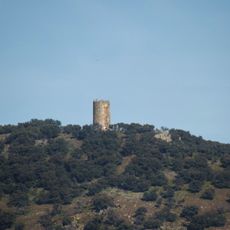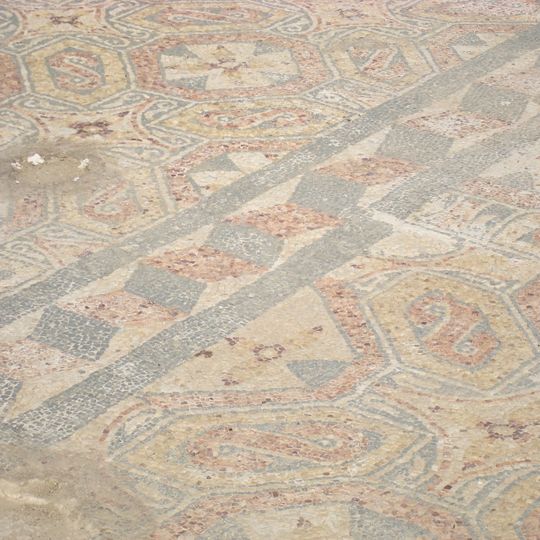
Villa romana de Saucedo, Roman archaeological site in Talavera de la Reina, Spain
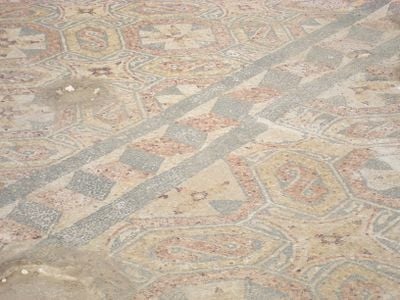
Villa romana de Saucedo is an archaeological site with the remains of a Roman residential complex that sat near ancient trade routes. The excavations show walls, floors, and rooms that reveal how people lived and organized their space over many centuries.
The site's first remains date to the 1st century AD, and its last building phases to the 6th century. The late-Roman villa, in use from the late 3rd to the early 6th century, was a simple monumental villa around a peristyle. It was destroyed by fire in the 8th century.
The name Saucedo probably comes from Salicetum, Latin for a place of willows. Finds from the site, such as a marble bust of a togaed man and an altar to the nymphs, are kept in Talavera la Nueva's Casa de la Cultura, the Museo Ruiz de Luna in Talavera de la Reina and the Museo de Santa Cruz in Toledo.
The site lies beside the Talavera la Nueva district of Talavera de la Reina. Visits require permission from the Consejería de Cultura de Castilla-La Mancha; finds are also shown at the Casa de la Cultura in Talavera la Nueva, the Museo Ruiz de Luna and the Museo de Santa Cruz in Toledo. The fenced estate has large gaps in its wire and the remains are overgrown and exposed to frost.
The excavations uncovered two different bathing facilities with a clever system for cold, warm, and hot water that Roman engineers built on site. This technical achievement shows the knowledge and skills of the people who lived here.
The community of curious travelers
AroundUs brings together thousands of curated places, local tips, and hidden gems, enriched daily by 93,700 contributors worldwide.