Basílica de la Virgen del Prado, Religious basilica in Talavera de la Reina, Spain
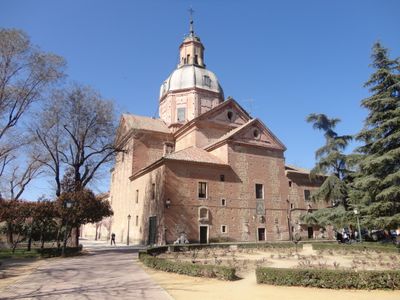
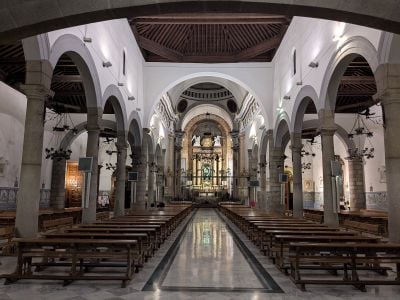
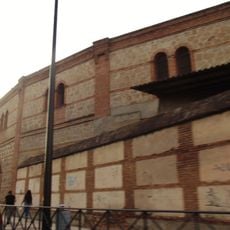
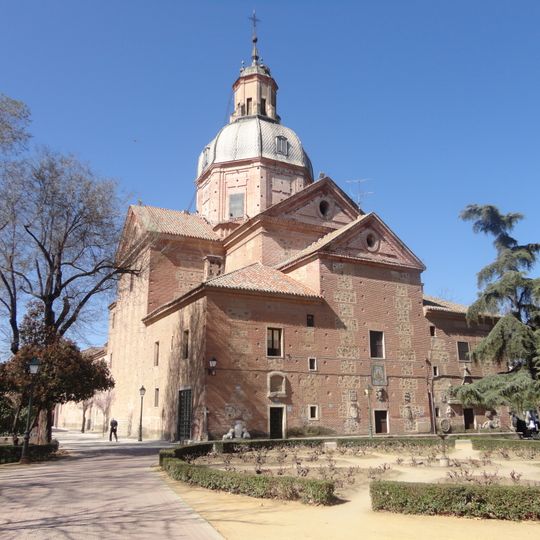
The Basílica de Nuestra Señora del Prado combines a 16th-century Renaissance body of three naves, separated by round arches on Tuscan columns, with a Baroque main chapel added in 1649 by Fray Lorenzo de San Nicolás. That chapel has a Latin cross plan and an octagonal drum carrying a large dome with a lantern. Outside, brick cornices and pediments rise above a portico of stone Tuscan columns, with a brick espadaña above.
The site was originally built as a Roman temple for agricultural deities and later transformed into a Christian place of worship during the Visigothic period. This conversion marked the transition from ancient to Christian use at the same location.
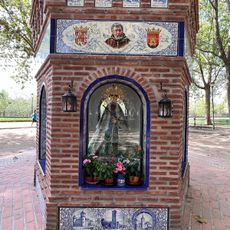
The interior walls display ceramic tiles from multiple centuries showing religious scenes and reflecting the region's craft traditions. Visitors can experience the artistic connection between faith and local pottery craftsmanship directly here.
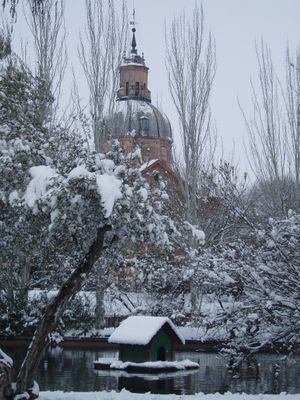
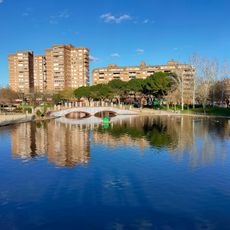
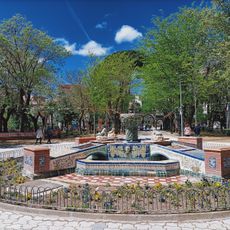
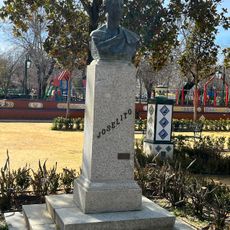
The basilica opens early in the morning and again in the late afternoon, with hours shifting between summer and winter. It stands in the Jardines del Prado, at the meeting point of the Avenidas de Extremadura, Salvador Allende and Castilla-La Mancha, and the gardens around it are protected along with the building.
The 17th-century tiles along the side naves show the genealogy of Christ on the Gospel side and scenes from the Virgin's life on the Epistle side; experts link some figures' stylised features to apprentices of El Greco. Panels from the 16th century came from the demolished church of San Antón, and a large ceramic altarpiece decorates the right side of the main chapel.
The community of curious travelers
AroundUs brings together thousands of curated places, local tips, and hidden gems, enriched daily by 94,778 contributors worldwide.