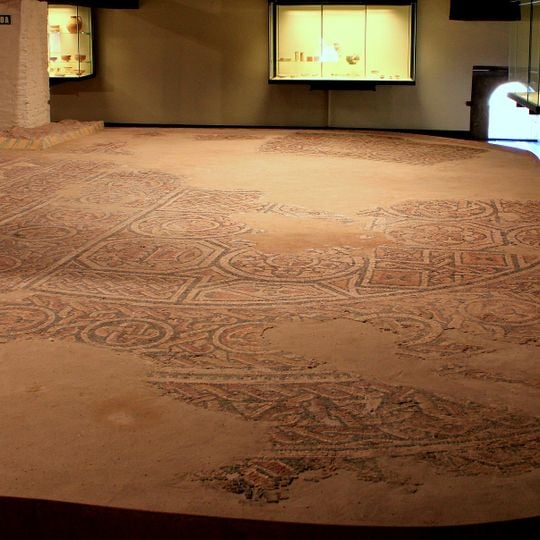
Roman villa of Camino de Albalate, Ancient Roman villa ruins in Calanda, Spain.
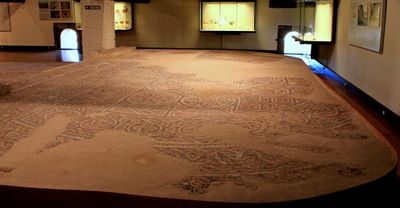
The Roman villa of Camino de Albalate is an archaeological site composed of three distinct rooms, including an entrance hall decorated with plant motifs and woven patterns on the floor. The interior features over a million ceramic tiles that form intricate mosaics depicting various animals and geometric designs throughout the living spaces.
Roman Calanda was established after the defeat of the Celtiberian tribes by Titus Didius, and this settlement later developed into a wealthy residence with elaborate decorations. The villa was discovered in 1964 and has since been studied through archaeological excavations.
The interior rooms showcase detailed mosaics featuring various animals in dynamic poses, reflecting the tastes and interests of this villa's wealthy residents. Such decorative choices reveal how Roman families of status displayed their sophistication and knowledge of distant lands.
Visitors can explore the excavation site where the remains are displayed, with many mosaics preserved on-site or in nearby museums. It is advisable to wear comfortable shoes and be prepared for uneven ground, as this is an active archaeological area.
The semicircular third room was likely a dining chamber and features geometric bands with diverse patterns created entirely from mosaics. This room layout and decorative approach were characteristic of wealthy Roman villas in this region.
The community of curious travelers
AroundUs brings together thousands of curated places, local tips, and hidden gems, enriched daily by 91,864 contributors worldwide.