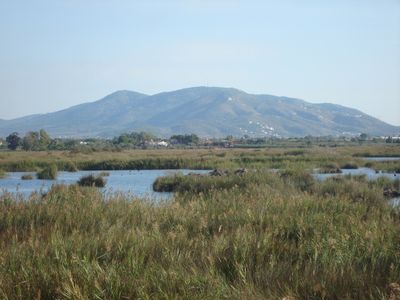
Prat de Cabanes-Torreblanca Natural Park, Protected wetland in Castellón, Spain
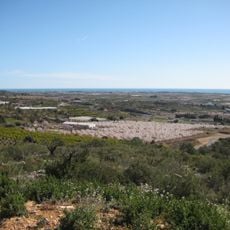
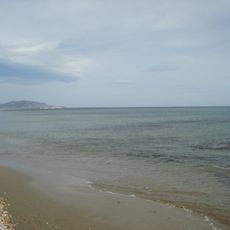
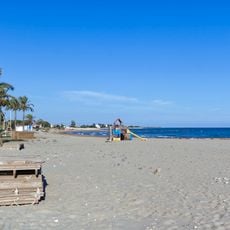
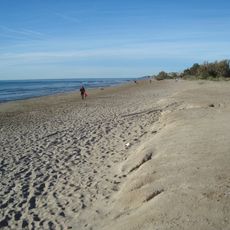
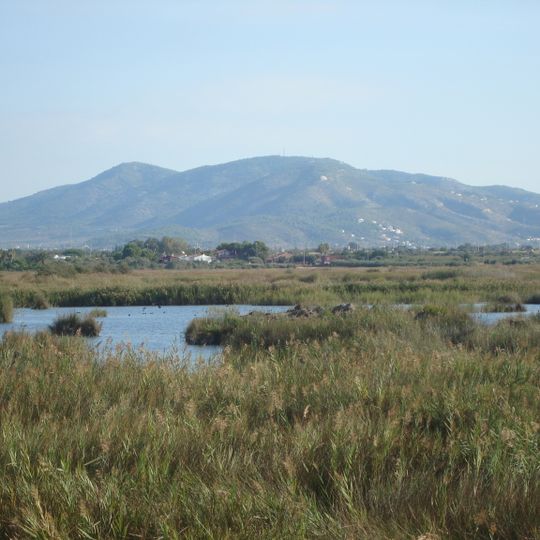
Prat de Cabanes-Torreblanca is a protected wetland on Spain's Mediterranean coast that features extensive salt marshes, reed beds, and shallow waters. The site spans several kilometers between two coastal towns and forms a mosaic of different habitats for water birds and fish species.
The area received official protection in 1994 to preserve the fragile coastal ecosystem that had faced threats from development for centuries. The regional government of the Valencian Community established the park to secure an important refuge for wildlife.
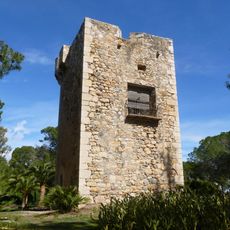
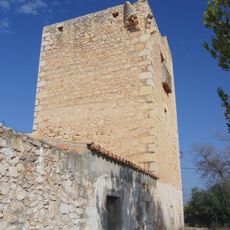
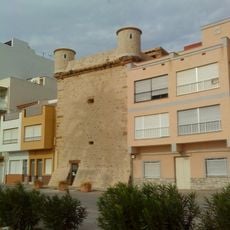
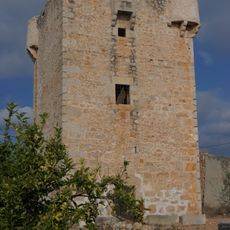
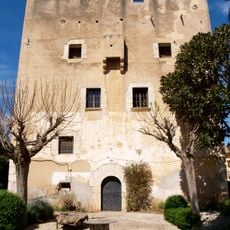
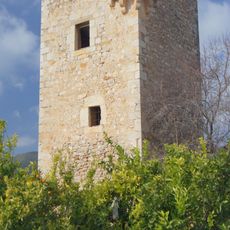
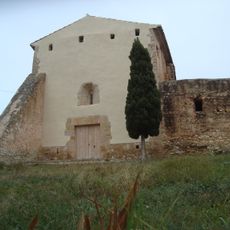
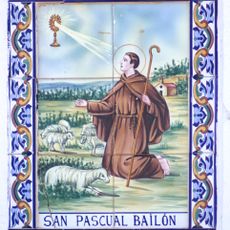
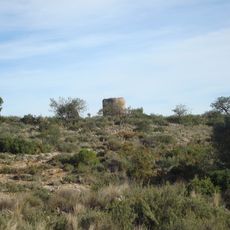
The park's name comes from the Valencian word prat, meaning meadow, and it was once called prat d'Albalat dels Ànecs. The séquia mare irrigation channel still crosses the area, and transhumant shepherds from Aragon and Castile ended their route here. The watchtowers of Torre de la Sal, Torrenostra and Capicorb stand as remains of the coastal defence network.
Viewpoints and walking paths circle the site, allowing visitors to observe wildlife up close from designated areas. The information center offers guidance on the best times to explore and where different species can be found.
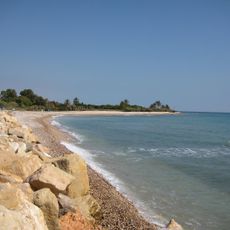
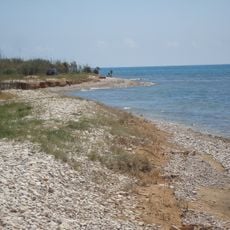
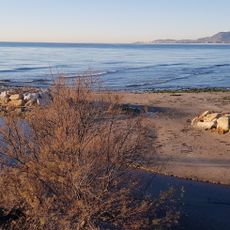
The barrier of pebbles and cobbles that separates the marsh from the sea is about 2,000 years old: it began as a Roman causeway that later sank, letting the sea into the wetland. Peat was extracted here from the mid-19th century, after engineer Josep Soriano surveyed the deposit; industrial mining from the late 1950s has altered more than 60 hectares of the marsh.
The community of curious travelers
AroundUs brings together thousands of curated places, local tips, and hidden gems, enriched daily by 94,980 contributors worldwide.