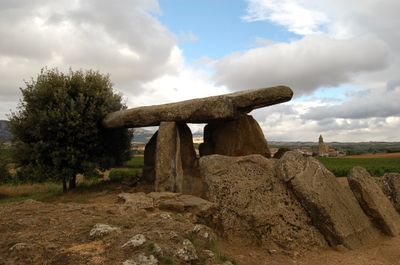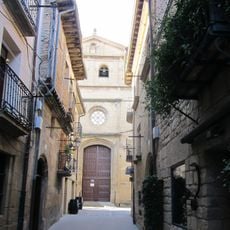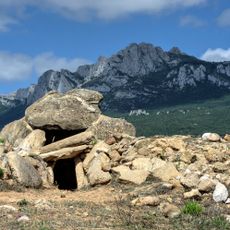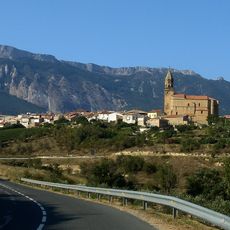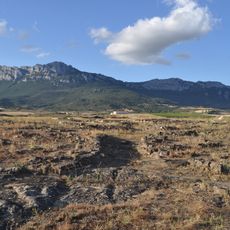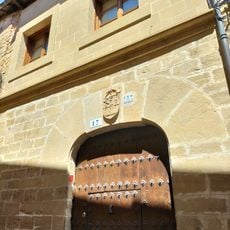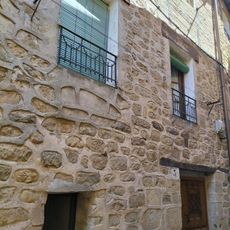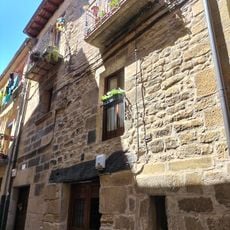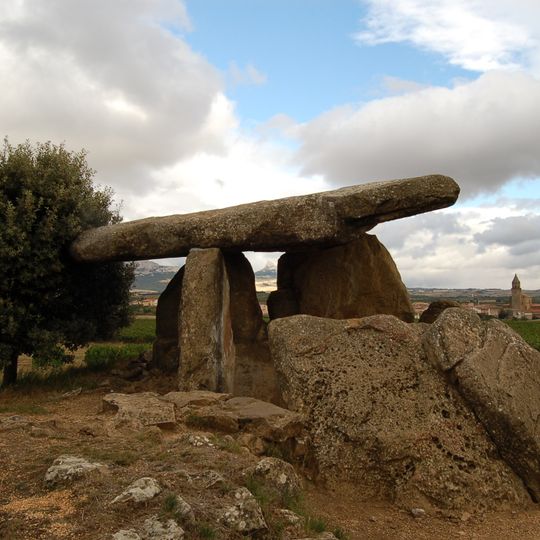
Sorginaren Txabola-Chabola de la Hechicera, Neolithic dolmen in Elvillar, Álava, Spain.
Sorginaren Txabola is a Neolithic megalithic tomb in Elvillar featuring a polygonal burial chamber made of nine large stones, with three vertical pillars supporting a horizontal capstone across the top. The construction demonstrates the engineering skill of prehistoric builders who worked without tools or written plans.
Archaeological excavations in 1936 led by Jose Miguel Barandiaran uncovered stone tools, pottery pieces, and human remains dated to 3000-2000 BCE. These discoveries confirm the structure served as a burial site for multiple individuals during that period.
The site bears two names - Sorginaren Txabola in Basque and Chabola de la Hechicera in Spanish, both meaning "witch's hut" - reflecting the bilingual character of the Basque region. Locals and visitors experience this dual naming as a natural expression of the area's cultural identity.
The site sits along a rural road in Elvillar and is somewhat remote, making advance research or local guidance helpful for a visit. Multiple archaeological sites nearby allow visitors to explore several prehistoric locations during the same outing.
The structure underwent careful restoration between 2010 and 2014 using traditional stone interweaving techniques without any external support structures. This project demonstrated that prehistoric construction methods were stable and long-lasting without modern reinforcement.
The community of curious travelers
AroundUs brings together thousands of curated places, local tips, and hidden gems, enriched daily by 92,520 contributors worldwide.