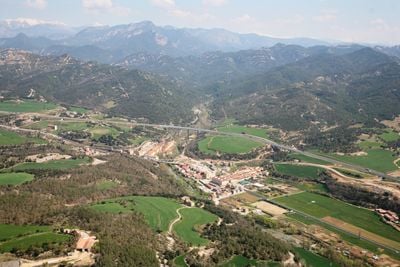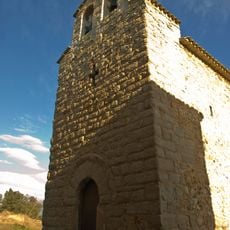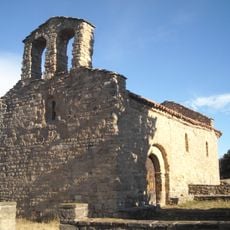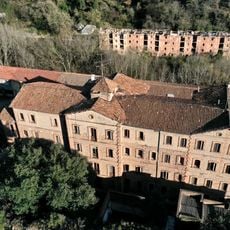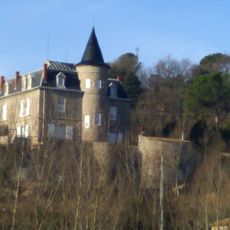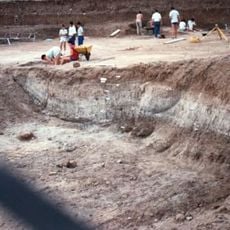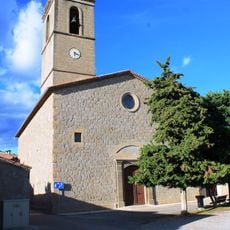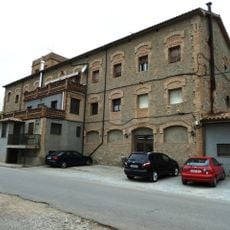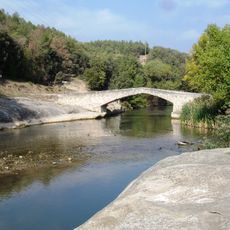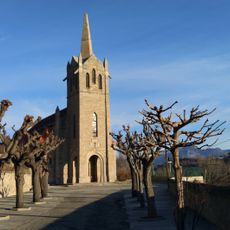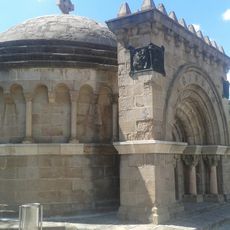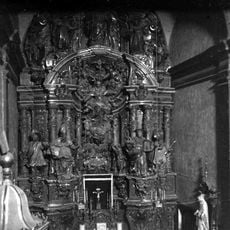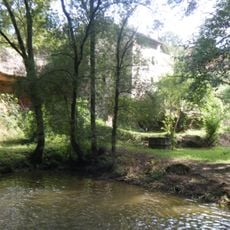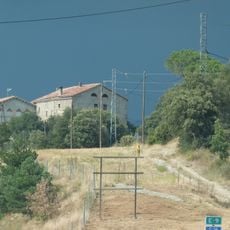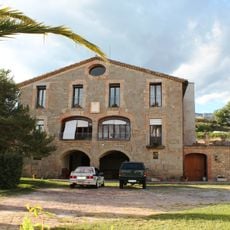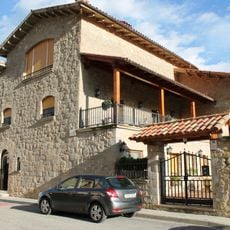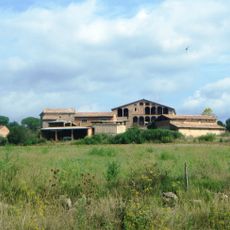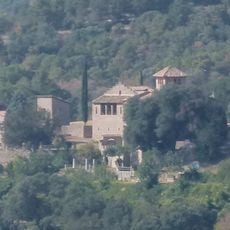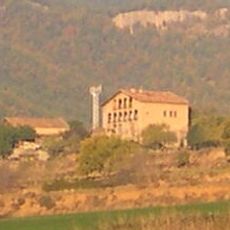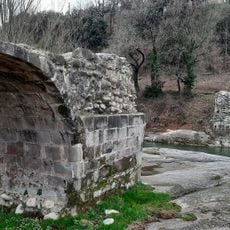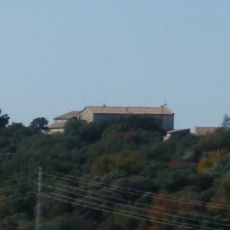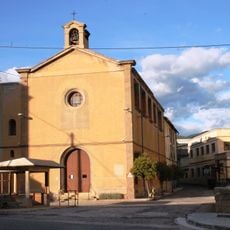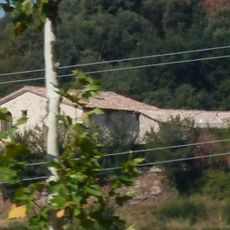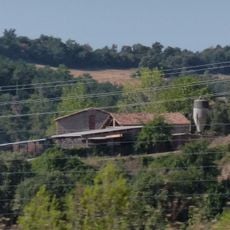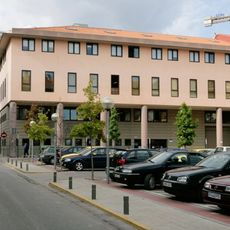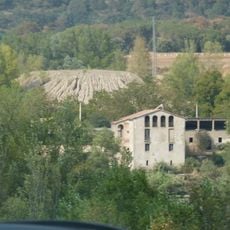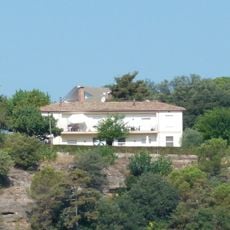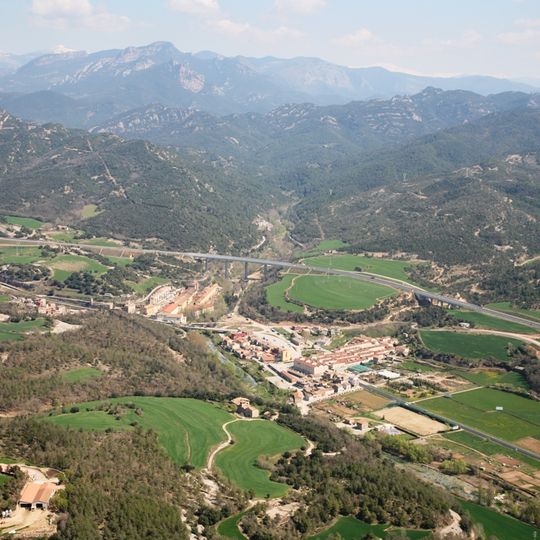
Cal Rosal, Industrial textile colony in Berga, Spain.
Cal Rosal is a textile factory spanning three municipalities - Avià, Berga, and Olvan - along the Llobregat River's right bank at about 485 meters elevation. The facility produced cotton yarns, fabrics, printed sheets, and synthetic fiber blends for the textile market.
Production roots trace back to 1769 before the operation moved to Mataró and eventually returned to its current location. Lluís Rosal i Cortina formally established the colony in 1858, developing it into a major manufacturing center.
The settlement formed a closed community where workers lived near the factory with access to shops, a place of worship, and other facilities built specifically for residents. This layout shows how textile colonies were designed to keep everything the workers needed in one place.
The site is accessible through Berga and sits along the Llobregat River, making orientation straightforward. Visitors should note that parts of the complex may still be in use or access to certain areas may vary, so checking in advance is advisable.
The Konvent, a former religious building within the colony, now operates as a contemporary art center, maintaining the site's ties to local heritage. This transformation shows how former factory communities can take on new cultural roles.
The community of curious travelers
AroundUs brings together thousands of curated places, local tips, and hidden gems, enriched daily by 91,647 contributors worldwide.