Lezetxiki, Archaeological cave in Arrasate/Mondragón, Spain
Lezetxiki is a cave system with several chambers that contain layer upon layer of deposits from different prehistoric times. Each level reveals artifacts and bones left behind as different groups occupied this shelter across many millennia.
Excavations from 1956 to 1968 uncovered remains of both Homo Heidelbergensis and Neanderthals at this site. This evidence shows that people were using this cave shelter across more than one hundred thousand years of prehistory.
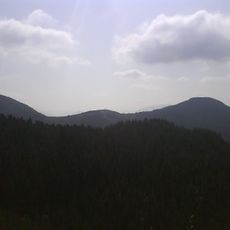
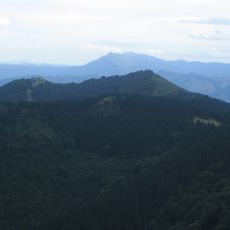
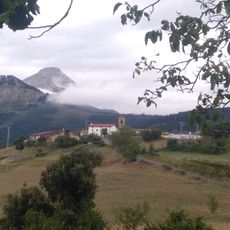
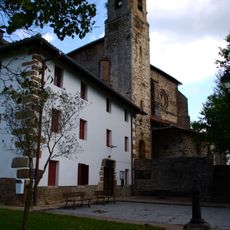
The cave's name, Lezetxiki, comes from the Basque words for ash (leze) and the place, and the site lies in the Garagarza neighbourhood of Arrasate/Mondragón, on the eastern flank of Mount Bostate. Visitors can see the limestone of the Urgonian substrate in which the karst network formed, and the nearby Lezetxiki Harpea rock shelter, about 15 metres from the cave's southern end. The site was declared a cultural asset by the Basque Government on 13 July 2022.
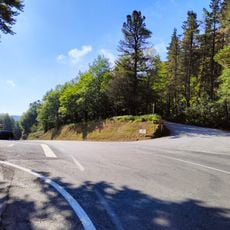
The site lies in the Garagarza district of Arrasate/Mondragón, on the eastern flank of Mount Bostate near the Kobate stream valley. Excavations have been paused since 2018 while excavated material is analysed in the laboratory, so access to the deposit is not a standard visitor route. The cave and digs are reached on foot along the hillside.
The humerus found in 1964 by Barandiarán and Altuna was dated in 2014 to at least 164,000 years, making it the oldest human bone in the Basque Country. The site also yielded a jaw fragment of Homo sapiens, so Lezetxiki is the only deposit that has produced remains of Homo heidelbergensis, Neanderthals and modern humans.
The community of curious travelers
AroundUs brings together thousands of curated places, local tips, and hidden gems, enriched daily by 93,934 contributors worldwide.