Astigi, Ancient city in Andalusia
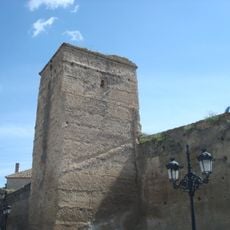
Astigi was a Roman colony founded around 14 BCE on flat land south of the Genil River, designed with a strict grid layout of crossing main streets. The city contained a large central forum covering nearly 20,000 square meters, temples, government buildings, a gymnasium, public baths, walls with gates, and residential quarters arranged in organized blocks.
A Tartessian settlement first occupied Cerro del Picadero hill, later becoming a Turdetan village before Roman arrival around 200 BCE. The Romans established Colonia Augusta Firma Astigi on flat land around 14 BCE, transforming it into the region's administrative center and major hub for exporting olive oil to Rome through the nearby port of Hispalis.
The name Astigi comes from pre-Roman times and refers to the original settlement on Cerro del Picadero hill. The Romans rebuilt the city on flat land with a strict grid layout centered on a large forum that served as the heart of daily life and civic activity.
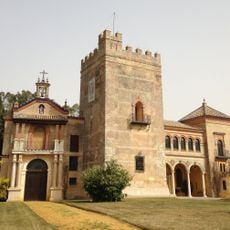
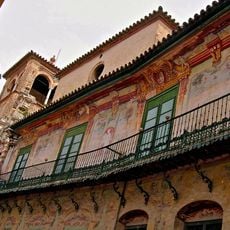
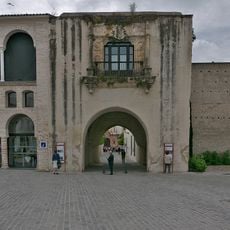
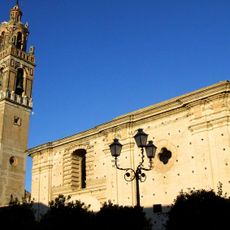
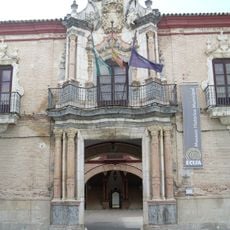
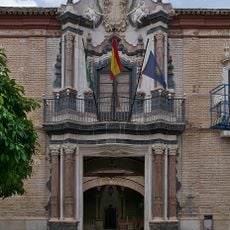
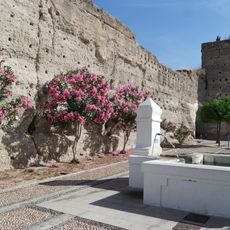
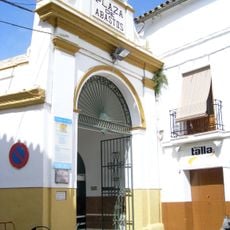
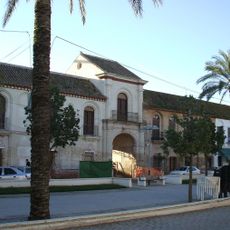
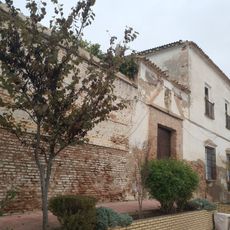
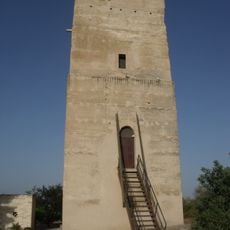
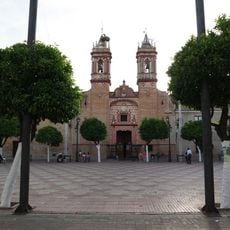
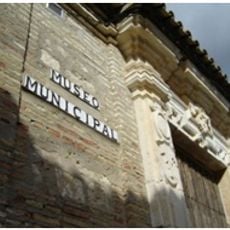
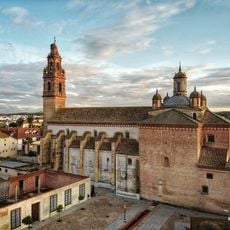
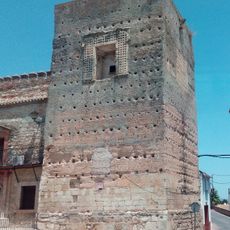
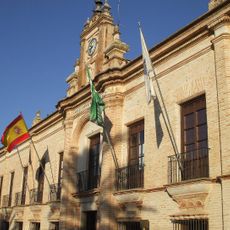
The archaeological site is located in modern Écija, with major finds displayed at the Museo Historico Municipal in Benameji Palace and the archaeological park at Plaza de Armas. Visitors should note that visible remains like walls, columns and mosaics are scattered across the site, while many artifacts have been moved to museums for protection and better viewing.
One of the most remarkable discoveries is the Amazona Herida, a nearly two-meter marble statue from the second century depicting a wounded female warrior that unusually still retains traces of its original paint. The statue was deliberately placed beneath the forum level as a form of intentional protection and preservation for future generations.
The community of curious travelers
AroundUs brings together thousands of curated places, local tips, and hidden gems, enriched daily by 91,973 contributors worldwide.