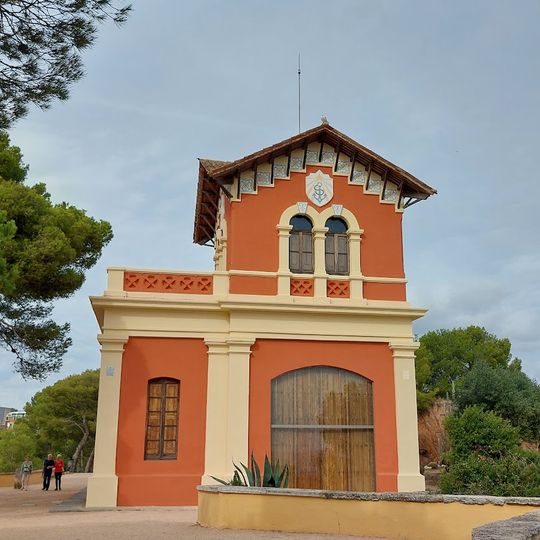
The Maritime Rescue Museum, Maritime rescue museum in Sant Feliu de Guíxols, Spain.
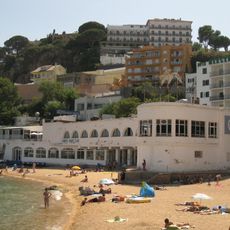
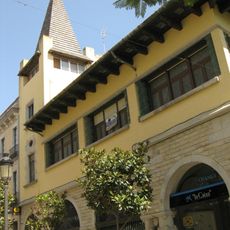
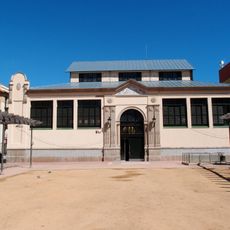
The Maritime Rescue Museum occupies the 1890 brick rescue station on the Punta dels Guíxols, 13 m above sea level between the ports of L'Abric and Calasanç. Its ground floor is split into two naves, 6 by 14 m and 4 by 14 m, with a small tower on the eastern corner topped by a weather vane. Attached columns line the ground-floor facade, and inside are the Miquel de Boera lifeboat with its launching carriage, the Dawson cable launcher and a room of beds for shipwrecked sailors.
The rescue station was established in 1890 and housed the Miquel de Boera lifeboat and shelters for shipwrecked sailors before the Spanish Navy assumed control in 1940. This transition marked the shift from community-based rescue work to government-managed maritime operations.
The building's name comes from the spur called Els Guíxols, also known as Fortim or Salvament, where a legend says Saint Felix the African was thrown into the sea in the 7th century. Inside, a meeting room, secretary's office and archive with the board's documentation recall the volunteer rescue board founded in the late 19th century.
The station stands 13 m above sea level on the Punta dels Guíxols spur, which splits the bay into the ports of L'Abric and Calasanç. The ground floor is divided into two naves, 6 x 14 m and 4 x 14 m, with a smaller tower over the eastern corner. Its height above the water is why the station was abandoned for launches.
The building preserves an original meeting room and secretary office with complete documentation from the early volunteer rescue operations. These spaces offer a rare glimpse into how the daily administration and organization of local sea rescue actually functioned.
The community of curious travelers
AroundUs brings together thousands of curated places, local tips, and hidden gems, enriched daily by 93,509 contributors worldwide.